
Colostrum, often known as the first milk, is produced by mammals immediately after giving birth. It is a concentrated source of nutrients and bioactive components that support early growth and development in newborns. For adults, this natural substance has become a point of growing interest in the field of dietary supplements, particularly bovine colostrum derived from cows.
Bovine colostrum contains proteins, amino acids, vitamins, minerals, and other bioactive components that differ in profile and concentration from those in standard dairy products. Its unique composition makes it a valued supplement among people seeking balanced nutrition, support for exercise recovery, and general well-being.
Metabolism refers to the series of processes by which the body converts nutrients into energy and structural materials. It is fundamental to maintaining a balanced body, and nutrition plays a central role in how efficiently these processes function.
Bovine colostrum supplementation has been investigated in human and animal studies for its nutrient content, including amino acids and naturally occurring proteins. These may contribute to protein turnover and post-exercise recovery when consumed as part of an overall diet. The presence of bioactive components in colostrum may influence normal macronutrient utilisation; evidence remains emerging and mixed.
Colostrum is rich in nutrients responsible for a range of beneficial physiological responses. It contains immunoglobulins, lactoferrin, vitamins, and minerals, along with peptides that contribute to its nutritional value. These components are associated with immune support and cellular maintenance in experimental and clinical contexts; their effects in healthy adults can vary.
The amino acids present in colostrum are building blocks of protein, vital for the growth and repair of body tissues. In adults, these amino acids may help maintain lean muscle mass when combined with regular exercise and a balanced diet.
Bovine colostrum is particularly notable for its high protein content and naturally occurring growth factors. These nutrients contribute to normal tissue maintenance and may support muscle function. Some studies in humans and animals report improvements in selected markers of protein metabolism or performance, while others show no clear effect; results may depend on dose, training status, and study design.
This nutritional support may be especially relevant for adults engaging in frequent physical activity, as exercise increases the body’s demand for recovery nutrients. When integrated responsibly into a diet, colostrum can serve as a rich source of these essential proteins.
The connection between colostrum and metabolism lies largely in its nutrient composition. Amino acids, vitamins, and minerals in colostrum are involved in metabolic pathways related to energy production. Balanced energy metabolism helps sustain daily performance, recovery, and overall vitality.
A well-functioning metabolic system is consistent with dietary patterns that support normal glucose and lipid metabolism. This balance is essential for reducing the effects of metabolic stress that may occur through modern lifestyles, such as irregular eating patterns or insufficient nutrient intake.
Colostrum’s immune-related components (e.g., immunoglobulins, lactoferrin) have been studied for their potential to support normal immune function. These naturally occurring substances may help support the body’s normal defence systems, keeping the immune system ready to respond to daily environmental challenges.
A balanced immune system works hand-in-hand with metabolism, as energy balance and nutrient distribution rely on the body’s ability to adapt to internal and external stressors. Regular physical activity and a balanced diet, combined with appropriate supplementation, can help sustain this equilibrium.
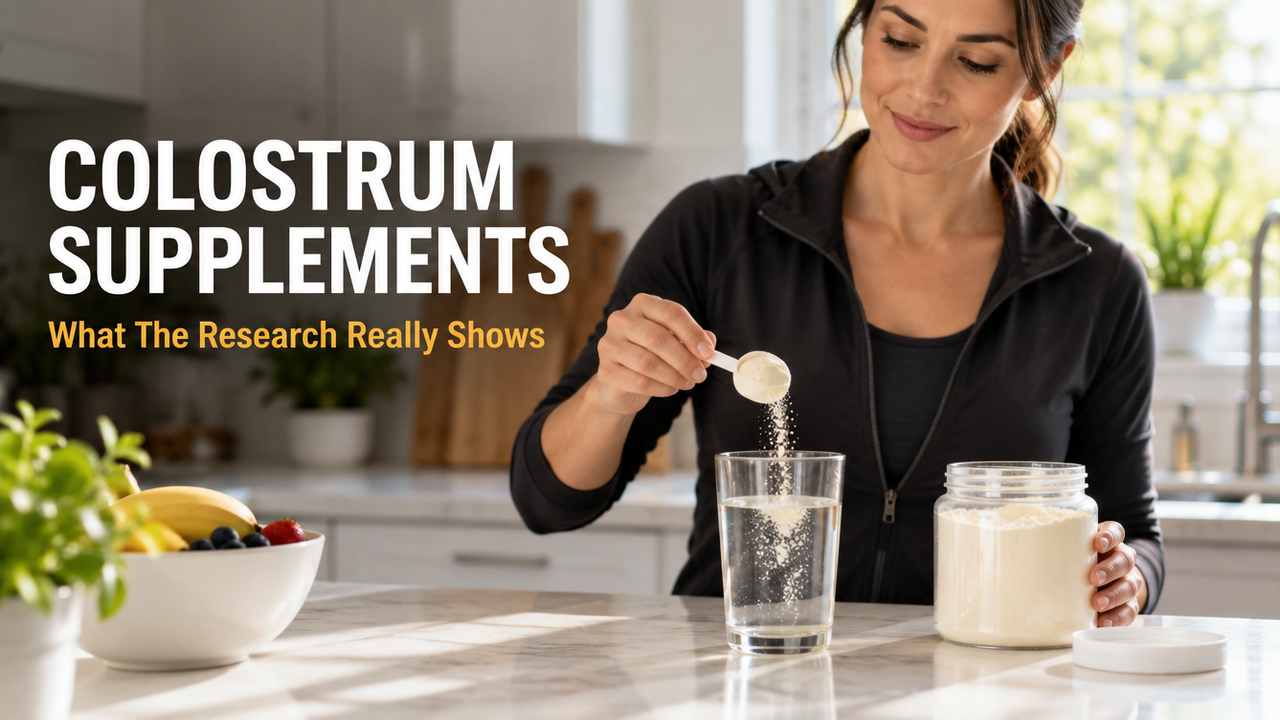
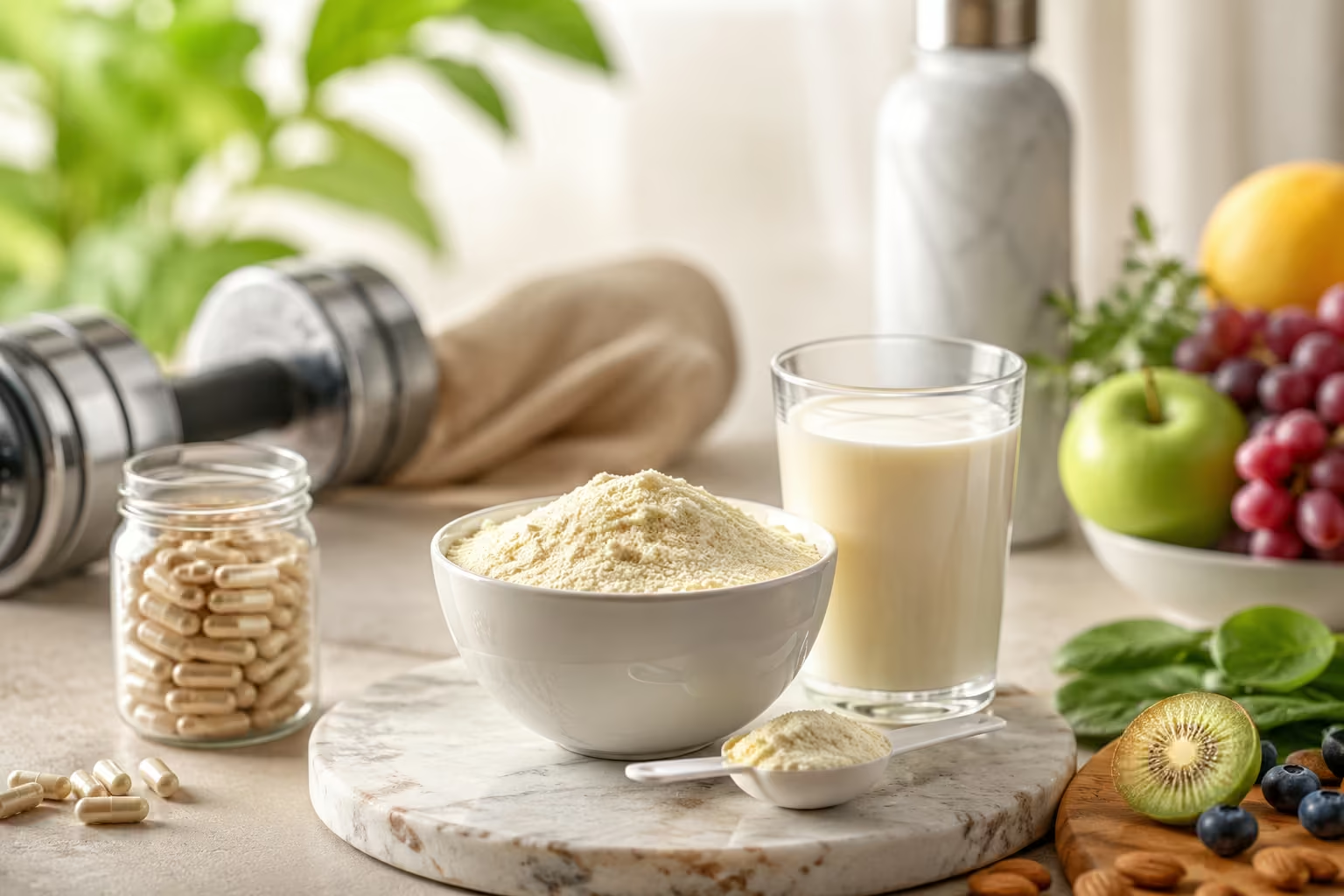
As a dietary supplement, colostrum is available in powder, capsule, or liquid form. It is considered a food-based supplement. Formulations vary by brand; check labels for ingredients. Its popularity continues to grow among individuals seeking natural alternatives to support nutrition and recovery.
It is important to remember that supplements should complement a balanced diet rather than replace it. The body’s nutritional needs are best met through a variety of foods, including fruits, vegetables, proteins, and whole grains, with supplements filling specific gaps when necessary.
Studies focusing on physically active participants have observed promising results when bovine colostrum was included in a structured diet and training plan. Some trials report improvements in certain performance or recovery measures versus placebo, while others show no significant difference.
These findings highlight the nutritional support that colostrum can offer to athletes and active adults. It provides the body with proteins and amino acids essential for repairing exercise-induced micro-damage, which may support performance and perceived recovery in some individuals.
Oxidative damage occurs when the body’s natural defences are overwhelmed by free radicals, often associated with physical exertion, stress, and environmental exposure. The antioxidants present in colostrum—alongside its vitamins and peptides—may help support the body’s ability to neutralise these reactive molecules.
While ageing is a natural process, nutritional support through antioxidant-rich foods and supplements may assist in maintaining energy levels and overall wellbeing. Colostrum’s unique composition makes it a relevant addition to an age-conscious nutrition plan.

For individuals sensitive to dairy, lactose intolerance can be a concern. Colostrum typically contains less lactose than standard milk, but tolerance varies. Individuals with dairy allergy should avoid colostrum; those with lactose intolerance should seek professional advice. Those with known intolerance should seek professional guidance before introducing colostrum supplements to their diet.
Manufacturers often provide detailed labelling to help consumers make informed decisions based on their dietary needs and preferences.
Several randomized studies have been carried out to understand how colostrum interacts with human metabolism. Findings suggest potential effects on nutrient handling and energy utilisation. Researchers have also observed positive changes in exercise recovery, immune resilience, and general metabolic stability in adult participants. Further research is needed on dose, purity, and duration.
Although outcomes are promising, ongoing research continues to explore the mechanisms responsible for these effects and to ensure consistency in dosage, purity, and long-term benefits.
Nutrition science places strong emphasis on distinguishing between nutrition content claims and health claims. Content claims describe the level of a nutrient present in a food—such as stating that a product is “high in protein” or “a source of vitamin B12”. Health claims, on the other hand, relate to the function of that nutrient within the body.
In AU/NZ, frameworks such as FSANZ and the NPSC apply to claims; requirements vary by jurisdiction. These frameworks ensure that consumers are provided with accurate, evidence-based information rather than misleading promises.
Colostrum should be discussed as a nutritional supplement rather than a therapeutic treatment. In compliance with AU/NZ food-labelling laws, it is prohibited to claim that colostrum cures or prevents any disease. Instead, it can be described as supporting normal body functions such as metabolism, recovery, and immune maintenance.
This distinction protects consumers from exaggerated marketing claims and ensures that any information provided about dietary supplements remains grounded in verified nutritional science.
To maintain consumer confidence, endorsements regarding dietary products must remain independent and free from commercial influence. Consumers should always have access to transparent information about ingredient sourcing, testing methods, and quality assurance.
Independent review and verification contribute to public trust, ensuring that products like bovine colostrum supplements meet the required safety and quality standards before being made available to the public.
Recent regulatory transitions, such as those relating to “added sugars” claims, illustrate how food-labelling rules continue to evolve to reflect new research and public-health objectives. The same applies to dietary supplements like colostrum, where clear labelling allows consumers to understand nutrient content, intended use, and recommended dosage.
These rules help maintain consistency across markets, preventing confusion and promoting informed consumer choices.
Colostrum supplements should be viewed as part of a holistic approach to wellbeing. A balanced diet rich in whole foods remains the cornerstone of good health, while supplements may provide targeted nutritional support. Physical activity, sufficient hydration, and adequate rest also play vital roles in sustaining metabolic balance.
Consumers are encouraged to seek advice from qualified health professionals before starting any new supplement, particularly if they have pre-existing dietary restrictions or health conditions.
It may help support normal metabolic processes by providing protein and amino acids. These nutrients may contribute to efficient energy production and tissue maintenance, which are essential for a balanced body. Evidence in healthy adults is mixed, and overall diet and activity remain the primary drivers.
Daily intake may support consistent nutrient supply that some people find supports recovery and general wellbeing. As with any supplement, individual responses vary, and it is important to follow product guidelines for serving size and frequency.
Colostrum offers nutritional support through proteins, vitamins, and bioactive compounds that help maintain normal immune and metabolic functions. It may also aid energy balance and recovery, especially for those with active lifestyles.
Colostrum itself does not directly cause weight gain. Its effect depends on overall diet, calorie intake, and physical activity levels. As a protein-rich supplement, it may support lean muscle development when used alongside exercise.
Studies focused on protein metabolism and strength performance have reported improvements in selected outcomes (e.g., strength, recovery markers) among those supplementing with bovine colostrum compared to placebo groups. This reinforces its role as a nutrient-dense source of protein for physically active adults.
Colostrum represents a remarkable example of how nature’s first nutrition continues to hold value throughout life. Its blend of amino acids, proteins, and bioactive components may contribute to normal metabolic processes, support immune function, and support overall wellbeing when used as part of a balanced lifestyle.
Used responsibly and within the framework of regulated food standards, bovine colostrum supplements can form part of a health-conscious lifestyle. They can provide additional nutrients relevant to energy production and recovery, while avoiding therapeutic claims.
Through research, responsible marketing, and clear labelling, consumers can enjoy access to safe, high-quality supplements that support their personal wellness goals.
This article is intended for informational purposes only and should not be interpreted as medical or therapeutic advice. Individuals considering dietary supplements should consult a qualified health professional before making any changes to their nutrition or lifestyle.

Join The Hub community. Subscribe today and receive a monthly email with our newest blogs and articles on health, wellness, and nutrition to keep you informed and inspired.
By signing up you agree to our User Agreement and Privacy Policy & Cookie Statement


Newsletter
By signing up you agree to our User Agreement and Privacy Policy & Cookie Statement
By accessing, browsing, or using this website (the “www.newimage.world/thehub”), you acknowledge and agree to the terms of this Disclaimer. The Website, including its blogs, podcasts, videos, and any other content (collectively, the “Content”), is operated by New Image™ International (“the Company,” “we,” “our,” or “us”).
All Content made available on this Website is provided strictly for general informational and educational purposes only. The Content does not constitute, and should not be relied upon as, medical advice, diagnosis, treatment, prescription, or professional health consultation of any kind.
The Company makes no representations or warranties regarding the accuracy, completeness, reliability, or timeliness of the Content. The Content may include information collected from external or third-party sources, and we do not independently verify such information. Accordingly, no nutritional, health, or wellness claims are endorsed, warranted, or guaranteed by the Company.
To the fullest extent permitted by applicable law:
Your use of the Website does not establish any doctor–patient, nutritionist–client, or other professional relationship between you and the Company or any of its representatives.
The Website may include references, links, or access to third-party websites, podcasts, or resources. The Company does not control, endorse, or assume any responsibility for such third-party content and shall not be held liable for any damages arising from your use of or reliance on it.
By clicking “Accept” on the Website’s pop-up disclaimer, you expressly acknowledge that you have read, understood, and agreed to be bound by this Disclaimer. Your continued use of the Website constitutes ongoing acceptance of these terms. If you no longer agree with this Disclaimer, you must immediately discontinue use of the Website.
Join The Hub community. Subscribe today and receive a monthly email with our newest blogs and articles on health, wellness, and nutrition to keep you informed and inspired.
By signing up you agree to our User Agreement and Privacy Policy & Cookie Statement















.webp)
.webp)