
In recent years, colostrum has moved from a niche nutrition topic into broader modern wellness discussions. Once known mainly in early life nutrition, it is now being explored across skincare, nutrition, and lifestyle products for people of different ages and routines. From powders added to smoothies to capsules included in daily supplements, interest in colostrum lifestyle products reflects a wider shift towards functional foods and nutrition-focused routines.
This article explores how colostrum is being used today, why its popularity is growing, and what current research suggests about its role in everyday wellness. The focus remains educational and informative, helping readers understand how colostrum fits into modern lifestyles without overstating outcomes or making therapeutic claims.
Understanding Colostrum and Its Origins
Colostrum is often described as the first milk produced by mammals in the early stages after birth. It appears for a short period following calving and is naturally rich in nutrients designed to nourish newborn calves during the earliest phase of life. This substance contains proteins, amino acids, vitamins, minerals, enzymes, and naturally occurring immunoglobulin components such as IgG and IgA.
In human nutrition discussions, colostrum is commonly sourced as bovine colostrum, collected from cows after calving, with responsible producers prioritizing calf feeding requirements. It is then processed into various forms such as colostrum powder or capsules for supplementary use by adults and children.
Why Colostrum Is Gaining Attention in Modern Wellness
The growing popularity of colostrum reflects broader lifestyle trends. Many people are now seeking food and supplements that support general wellbeing (including energy and day-to-day resilience) rather than focusing on single outcomes. Colostrum fits naturally into this shift because of its complex nutritional profile.
Current research suggests that colostrum contains growth factors, amino acids, minerals like calcium and zinc, and a wide range of nutrients that contribute to overall nutrient intake and normal physiological function. These elements are being studied for potential effects on aspects of gut function, immune-related outcomes, and recovery—often in specific contexts such as intensive training. Results vary across studies.
Colostrum in Nutrition and Lifestyle Products
Colostrum Powders and Capsules
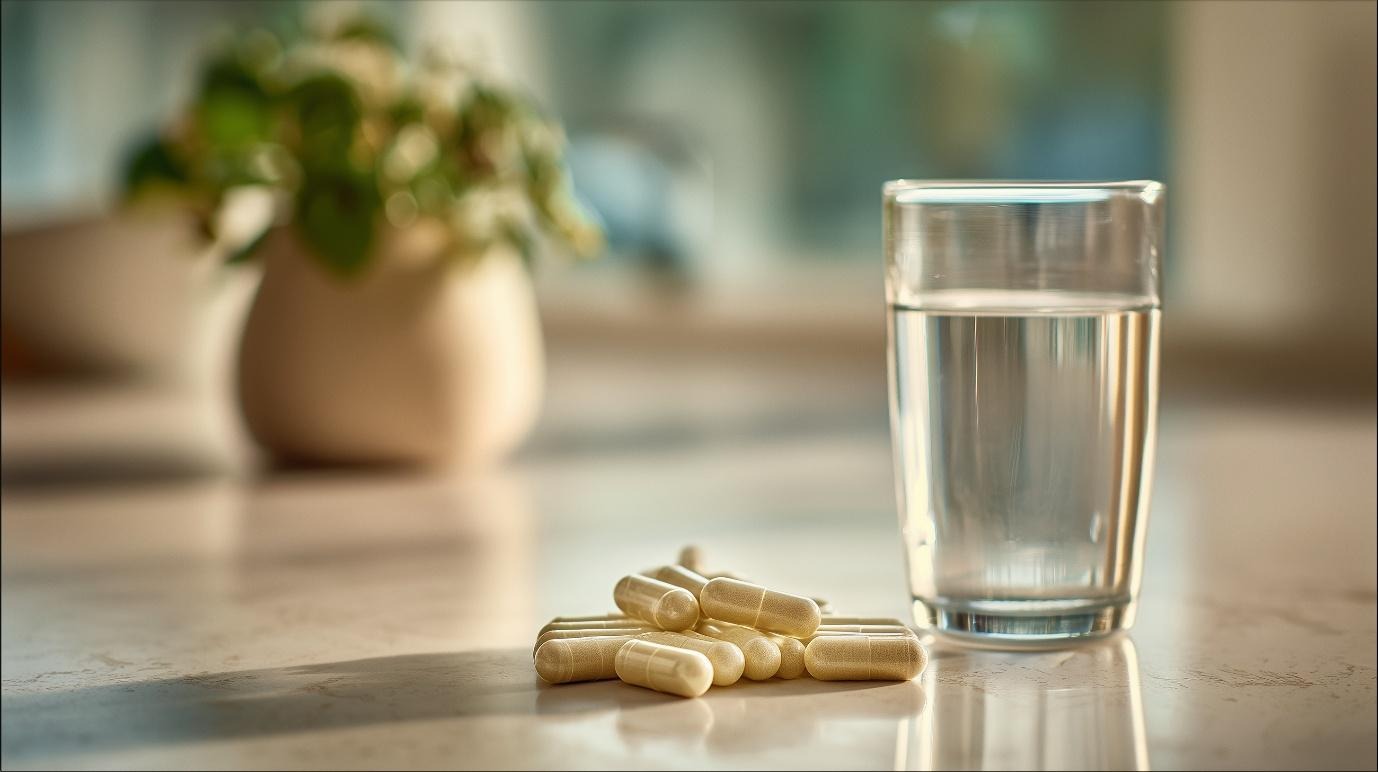
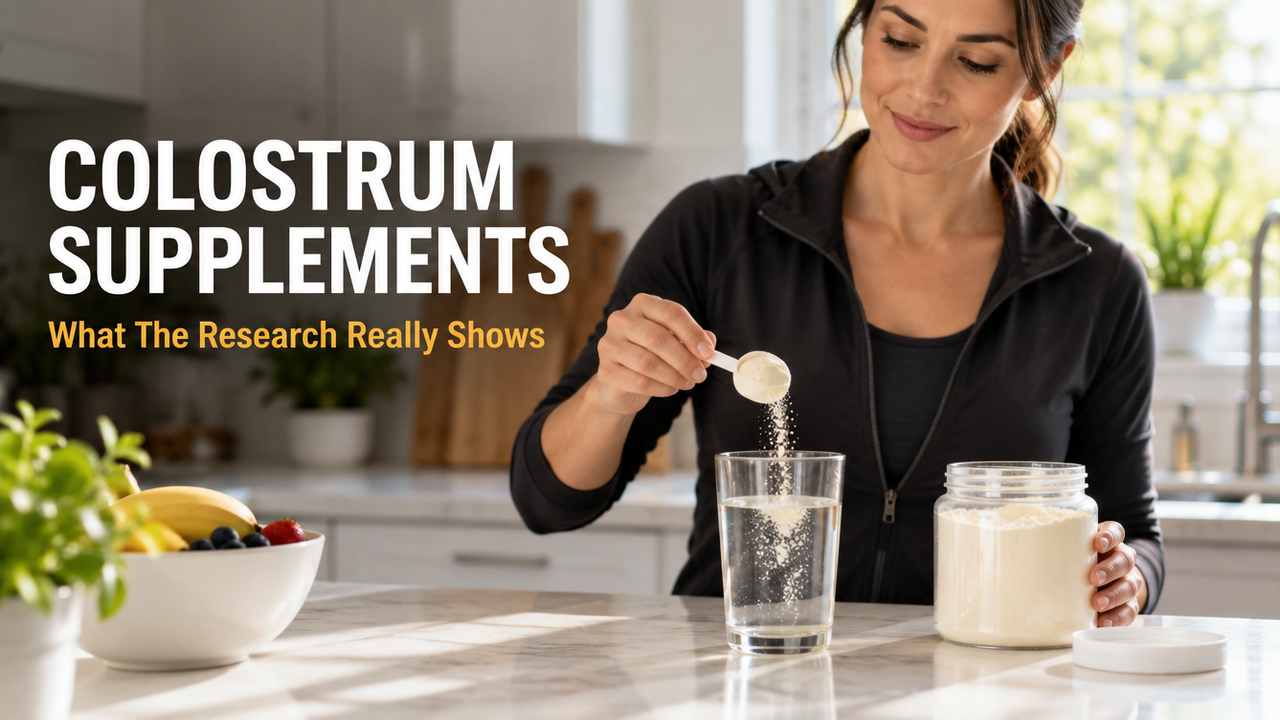
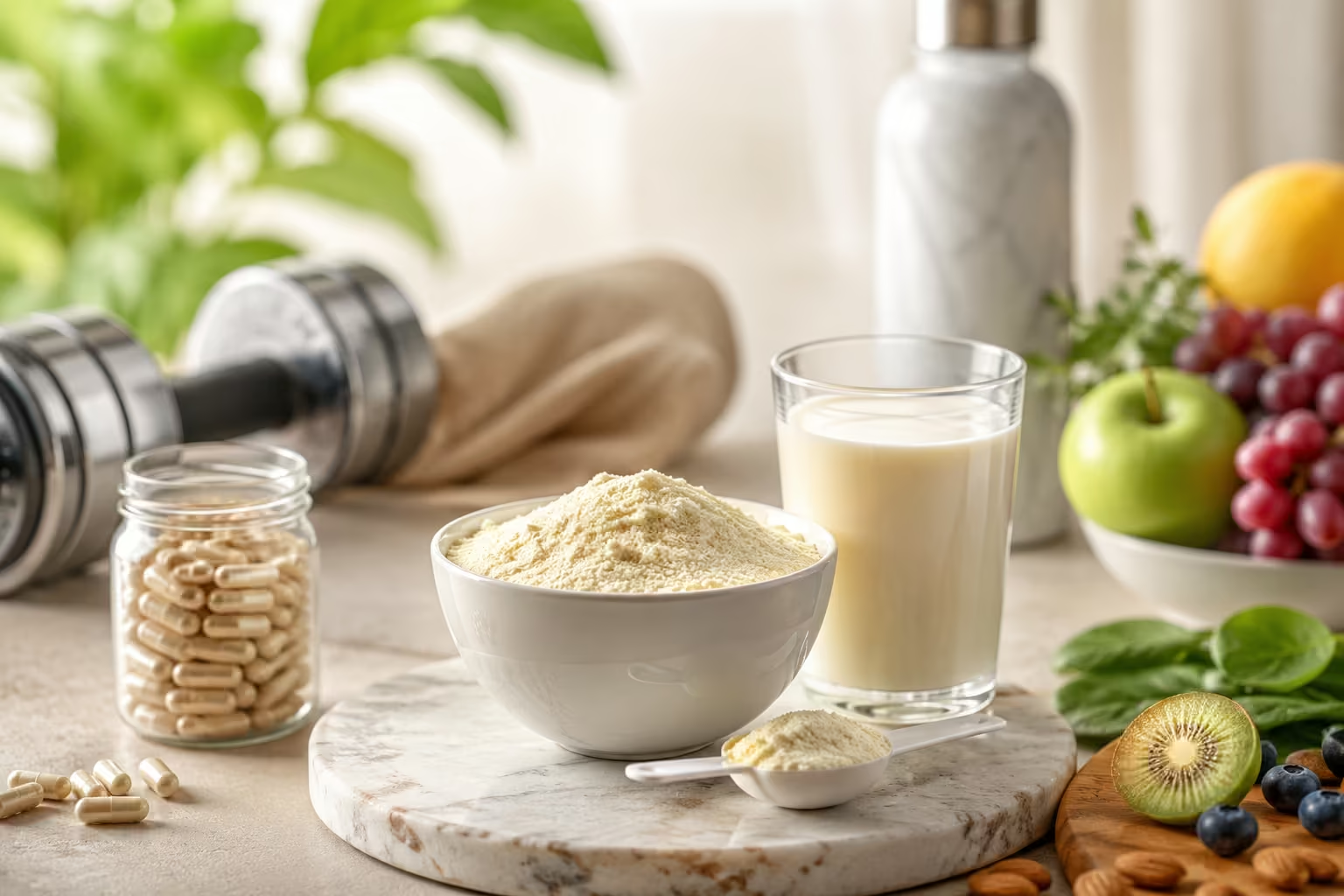
One of the most common formats is colostrum powder. This form is easy to mix into food and drinks such as smoothies, yoghurt, or even milk-based beverages. Flavoured options, including strawberry, are increasingly available to suit modern tastes.
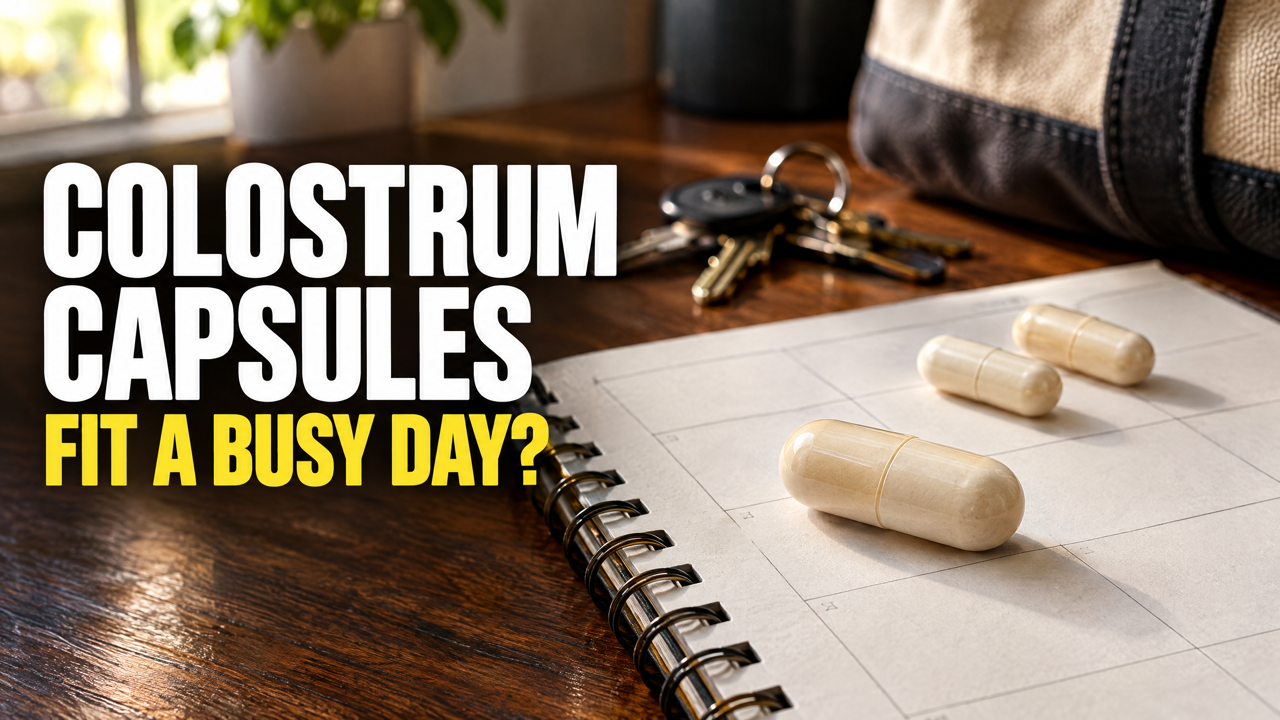
Capsules offer a convenient alternative for those who prefer a measured intake. These colostrum supplements are often positioned as part of a daily routine, alongside other vitamins and minerals.
Integration into Daily Diets
Colostrum is not a replacement for food. Instead, it is usually positioned as a supplementary addition to a varied and balanced diet. When mixed with everyday foods, it becomes part of a broader nutrition approach rather than a standalone solution.
The Role of Colostrum in Immune and Digestive Support
Interest in colostrum often centres around immune health and gut health. Colostrum naturally contains immunoglobulin compounds and enzymes that play a role in immune system development in mammals. In lifestyle products, these components are being studied for how they may support normal immune system function as part of an overall healthy lifestyle.
From a digestive perspective, colostrum includes proteins and factors that are being studied for their interaction with the gut environment. For people focused on digestive comfort and overall gut function, this is one reason colostrum has gained attention in wellness discussions.
It is worth noting that individuals who are lactose intolerant should always read the label carefully, as colostrum can contain lactose, and the amount varies by product and processing, so label-checking is important.
Colostrum and Physical Performance Trends
Another area where colostrum lifestyle products are appearing is in fitness and active living. People interested in athletic performance, muscle recovery and training support often look for nutrition that complements training and movement.
Colostrum contains protein and amino acids, which are essential nutrients for muscle maintenance and recovery. Some studies have explored whether it may support recovery markers in physically active adults when combined with a balanced diet and adequate energy intake, though findings are mixed and may depend on training load and dosage. This has contributed to its inclusion in products marketed towards active adults and those with physically demanding routines.
Emerging Use of Colostrum in Skincare
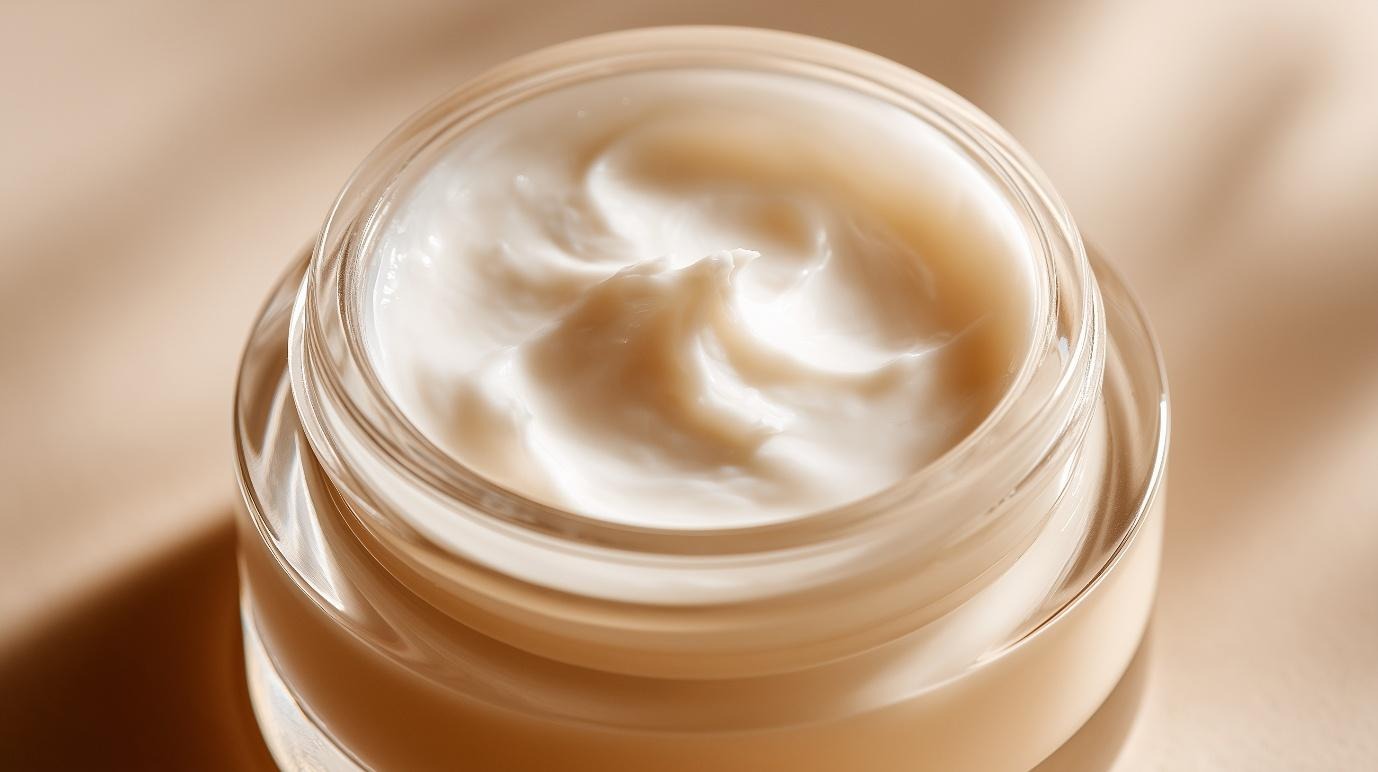
Beyond nutrition, colostrum is also being explored in skincare formulations. Its composition has drawn interest in cosmetic and lifestyle beauty products, where it is used as an ingredient in topical formulations.
In skincare, colostrum-derived ingredients are often discussed in relation to nourishment and support for the skin’s natural processes. Rather than making claims about treating conditions, these products tend to focus on hydration, vitality, and helping support the skin’s moisture barrier as part of daily care.
This crossover into beauty highlights how colostrum is no longer limited to food but is becoming part of a wider lifestyle conversation.
Grass Fed Colostrum and Quality Considerations
Quality is an important topic in discussions around colostrum. Many products highlight grass-fed sourcing, reflecting consumer interest in farming practices and traceability.
When choosing colostrum products, people often look at:
Reading reviews and understanding how a product is directed for use can help consumers make informed decisions that align with their lifestyle and values.
Colostrum for Different Life Stages
Children and Adults
Colostrum lifestyle products are marketed for both children and adults, with dosage and form adjusted according to age and needs. For children, products are often positioned as part of broader nutrition support alongside regular food intake.
Adults may include colostrum as part of routines focused on energy, vitality, and overall health, particularly during busy or physically active phases of life.
Babies and Early Life
While colostrum is naturally essential for babies at birth, Colostrum supplements are not suitable substitutes for breastfeeding or formula feeding. Decisions about infant feeding should be guided by a qualified health professional.
What Are Colostrum Supplements?
Colostrum supplements are products made from processed bovine colostrum and offered in forms such as powder, capsules, or mixed blends. They are typically sold as foods or dietary supplements, and regulatory classification can vary by country and by the claims made on the label.
These supplements are typically consumed in small amounts and are often combined with other nutrients or vitamins in wellness routines.
Do Colostrum Supplements Actually Work?
This is a common question. Current research suggests that colostrum contains nutrients and compounds that support normal bodily functions, particularly when consumed as part of a healthy lifestyle. However, outcomes can vary depending on diet, age, activity level, and overall health.
Colostrum supplements are best understood as supportive nutrition rather than quick solutions. Their role is complementary, working alongside good food choices, regular movement, and adequate rest.
What Are the Downsides of Taking Colostrum?
While colostrum is generally well tolerated, there are potential considerations:
Starting with small amounts and reading product labels carefully is often advised.
What Does Colostrum Do for a Woman’s Body?
From a general wellness perspective, colostrum provides nutrients such as protein, minerals, and vitamins that contribute to overall nourishment. Adults may include colostrum lifestyle products as part of routines focused on general wellbeing, such as energy and recovery. Individual responses vary.
Rather than targeting specific outcomes, its role is usually framed around supporting normal body functions and maintaining balance across different life stages.
Are There Other Ways to Get These Nutrients?
Yes. Many of the nutrients found in colostrum, such as protein, calcium, zinc, and amino acids, are also present in everyday foods. A varied diet that includes dairy products, lean protein, whole foods, fruits, and vegetables can provide similar nutrients.
Colostrum supplements are simply one option for those looking to add diversity to their nutritional intake.
Why Colostrum Fits into Modern Lifestyle Thinking
The rise of colostrum reflects a broader interest in functional nutrition and mindful living. Rather than focusing solely on “health”, modern wellness also includes energy, mood, performance, and quality of life.
Colostrum’s emerging role sits comfortably within this framework. It is viewed as a natural substance with a rich nutritional profile that can support everyday living when used thoughtfully.
Final Thoughts on Colostrum in Lifestyle Products
Colostrum has evolved from a little-known substance into a versatile ingredient across nutrition, skincare, and lifestyle products. Its popularity highlights a growing preference for ingredients that nourish, support, and align with holistic wellbeing.
As interest continues to grow, informed choices, quality awareness, and realistic expectations remain essential. Colostrum is not about superiority or cures; it is about support, balance, and integration into modern life.
Disclaimer
This article is for general informational purposes only. Colostrum lifestyle products and supplements are not intended to diagnose, treat, cure, or prevent any condition. Individual needs and responses may vary. Always read product labels carefully and seek professional advice before making changes to your diet or supplement routine, especially for children, during pregnancy, or if you have existing dietary sensitivities.
Join The Hub community. Subscribe today and receive a monthly email with our newest blogs and articles on health, wellness, and nutrition to keep you informed and inspired.
By signing up you agree to our User Agreement and Privacy Policy & Cookie Statement


Newsletter
By signing up you agree to our User Agreement and Privacy Policy & Cookie Statement
By accessing, browsing, or using this website (the “www.newimage.world/thehub”), you acknowledge and agree to the terms of this Disclaimer. The Website, including its blogs, podcasts, videos, and any other content (collectively, the “Content”), is operated by New Image™ International (“the Company,” “we,” “our,” or “us”).
All Content made available on this Website is provided strictly for general informational and educational purposes only. The Content does not constitute, and should not be relied upon as, medical advice, diagnosis, treatment, prescription, or professional health consultation of any kind.
The Company makes no representations or warranties regarding the accuracy, completeness, reliability, or timeliness of the Content. The Content may include information collected from external or third-party sources, and we do not independently verify such information. Accordingly, no nutritional, health, or wellness claims are endorsed, warranted, or guaranteed by the Company.
To the fullest extent permitted by applicable law:
Your use of the Website does not establish any doctor–patient, nutritionist–client, or other professional relationship between you and the Company or any of its representatives.
The Website may include references, links, or access to third-party websites, podcasts, or resources. The Company does not control, endorse, or assume any responsibility for such third-party content and shall not be held liable for any damages arising from your use of or reliance on it.
By clicking “Accept” on the Website’s pop-up disclaimer, you expressly acknowledge that you have read, understood, and agreed to be bound by this Disclaimer. Your continued use of the Website constitutes ongoing acceptance of these terms. If you no longer agree with this Disclaimer, you must immediately discontinue use of the Website.
Join The Hub community. Subscribe today and receive a monthly email with our newest blogs and articles on health, wellness, and nutrition to keep you informed and inspired.
By signing up you agree to our User Agreement and Privacy Policy & Cookie Statement













.webp)
.webp)