
Looking to enhance your digestive health with gut healthy supplements? This article reveals the best supplements to balance your gut microbiome and improve your overall well-being.

When it comes to improving digestive wellness, probiotics have long been the go-to supplement. However, growing research is highlighting the unique benefits of bovine colostrum for gut health, particularly its ability to support intestinal barrier integrity and digestive recovery. This has led many people to ask: Is bovine colostrum better than probiotics for gut health?
The answer depends on your digestive goals. While probiotics help replenish beneficial gut bacteria, bovine colostrum offers additional support through immune factors, growth factors, and bioactive proteins that help maintain the gut lining. Understanding how these supplements work can help you choose the most effective approach for optimal digestive health.
Both supplements support digestive health, but they work in different ways.
| Feature | Bovine Colostrum | Probiotics |
|---|---|---|
| Primary Function | Supports gut lining integrity and immune defence | Replenishes beneficial gut bacteria |
| Key Components | Lactoferrin, immunoglobulins, growth factors, oligosaccharides | Live beneficial bacteria strains |
| Gut Barrier Support | Strong support for intestinal lining repair | Indirect support through microbiome balance |
| Microbiome Support | Acts as a prebiotic and supports beneficial bacteria growth | Directly introduces beneficial bacteria |
| Immune Benefits | Contains antibodies and immune-support compounds | Supports immune function through microbiome regulation |
| Suitable After Antibiotics | Yes | Yes |
| Supports Leaky Gut Recovery | May help support gut barrier integrity | Helps restore microbial balance |
| Best Use | Gut barrier support, digestive resilience, immune health | Microbiome diversity and digestive balance |
Rather than competing, bovine colostrum and probiotics often complement one another.
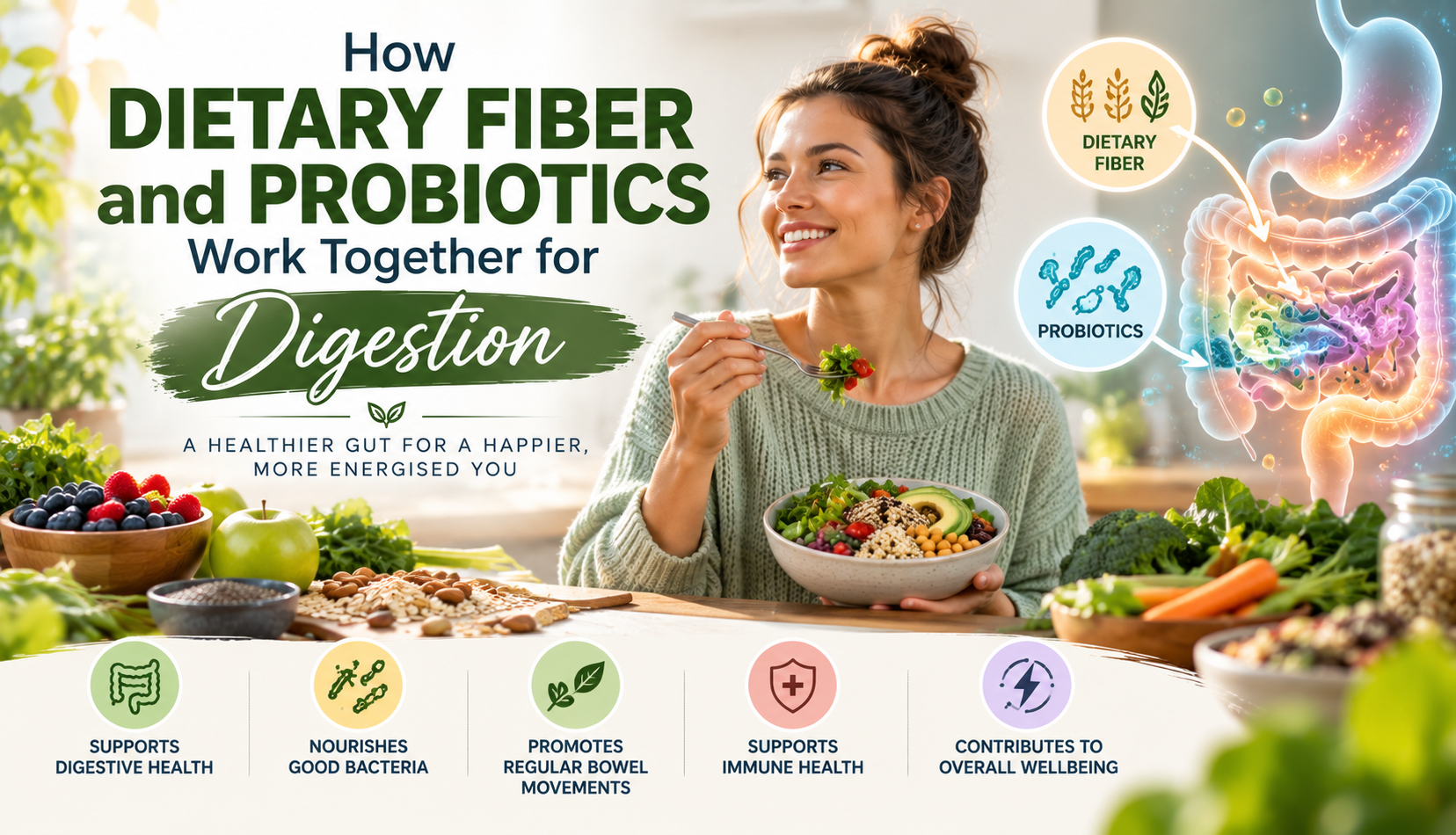
Bovine colostrum supports gut barrier repair via lactoferrin and growth factors, while probiotics replenish beneficial bacteria. Used together, they address gut health from complementary angles.
This combined approach supports both the physical structure of the digestive tract and the microbial ecosystem living within it.
Prebiotics feed beneficial bacteria already present in the gut. Colostrum contains naturally occurring oligosaccharides that provide prebiotic-like benefits while also supporting immune and gut barrier functions.
Digestive enzymes assist with breaking down food but do not directly support the gut lining or immune function. Colostrum offers broader digestive support beyond nutrient digestion alone.
Fibre promotes regular bowel movements and supports microbiome health. Colostrum provides additional immune and gut barrier support that fibre supplements do not offer.

Taking gut health supplements consistently can lead to numerous benefits, including better gut health, digestive regularity, and reduced occurrences of bloating and discomfort. These supplements can improve gut health by supporting the function of the large intestine, which plays a key role in digestion and maintaining a balanced microbiome. Probiotics, for instance, can help manage symptoms of digestive disorders such as irritable bowel syndrome (IBS) and antibiotic-associated diarrhoea. When used correctly, probiotics can significantly improve digestion and strengthen the immune system.
Regular intake of probiotics may improve overall immune response and reduce inflammation in the body. This can lead to a healthier gut lining and a more robust immune system. Additionally, certain probiotics have been linked to improved mental health and mood stabilisation through the gut-brain axis. A diverse gut microbiome can positively influence both physical and mental health, impacting mood and immune response.
Overall, gut health supplements can support gut health by promoting a balanced gut microbiome, reducing digestive disturbances, and enhancing overall health. These supplements can enhance digestive health, strengthen the immune system, and offer various health benefits associated with a healthier gut.
To support gut health, there are three main types of gut health supplements you should consider: probiotics, prebiotics, and digestive enzymes. Each of these supplements plays a unique role in maintaining a healthy gut microbiome and promoting optimal digestive health.
Probiotics are live bacteria and yeasts that offer numerous health benefits when consumed. These beneficial bacteria help maintain a balanced gut microbiome, which is essential for digestive health and overall well-being. Certain probiotic strains, such as Akkermansia muciniphila, show promise in strengthening the gut lining, providing additional support for gut health and live microorganisms. L-glutamine helps heal and protect the intestines’ lining and balances the gut microbiome.
The benefits of probiotics depend on the strain, dose, and duration of use. Check the probiotic label for specific strains that meet your individual needs. Some strains and their effects include:
Some probiotics, such as Acidophilus, also support the urinary tract by helping maintain microbiome balance, which is important for urinary tract health.
Probiotic supplements are particularly beneficial when the gut microbiome has been disrupted by antibiotics or other health conditions. In addition to supporting the gut-brain axis, probiotics may also benefit the nervous system, further promoting the gut-brain connection and overall digestive health. However, some people may experience temporary digestive issues, such as gas and bloating, when first taking probiotics. These issues typically resolve after a few weeks as the gut adjusts to the new bacteria.
Prebiotics are non-digestible compounds that nourish beneficial gut bacteria, promoting a diverse microbiome. These compounds feed friendly bacteria, helping to maintain a healthy gut microbiome and support digestive health. Sources of prebiotics include certain foods like chicory root, which provides natural prebiotic fiber and prebiotic supplements.
Some prebiotic gummies contain 3 billion CFU of probiotics and natural prebiotic fiber from chicory root, making them an excellent choice for those looking to improve their gut health. Incorporating prebiotics into your diet supports the growth of good bacteria and promotes a balanced gut microbiome.
Digestive enzymes play a crucial role in breaking down carbohydrates, fats, and proteins for absorption. These enzymes help in nutrient absorption and reduce digestive discomfort by breaking down food components more efficiently. Digestive enzyme supplements can support your digestive system and alleviate issues like bloating and stomach pain. Additionally, magnesium is vital for supporting gut health by promoting regular bowel movements.
For those experiencing digestive disturbances, digestive enzyme dietary supplements can be particularly beneficial. Consult a healthcare provider before starting any new vitamin c supplement to ensure it’s appropriate for your specific needs.
Selecting only high quality sources of gut health supplements is crucial for ensuring their efficacy and safety. Look for supplements that have been thoroughly evaluated in peer-reviewed studies to guarantee their benefits. Opt for products from well-established and trusted brands known for quality and transparency to ensure reliability.
When examining probiotic supplements, check the labels for clear information on probiotic strains and the number of viable organisms. This information will help you understand the product’s potency and ensure you are getting an effective supplement. Additionally, consider third-party testing certifications to verify that the supplements meet quality and safety standards.
Following these tips will help you select high-quality gut health supplements that support your digestive health and overall well-being. To identify nutritional gaps and choose the most appropriate gut health supplements for your needs, consider consulting a registered dietitian. Remember, investing in quality health products is key to achieving optimal gut health and the best results, including L-glutamine.

While gut health supplements are beneficial, making lifestyle changes can further support your gut health. Regular consumption of fermented foods rich in probiotics, such as yoghurt and kefir, can help maintain a healthy gut microbiome. Incorporating a variety of fruits and vegetables into your diet also promotes a healthier gut microbiome.
To support gut health, consider the following:
Regular cardiovascular activities can enhance gut motility and positively influence the gut microbiome. Additionally, eating slowly and chewing food thoroughly may alleviate digestive issues like gas and bloating. Practising mindfulness and meditation can reduce stress, which is essential for digestive health. Incorporating these lifestyle changes complements the benefits of gut health supplements and promotes optimal digestive health, contributing to regular bowel movements.

Recognising the signs of poor gut health is crucial for maintaining overall well-being. Common indicators include symptoms such as:
If these symptoms occur frequently, it may indicate a need for gut health supplements. Probiotic supplements, for example, can mitigate symptoms of poor gut health, such as bloating and digestive discomfort. Recognising these signs and taking appropriate action can help improve your digestive health and overall well-being.
While gut health supplements offer numerous potential health benefits, they may also lead to adverse side effects such as gas, bloating, and diarrhoea. Fiber supplements, in particular, can cause bloating, gas, and discomfort if not taken correctly. It’s important to consult a healthcare provider before starting any new supplement, especially digestive enzymes, to ensure they are suitable for your health issues.
Reading the label and following directions for use is essential before starting any new gut health supplement. Being informed and cautious minimises the risk of side effects and maximise the benefits of these supplements.
In conclusion, gut health supplements play a vital role in maintaining a healthy gut microbiome and promoting optimal digestive health. By understanding the different types of supplements, their benefits, and how to choose high-quality products, you can take proactive steps towards better gut health.
Incorporating lifestyle changes, recognising signs of poor gut health, and being aware of potential side effects are all crucial aspects of managing your digestive health. By taking these steps, you can improve your overall well-being and enjoy the numerous benefits of a healthy gut.
Gut health supplements are designed to restore and maintain a balanced gut microbiome, enhancing digestive health and overall well-being. Incorporating these supplements can be beneficial for those looking to improve their gut health.
Probiotics enhance gut health by promoting a balanced microbiome, aiding digestion, and strengthening the immune system. Incorporating them into your diet can lead to significant health benefits.
If you're experiencing symptoms like bloating, heartburn, abdominal pain, excessive gas, or alternating constipation and diarrhoea, it may be time to consider gut health supplements. Addressing these signs can help restore balance and improve your digestive well-being.
Yes, taking gut health supplements can cause side effects like gas, bloating, and diarrhea. Always consult a healthcare provider before beginning any new supplement regimen.
To choose high-quality gut health supplements, prioritise products backed by peer-reviewed research, from reputable brands, and verified by third-party testing. This ensures you're investing in effective and safe supplements for your gut health.
Colostrum and probiotics serve different purposes. Probiotics primarily support the balance of beneficial bacteria in the gut, while bovine colostrum supports gut barrier integrity, immune function, and digestive resilience. Many people choose to use both together as part of a broader approach to digestive wellness and gut health and skin support.
Bovine colostrum contains naturally occurring growth factors, lactoferrin, and immunoglobulins that help support the maintenance and integrity of the intestinal lining. This is why it is often discussed in relation to gut barrier health and digestive wellness.
Individual responses vary depending on diet, lifestyle, and overall digestive health. Some people report noticing digestive improvements within a few weeks, while others may require longer-term supplementation as part of a broader wellness routine.
Yes. Colostrum and probiotics work through different mechanisms and are commonly used together to support both gut barrier health and microbiome balance.
No. Bovine colostrum does not contain live probiotic bacteria. Instead, it contains bioactive compounds and prebiotic components that help support a healthy gut environment.

Join The Hub community. Subscribe today and receive a monthly email with our newest blogs and articles on health, wellness, and nutrition to keep you informed and inspired.
By signing up you agree to our User Agreement and Privacy Policy & Cookie Statement


Newsletter
By signing up you agree to our User Agreement and Privacy Policy & Cookie Statement
By accessing, browsing, or using this website (the “www.newimage.world/thehub”), you acknowledge and agree to the terms of this Disclaimer. The Website, including its blogs, podcasts, videos, and any other content (collectively, the “Content”), is operated by New Image™ International (“the Company,” “we,” “our,” or “us”).
All Content made available on this Website is provided strictly for general informational and educational purposes only. The Content does not constitute, and should not be relied upon as, medical advice, diagnosis, treatment, prescription, or professional health consultation of any kind.
The Company makes no representations or warranties regarding the accuracy, completeness, reliability, or timeliness of the Content. The Content may include information collected from external or third-party sources, and we do not independently verify such information. Accordingly, no nutritional, health, or wellness claims are endorsed, warranted, or guaranteed by the Company.
To the fullest extent permitted by applicable law:
Your use of the Website does not establish any doctor–patient, nutritionist–client, or other professional relationship between you and the Company or any of its representatives.
The Website may include references, links, or access to third-party websites, podcasts, or resources. The Company does not control, endorse, or assume any responsibility for such third-party content and shall not be held liable for any damages arising from your use of or reliance on it.
By clicking “Accept” on the Website’s pop-up disclaimer, you expressly acknowledge that you have read, understood, and agreed to be bound by this Disclaimer. Your continued use of the Website constitutes ongoing acceptance of these terms. If you no longer agree with this Disclaimer, you must immediately discontinue use of the Website.
Join The Hub community. Subscribe today and receive a monthly email with our newest blogs and articles on health, wellness, and nutrition to keep you informed and inspired.
By signing up you agree to our User Agreement and Privacy Policy & Cookie Statement


















.webp)
.webp)