
Interest in the relationship between nutrition and the gut microbiome has grown steadily, especially as research continues to explore how early and bioactive food components interact with gut microbes across different life stages. Among these components, colostrum has gained attention for its unique composition and its emerging role in research on gut barrier function and immune-related outcomes. Evidence is still developing, and effects may vary between individuals.
This article explores what current research suggests about the connection between colostrum gut microbiome interactions, focusing on how colostrum may influence gut microbes, intestinal barrier function, and immune-related markers, without overstating evidence or making therapeutic claims.
Understanding the Gut Microbiome
The gut microbiome refers to the complex community of microorganisms living within the gastrointestinal tract. These gut microbes include beneficial bacteria, neutral organisms, and potentially harmful pathogens. Together, they contribute to digestion and nutrient metabolism and interact with immune signalling. Research also explores links between the microbiome and aspects of mood and perceived energy, though findings are still emerging.
Environmental factors such as diet, stress, sleep patterns, early feeding practices, and microbial exposure all influence the composition of the gut microbiota. A diverse intestinal microbiota is commonly associated with healthy gut function and, in some studies, favorable inflammatory markers, although responses vary between individuals.
What Is Colostrum?
Colostrum is the first milk produced by mammals in the early stages after birth. It is distinct from mature milk due to its higher concentration of bioactive compounds (including growth factors and antimicrobial peptides) and nutrients. How these components translate to measurable effects in adults is still being studied.
Human colostrum and bovine colostrum share several structural similarities, although their concentrations and proportions differ. Bovine milk–derived colostrum is commonly used in supplement form due to availability and scalability, while human colostrum primarily supports newborn development through maternal milk or banked milk systems.
Colostrum Compared with Mature Milk

Compared with mature milk, colostrum contains higher levels of epidermal growth factor, transforming growth factor beta, and other signalling molecules. These components are thought to support intestinal epithelial development and barrier function in early life. In adults, research has focused on specific contexts (e.g., intense exercise), and conclusions are more limited.
While mature milk supports ongoing nutrition, colostrum is often described as a “transition milk,” supporting early gut adaptation in newborns before transitioning fully to mature milk and feeding. This distinction is important when considering how milk components interact with the intestinal microbiota.
The Gut Microbiome and Intestinal Barrier Function
The intestinal barrier plays a crucial role in separating the internal environment of the human body from external substances. Intestinal permeability sometimes referred to as gut permeability describes how easily substances move across this barrier.
Research has explored how dietary components influence intestinal epithelial cells and tight junction integrity. Current evidence suggests that bioactive milk components may help support barrier structure and function. Some studies examine changes in permeability-related markers, though findings vary by population and setting.
How Colostrum Interacts with Gut Microbes
Colostrum contains antimicrobial factors present in early milk, including antimicrobial peptides that may influence gut bacteria populations. Rather than eliminating microbes broadly, these components are thought to influence the gut environment in ways that could affect microbial balance, though direct effects on specific ‘good’ vs ‘bad’ bacteria are not consistently demonstrated in humans.
This interaction may support aspects of gut function in certain contexts, particularly during periods of stress, dietary change, or altered intestinal function. Importantly, current research suggests modulation rather than dominance avoiding claims of superiority over other nutritional approaches.
Bovine Colostrum Supplements and Gut Health
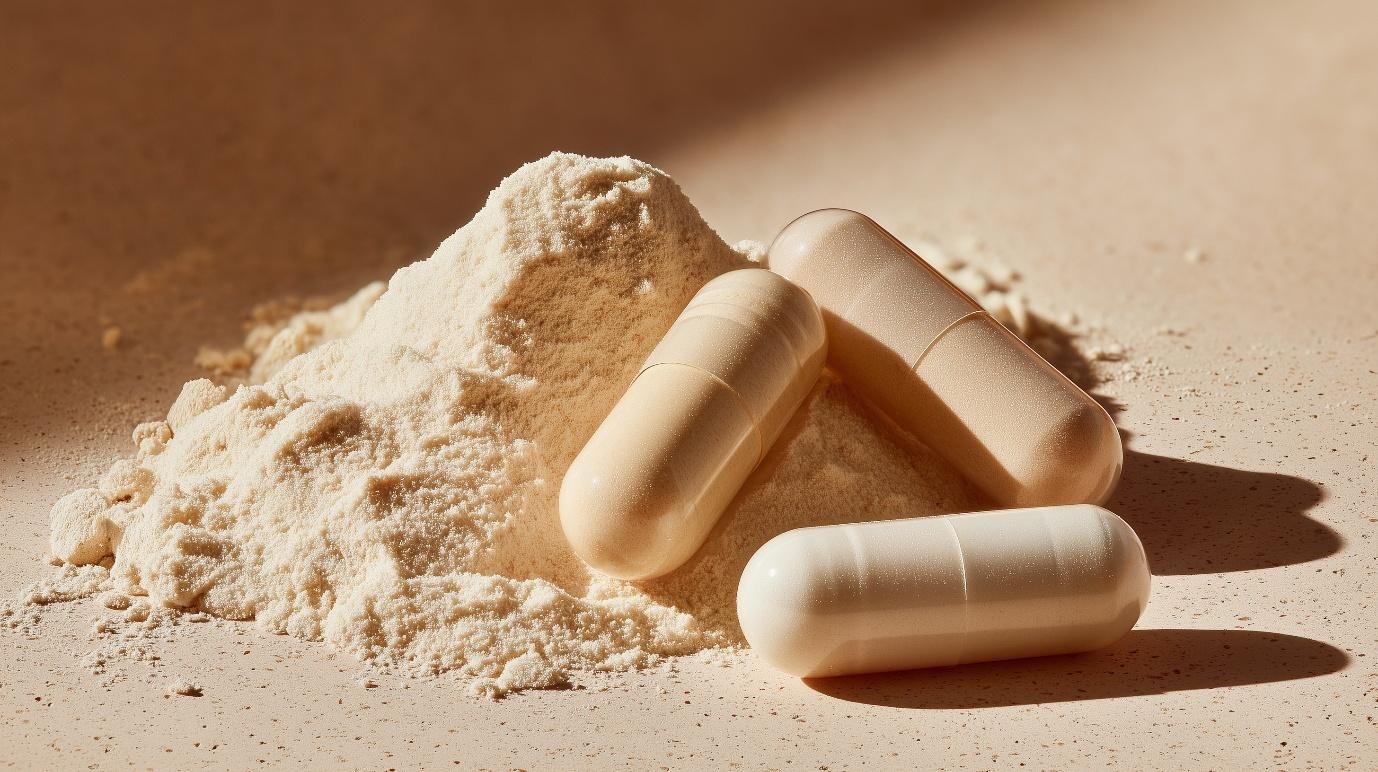
Bovine colostrum supplements are widely used in supplement form, often as powders or capsules. These products aim to deliver concentrated milk components without replacing a healthy diet.
Research has explored its effects on gut barrier and immune-related markers in healthy adults (including athletes) and in some clinical research settings. Outcomes vary by dose, formulation, and participant characteristics. Results from clinical trials indicate potential benefits, although outcomes vary depending on dosage, formulation, and individual health status.
Growth Factors and Intestinal Function
Growth factors such as epidermal growth factor play a role in cellular communication within the gastrointestinal tract. These compounds are associated with intestinal epithelial cell renewal and maintenance.
Current research suggests that these milk components may support intestinal epithelial function and adaptation, particularly when the gut is under stress; evidence in healthy adults remains limited, and conclusions remain cautious and evidence-based.
Colostrum, Gut Inflammation, and Immune Signalling
Gut inflammation and systemic inflammation are influenced by immune cells, gut microbes, and environmental inputs. Colostrum contains bioactive components that are being studied for their potential to support balanced immune activity.
Research on gut disorders often examines microbiota patterns and barrier markers. Within this context, colostrum is being researched as a natural supplement that may complement broader nutritional strategies.
Immune Function Beyond the Gut
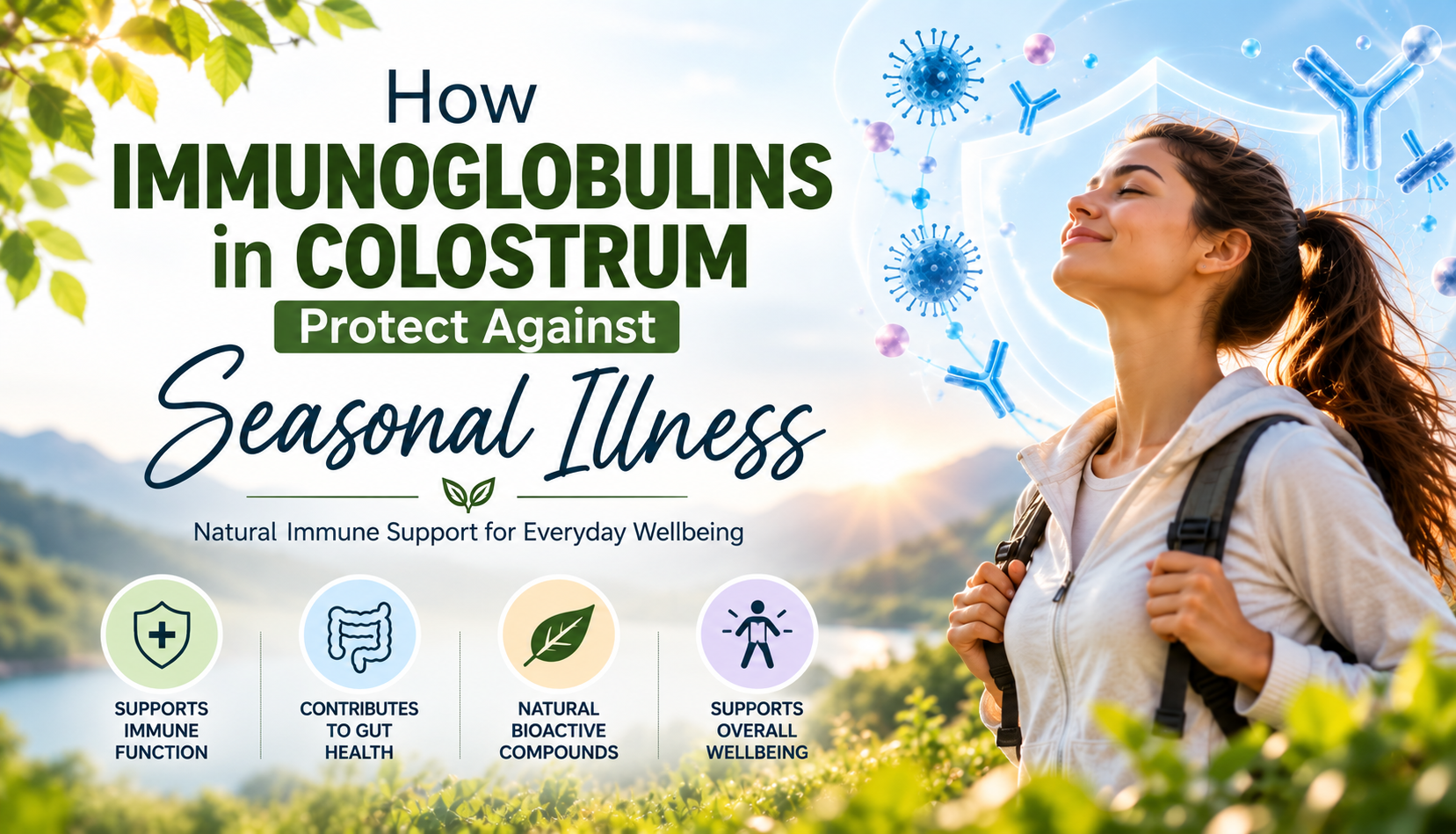
The gut microbiome is closely linked to immune function beyond digestion. Research has explored associations between intestinal microbiota composition and immune responses in areas such as the upper respiratory tract.
Some clinical trials have examined whether colostrum supplementation influences immune support and immune response markers, including studies examining upper respiratory symptoms or immune markers in physically active groups. These findings are typically measured through immune activity markers rather than disease outcomes.
Early Life, Preterm Infants, and Microbiota Development
Colostrum research frequently focuses on early life stages, including low birth weight infants and very preterm infants. In these settings, gut microbiota development is influenced by enteral feeding practices, maternal milk availability, and intestinal maturity.
Studies involving human colostrum, maternal milk, and human banked milk examine how early feeding supports intestinal microbiota development, immune cells, and gut barrier function. “In neonatal intensive care research, outcomes such as necrotizing enterocolitis and late-onset sepsis are studied in clinical research contexts without making direct nutritional claims.
Colostrum and Gut Permeability Research

Reducing gut permeability is a frequent research interest, especially in relation to exercise stress, dietary challenges, and environmental factors. Research suggests that colostrum supplementation may support markers of intestinal barrier function in some populations, particularly in studies involving intense exercise; effects are not universal.
These outcomes are typically assessed through controlled trials comparing a placebo group with a colostrum group, highlighting the importance of context and individual variability.
Energy, Mood, and the Gut–Brain Axis
Beyond digestion, the gut microbiome plays a role in energy regulation and mood through the gut–brain axis. Gut microbes interact with neurotransmitter precursors, short-chain fatty acids, and immune signalling pathways.
While research is still emerging, current evidence suggests that nutritional approaches supporting gut microbiota balance may support markers of intestinal barrier function in some populations, particularly in studies involving intense exercise; effects are not universal. Colostrum’s nutrient density and signalling compounds are being explored within this broader framework.
Colostrum Compared with Other Nutritional Approaches
Colostrum compared with fermented foods, probiotic supplementation, and whole-food dietary patterns shows distinct mechanisms rather than direct competition. Fermented foods provide live microbes, while probiotics deliver specific strains. Colostrum, by contrast, supplies milk components that may influence the gut environment itself.
Rather than replacing beneficial bacteria, colostrum may influence the gut environment in ways that could be complementary to fibre-rich diets, fermented foods, or probiotics, depending on individual needs. This complementary role aligns with a balanced, healthy diet.
Is Colostrum Good for Your Microbiome?
Current research suggests colostrum may influence some gut-related outcomes (such as barrier function markers) in specific settings. Effects vary based on individual health status, diet, and lifestyle factors.
How long might it take to notice changes in gut-related markers or symptoms?
Research timelines vary. Some studies report changes in permeability-related markers over 2–3 weeks in exercise-focused contexts, while longer-term microbiome changes (if any) are less consistent. There is no universal timeframe, and responses differ between individuals.
Colostrum or Collagen for Gut Support?
Collagen provides structural amino acids, while colostrum supplies growth factors and antimicrobial peptides. Research explores different mechanisms rather than ranking one as superior. Choice often depends on nutritional goals and dietary context.
Do You Need a Probiotic with Colostrum?
Colostrum and probiotics serve different roles. Probiotic supplementation introduces specific strains, while colostrum may support the gut environment in which microbes operate. Some individuals choose to use both under professional guidance.
Supplement Form and Practical Considerations
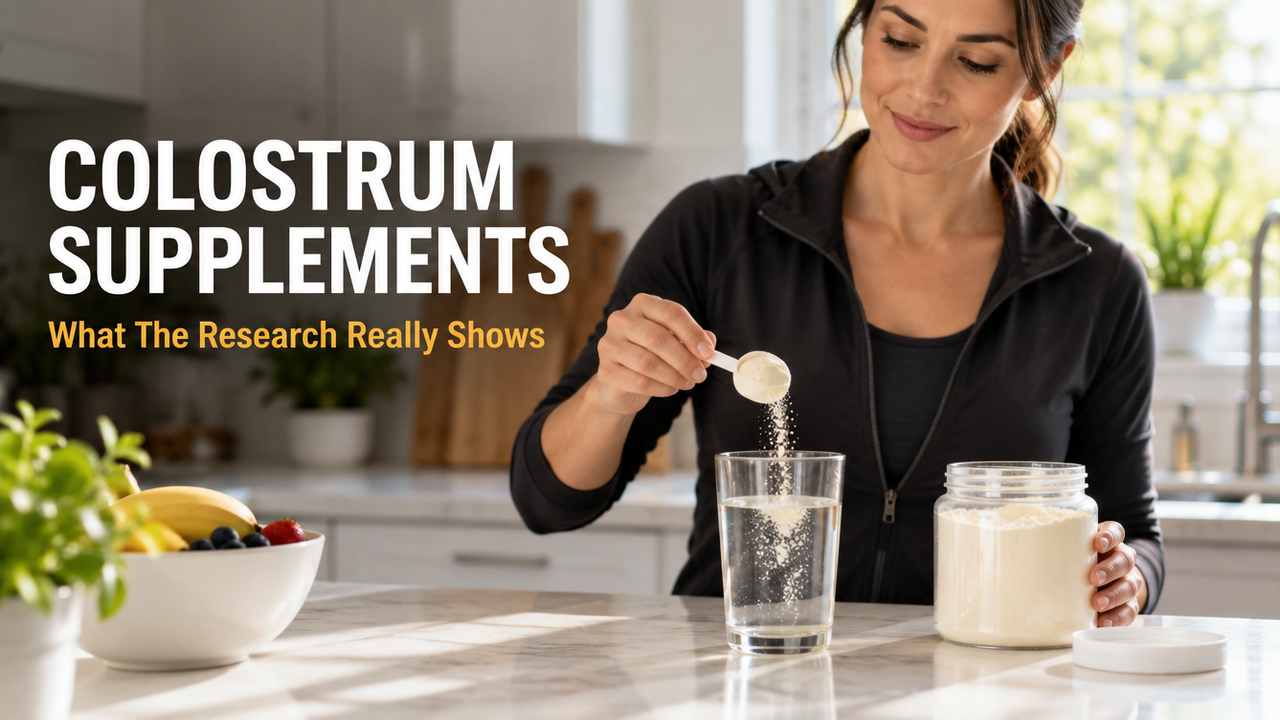
Colostrum supplements are typically consumed in powder or capsule form and are often combined with other essential nutrients. Quality, sourcing, processing methods, and dosage all influence outcomes.
As with any nutritional supplement, individual tolerance and dietary compatibility should be considered, especially for those with lactose intolerance or sensitivity. People with milk allergy should avoid colostrum unless advised otherwise by a qualified clinician.
Final Thoughts: What Current Research Suggests
The relationship between colostrum and the gut microbiome is an evolving area of research. Current evidence suggests potential effects on gut barrier function markers and certain immune-related measures in specific contexts, but findings are not definitive and are unlikely to be universal.
Rather than acting as a standalone solution, colostrum is best understood as part of a broader nutritional and lifestyle approach that includes a healthy diet, fermented foods, and attention to environmental factors.
Disclaimer
This article is intended for general educational and informational purposes only. It does not provide medical advice, diagnosis, or treatment, and it does not replace guidance from a qualified healthcare provider. Nutritional supplements may not be suitable for everyone. Individual responses can vary based on health status, dietary patterns, and lifestyle factors. Always seek personalised advice before making changes to your diet or supplement routine.

Join The Hub community. Subscribe today and receive a monthly email with our newest blogs and articles on health, wellness, and nutrition to keep you informed and inspired.
By signing up you agree to our User Agreement and Privacy Policy & Cookie Statement


Newsletter
By signing up you agree to our User Agreement and Privacy Policy & Cookie Statement
By accessing, browsing, or using this website (the “www.newimage.world/thehub”), you acknowledge and agree to the terms of this Disclaimer. The Website, including its blogs, podcasts, videos, and any other content (collectively, the “Content”), is operated by New Image™ International (“the Company,” “we,” “our,” or “us”).
All Content made available on this Website is provided strictly for general informational and educational purposes only. The Content does not constitute, and should not be relied upon as, medical advice, diagnosis, treatment, prescription, or professional health consultation of any kind.
The Company makes no representations or warranties regarding the accuracy, completeness, reliability, or timeliness of the Content. The Content may include information collected from external or third-party sources, and we do not independently verify such information. Accordingly, no nutritional, health, or wellness claims are endorsed, warranted, or guaranteed by the Company.
To the fullest extent permitted by applicable law:
Your use of the Website does not establish any doctor–patient, nutritionist–client, or other professional relationship between you and the Company or any of its representatives.
The Website may include references, links, or access to third-party websites, podcasts, or resources. The Company does not control, endorse, or assume any responsibility for such third-party content and shall not be held liable for any damages arising from your use of or reliance on it.
By clicking “Accept” on the Website’s pop-up disclaimer, you expressly acknowledge that you have read, understood, and agreed to be bound by this Disclaimer. Your continued use of the Website constitutes ongoing acceptance of these terms. If you no longer agree with this Disclaimer, you must immediately discontinue use of the Website.
Join The Hub community. Subscribe today and receive a monthly email with our newest blogs and articles on health, wellness, and nutrition to keep you informed and inspired.
By signing up you agree to our User Agreement and Privacy Policy & Cookie Statement












.webp)
.webp)