
The gut microbiome has become one of the most talked-about topics in modern wellbeing and nutrition science. Current research suggests that the trillions of microbial cells living inside the human gut influence digestion, immune balance, energy levels, mood, and long-term resilience of the human body.
This article provides a clear, evidence-based overview of the gut microbiome, how it works, why it matters across different stages of life, and practical, natural ways to support it without overstating claims or using therapeutic language. The focus remains educational and informative, aligned with accepted scientific understanding.
What Is the Gut Microbiome?
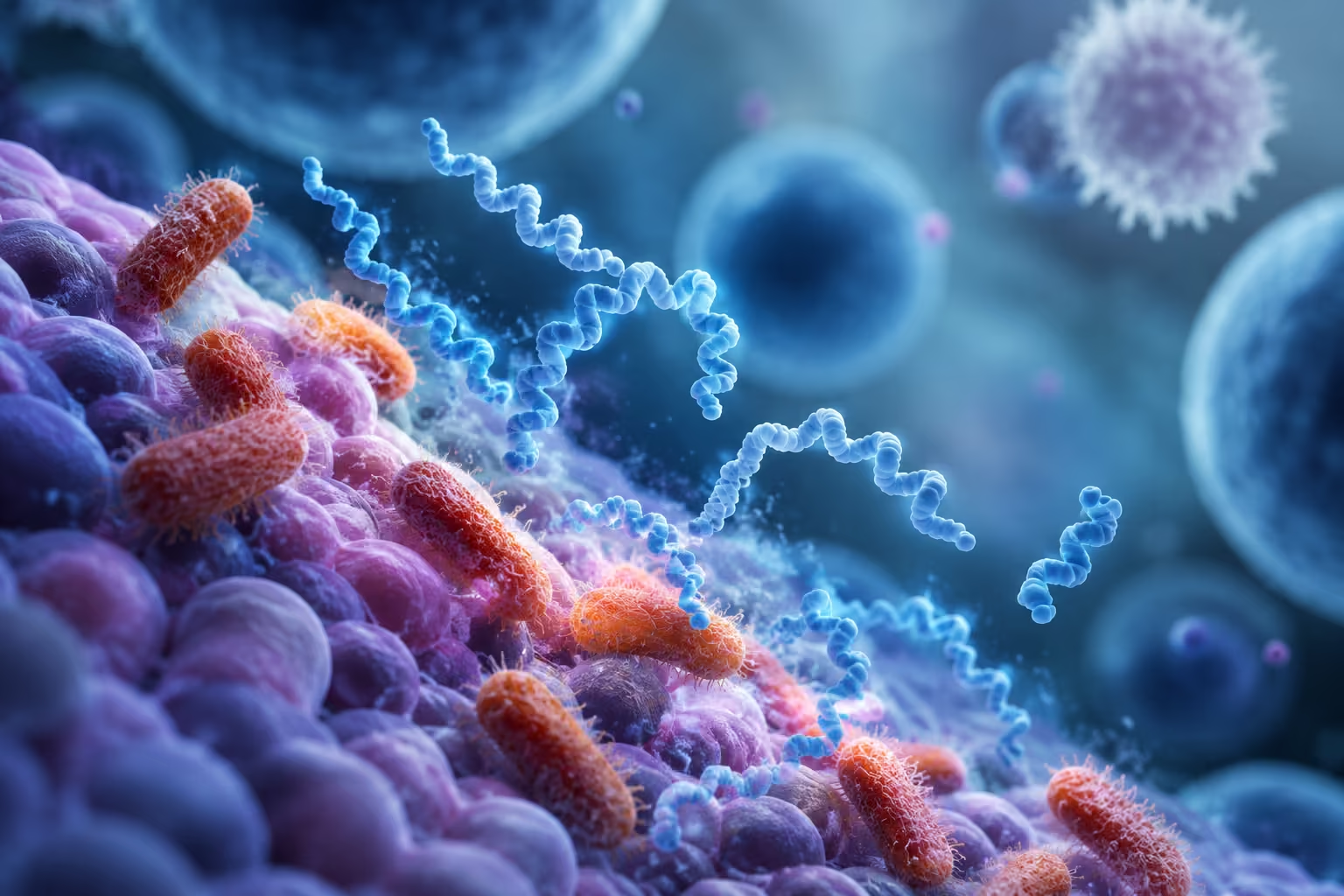
The gut microbiome refers to the collective community of gut microbes including bacteria, archaea, and other microbial populations that reside throughout the digestive tract, particularly in the large intestine.
The human gut microbiome contains trillions of microbes. Updated estimates suggest the total number of microbial cells in the body is roughly similar to the number of human cells. These microbes form part of the wider human microbiome, which includes microbial communities found on the skin, in the mouth, and across other body systems.
While the terms gut microbiota, intestinal microbiota, intestinal microbiome, gut flora, and intestinal microflora are often used interchangeably, they all describe the same concept: a living microbial ecosystem that co-exists with the human host.
The Role of Gut Bacteria in the Human Body
Gut bacteria play a central role in many essential biological processes. Rather than acting independently, these microbes interact closely with intestinal epithelial cells, dietary inputs, and the host immune system.
Key functions include:
A healthy gut microbiome depends not just on the presence of bacteria, but on balanced microbial diversity and stable microbial populations.
Gut Microbiota Diversity and Why It Matters
Gut microbiota diversity refers to the number and balance of different bacterial species and strains within the digestive tract. A diverse microbiome is widely associated with greater functional flexibility.
Some studies observe associations between lower microbial diversity and certain gut or metabolic health markers. However, diversity varies naturally across individuals, and associations do not necessarily indicate cause, diagnosis, or risk in a specific person.
In contrast, a diverse microbiome supports normal gut microbiota composition and efficient metabolic pathways without implying superiority or therapeutic outcomes.
The Gut Microbiome in Health and in Disease

The balance between beneficial bacteria and pathogenic bacteria plays a key role in maintaining microbial stability.
Gut dysbiosis
Gut dysbiosis describes a disrupted microbiota composition, where harmful microbial activity may outweigh supportive functions. Differences in microbiota composition have been observed in studies of conditions such as irritable bowel syndrome (IBS), inflammatory bowel disease (IBD), and Clostridioides difficile infection. These findings do not prove that microbiome changes are the cause.
It is important to note that associations do not equal causation. Systematic reviews and meta-analyses continue to explore these relationships, and conclusions remain cautious.
Antibiotics and Microbial Balance
Antibiotics can be life-saving, yet their use may temporarily alter normal gut microbiota by reducing both pathogenic organisms and healthy bacteria.
This disruption may contribute to:
Supporting microbial recovery through diet and lifestyle is commonly discussed in nutritional science, though outcomes vary between healthy adults.
Fecal Microbiota Transplantation: An Overview
Fecal microbiota transplantation, also referred to as fecal transplantation, involves transferring donor feces to restore microbial populations in specific clinical contexts. It is a medical procedure used in specific clinical contexts—most notably recurrent Clostridioides difficile infection—under specialist care.
This procedure highlights the importance of microbial cells and bacterial strains in human health, though it remains a specialised medical intervention rather than a general wellbeing strategy.
The Gut Brain Axis: Connecting Mood and Energy
The gut brain axis describes the two-way communication between the intestinal microbiota and the central nervous system.
Emerging research explores links between the gut microbiome and aspects of mood and stress responses, but mechanisms and causality are still being studied.
These connections expand understanding beyond digestion alone, aligning with growing interest in mental wellbeing and sustained daily energy.
Diet and the Gut Microbiome

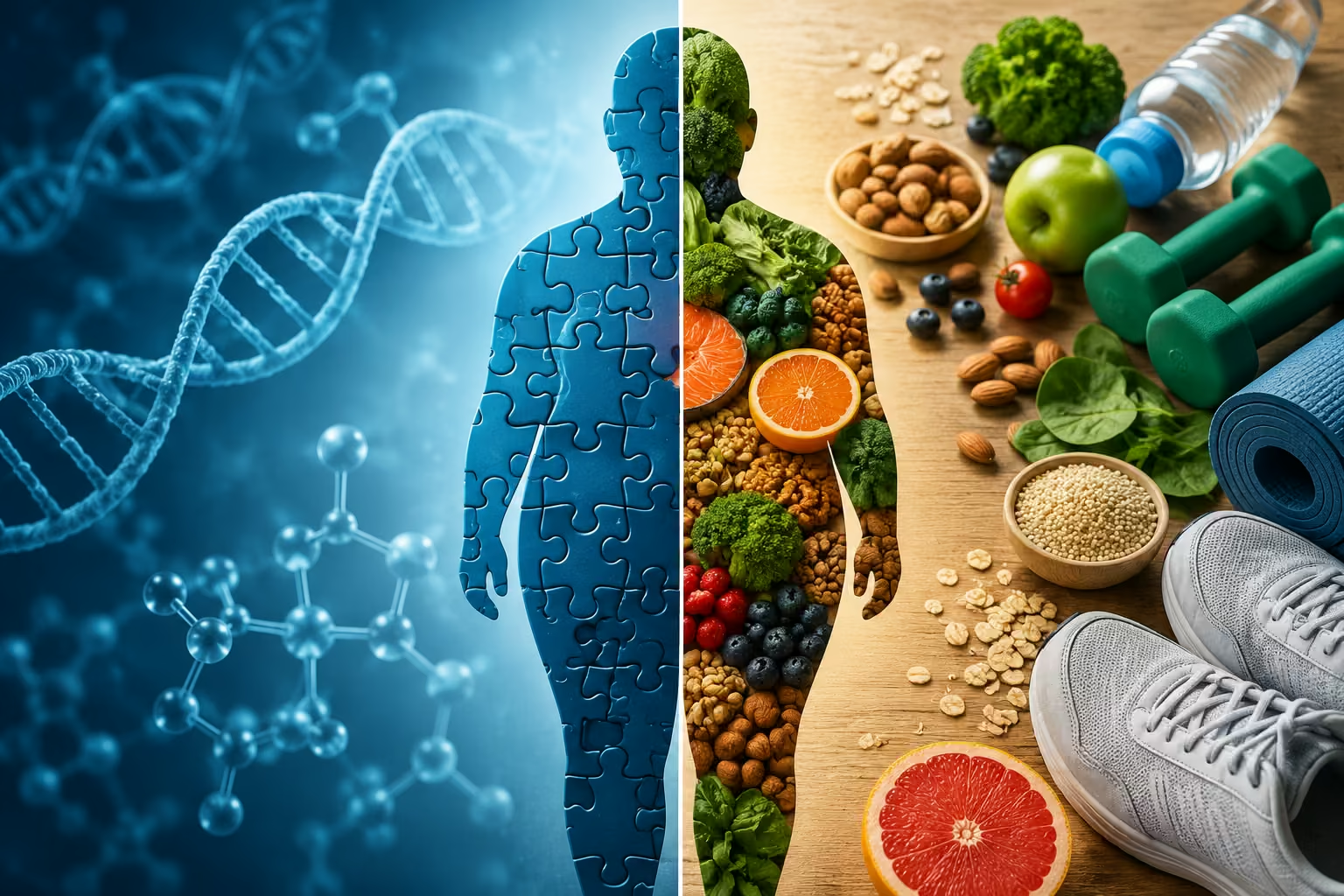
Diet remains one of the most influential lifestyle factors affecting gut microbiota composition.
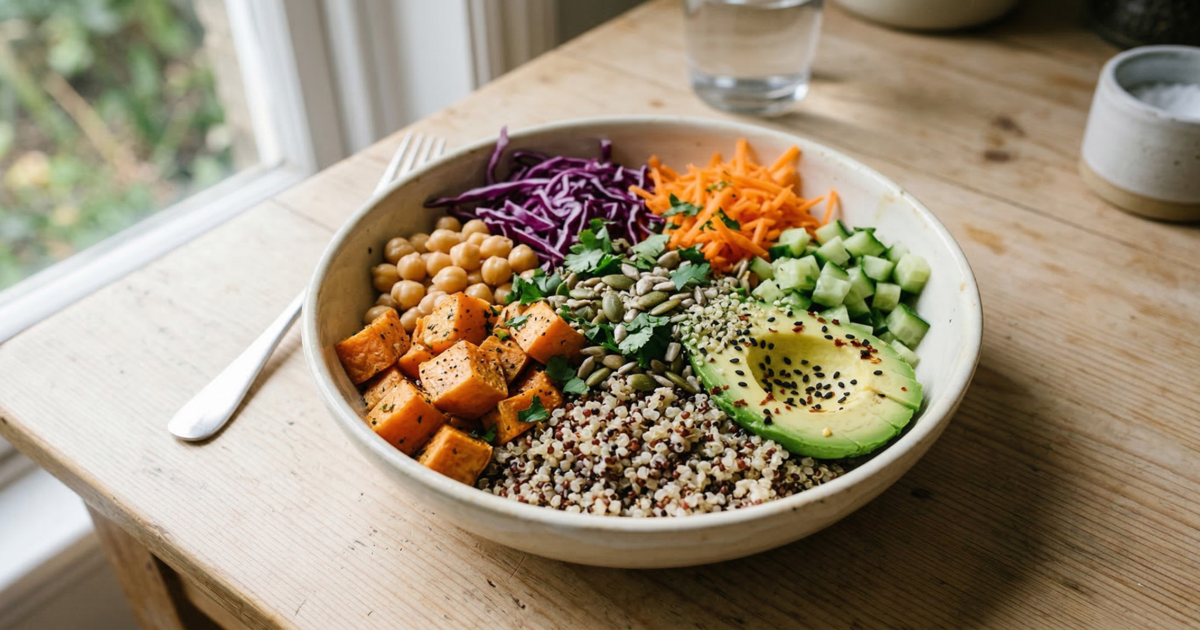
Foods that support microbial balance:
Foods linked with microbial imbalance:
Rather than focusing on elimination, supporting a healthy gut often involves increasing variety and consistency.
Short Chain Fatty Acids and Microbial Metabolites
When gut microbes ferment fibre, they produce short chain fatty acids, including acetate, propionate, and butyrate.
These microbial metabolites play a role in:
They are one reason higher fibre intake is often associated with beneficial microbial functions (such as SCFA production) in observational research.
Gut Microbiome and Metabolic Balance
Microbial metabolism influences how nutrients are processed and utilised.
Research continues to examine links between gut flora metabolism and:
These findings highlight how gut microbiota interact with broader systems affecting long-term human health, without implying disease prevention or treatment.
Signs of an Unhealthy Gut Microbiome

People often ask how to tell if their gut microbiome may be out of balance. People sometimes associate non-specific symptoms:
These symptoms can have multiple causes and should not be used for self-diagnosis.
How Can I Improve My Gut Microbiome Naturally?
Supporting gut microbiota diversity often focuses on sustainable habits rather than quick fixes.
Practical approaches include:
These strategies aim to support microbial populations rather than alter them aggressively.
How Do You Reset Your Gut Biome?
The idea of “resetting” the gut microbiome is popular but misleading. Microbial ecosystems change gradually.
Current understanding suggests:
Is It True That 70% of the Immune System Is in the Gut?
While percentages vary, it is well accepted that a significant portion of immune activity is associated with the gut-associated lymphoid tissue. It’s well established that the gut contains extensive immune tissue (GALT) and many immune cells, making it a major site of immune activity.
The immune system interacts continuously with intestinal microbiota, supporting immune homeostasis and tolerance toward commensal bacteria.
The Human Microbiome Project and Ongoing Research
Large-scale research initiatives such as the human microbiome project have expanded understanding of microbial populations and their variability among healthy adults.
Findings reinforce that there is no single “ideal” microbiota composition diversity and adaptability matter more than uniformity.
Gut Microbiome Across Life Stages
The human gut microbiota evolves over time, influenced by:
Supporting gut microbiota composition at different stages of life requires flexible, evidence-aligned approaches.
Pathogenic vs Commensal Bacteria
Not all bacteria are harmful. Commensal bacteria can contribute to normal gut functions and interact with immune signaling.
Problems arise when pathogenic organisms dominate due to microbial dysbiosis or environmental stressors.
The Big Picture: Microbes and Human Health
The gut microbiome sits at the intersection of digestion, immune balance, metabolic pathways, and neurological signalling.
Rather than focusing on single bacterial species, modern research emphasises:
This systems-based perspective reflects how the human body and its microbes function as an integrated whole.
Frequently Asked Questions
How do I tell if my gut microbiome is bad?
There is no single test or symptom. Digestive comfort, energy levels, and dietary tolerance are often discussed indicators, but professional assessment is required for concerns.
How can I improve my gut microbiome?
Gradual dietary diversity, fibre intake, stress management, and regular routines are widely supported approaches.
Does everyone have the same gut microbiota?
No. Microbial diversity and composition vary widely among individuals.
Final Thoughts
The gut microbiome continues to be a rapidly evolving field of research. Current evidence highlights its role in digestion, immune balance, energy regulation, and mood — without implying medical outcomes.
Supporting a healthy gut microbiome is best viewed as a long-term lifestyle approach grounded in diversity, consistency, and balance rather than trends or extremes.
Disclaimer
This article is for general educational purposes only and does not provide medical advice, diagnosis, or treatment. Information presented reflects current scientific understanding and emerging research but should not be interpreted as therapeutic or disease-related claims. Individuals should consult qualified health professionals for personalised advice related to diet, digestion, or wellbeing.
Join The Hub community. Subscribe today and receive a monthly email with our newest blogs and articles on health, wellness, and nutrition to keep you informed and inspired.
By signing up you agree to our User Agreement and Privacy Policy & Cookie Statement


Newsletter
By signing up you agree to our User Agreement and Privacy Policy & Cookie Statement
By accessing, browsing, or using this website (the “www.newimage.world/thehub”), you acknowledge and agree to the terms of this Disclaimer. The Website, including its blogs, podcasts, videos, and any other content (collectively, the “Content”), is operated by New Image™ International (“the Company,” “we,” “our,” or “us”).
All Content made available on this Website is provided strictly for general informational and educational purposes only. The Content does not constitute, and should not be relied upon as, medical advice, diagnosis, treatment, prescription, or professional health consultation of any kind.
The Company makes no representations or warranties regarding the accuracy, completeness, reliability, or timeliness of the Content. The Content may include information collected from external or third-party sources, and we do not independently verify such information. Accordingly, no nutritional, health, or wellness claims are endorsed, warranted, or guaranteed by the Company.
To the fullest extent permitted by applicable law:
Your use of the Website does not establish any doctor–patient, nutritionist–client, or other professional relationship between you and the Company or any of its representatives.
The Website may include references, links, or access to third-party websites, podcasts, or resources. The Company does not control, endorse, or assume any responsibility for such third-party content and shall not be held liable for any damages arising from your use of or reliance on it.
By clicking “Accept” on the Website’s pop-up disclaimer, you expressly acknowledge that you have read, understood, and agreed to be bound by this Disclaimer. Your continued use of the Website constitutes ongoing acceptance of these terms. If you no longer agree with this Disclaimer, you must immediately discontinue use of the Website.
Join The Hub community. Subscribe today and receive a monthly email with our newest blogs and articles on health, wellness, and nutrition to keep you informed and inspired.
By signing up you agree to our User Agreement and Privacy Policy & Cookie Statement

















.webp)
.webp)