
Probiotics have become a central topic in conversations about everyday wellbeing, digestive comfort, and long-term balance in the body. From yoghurt pots and fermented vegetables to probiotic supplements and nutrition bars, these live microorganisms are now found naturally in many foods and formulated products. But what exactly does a probiotic do, and how can you choose one appropriately?
This in-depth guide explains the term probiotic, explores current probiotic research, outlines the potential health benefits, and discusses different probiotic strains, foods, and supplements in a clear, informative way.
What Is a Probiotic?
The term probiotic refers to live microorganisms mainly bacteria and yeasts that, when taken in adequate amounts, contribute to the natural balance of microorganisms in the body. These beneficial microbes are part of the wider community known as the gut microbiota, also described as the intestinal microflora or healthy gut microbiome.
Probiotics are not medicines. They are commonly found in food or dietary supplements and are intended to support normal digestive and immune function rather than treat health conditions.
What Exactly Does a Probiotic Do?
So, what exactly does a probiotic do?
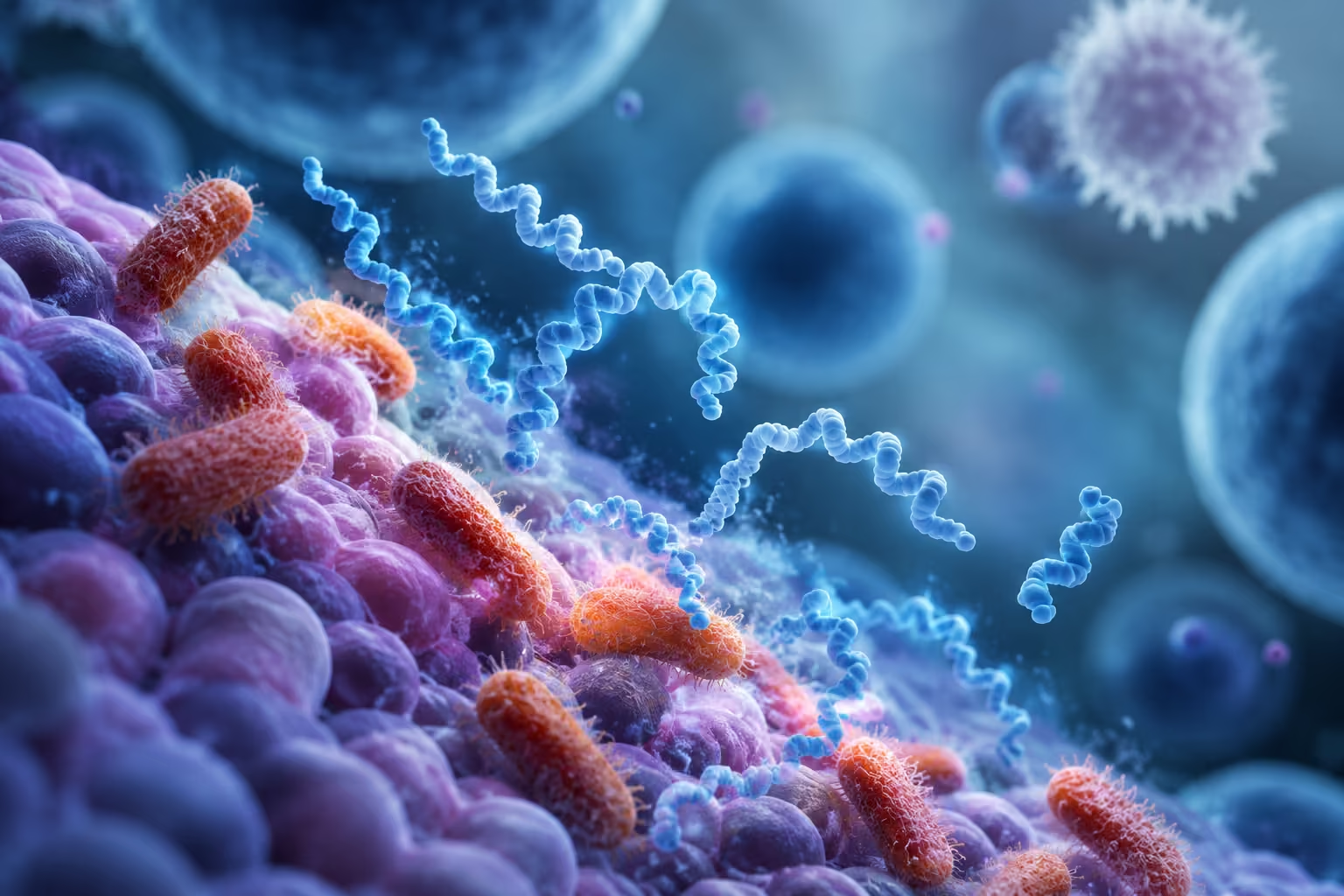
Probiotics work by interacting with the existing beneficial bacteria in the digestive tract. When consumed, live bacteria or live probiotics may help maintain a natural balance within the gut microbiome by:
Current research suggests that probiotics may play a role in digestive comfort, energy regulation, and even mood through the gut brain connection, though more research is ongoing in this area.
Understanding Gut Microbiota and Digestive Health
The gut microbiota consists of several species of microorganisms, including bacteria and yeasts, that naturally live in the digestive system. These microorganisms help break down food, interact with nutrients, and support a healthy immune system.
An imbalance in gut microbiota may be associated with digestive discomfort, such as bloating or irregular bowel habits. This is why probiotics are often discussed in relation to digestive health, gastrointestinal disorders, and overall wellbeing.
Types of Probiotics and Probiotic Strains
Not all probiotics are the same. There are different probiotics, each defined by their genus, species, and strain designation.
Lactobacillus Genus
The lactobacillus genus is one of the most widely researched groups of probiotics. Several species within this genus are commonly found in fermented foods and supplements.
Bifidobacterium Species
Another well-known group, often naturally found in the digestive tract, contributing to intestinal balance.
Strain Designation Matters
Each probiotic strain has an alphanumeric strain designation (for example, genus + species + numbers). According to expert consensus documents and systematic reviews, benefits observed for one strain cannot be assumed for others. This is why certain probiotics are studied for specific uses, while other probiotics may have different roles.
Probiotic Foods Found Naturally

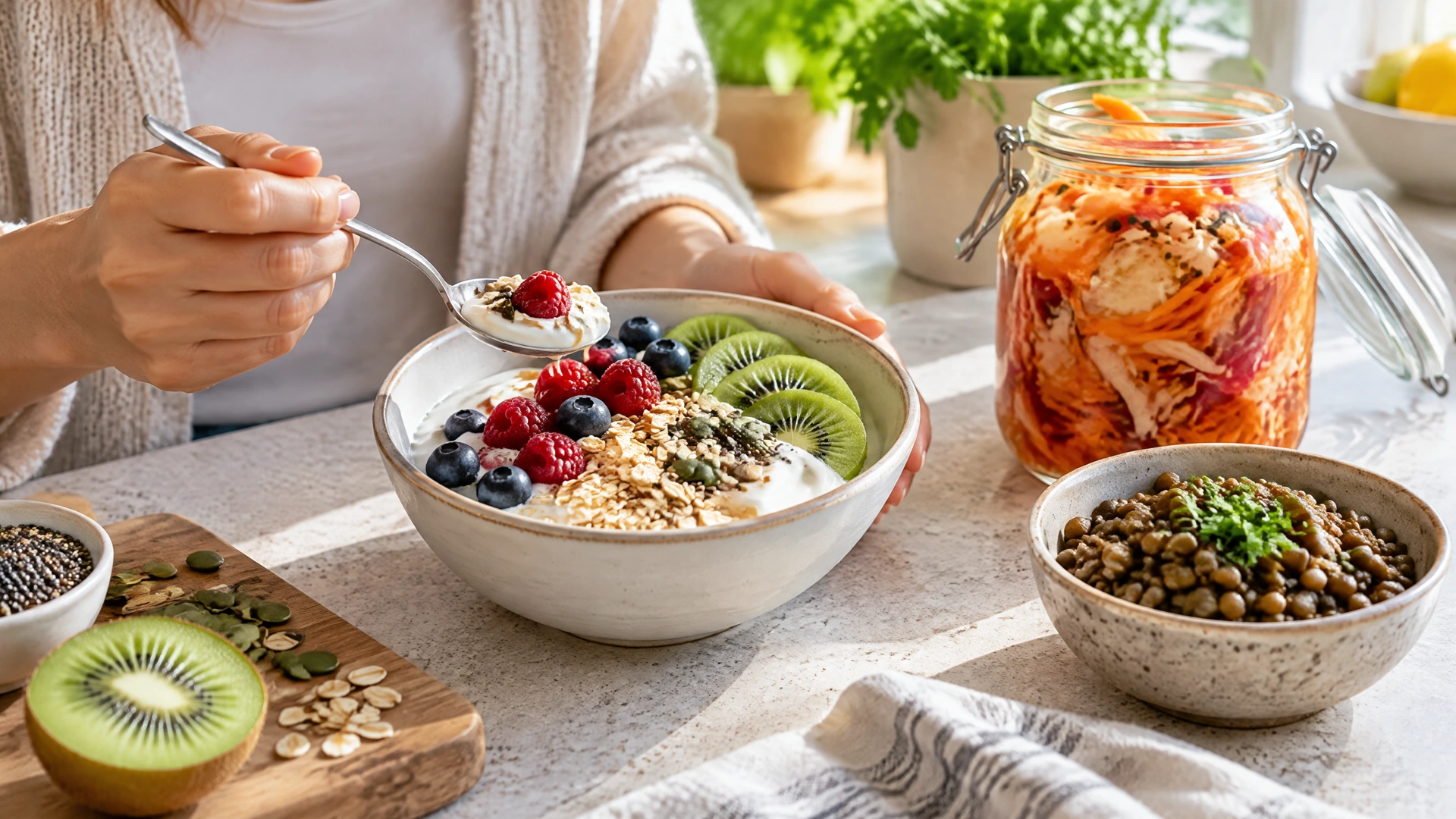
Many people prefer probiotics from food rather than supplements. Probiotics are found naturally in foods that contain live and active cultures.
Common Fermented Foods
These fermented foods contain live cultures that may support digestive balance when consumed as part of a varied diet.
What Food Is Highest in Probiotics?
There is no single answer to what food is highest in probiotics, as levels vary depending on preparation, storage, and shelf life. Foods with live and active cultures, especially minimally processed fermented foods, are commonly recognised as natural sources of probiotics.
Probiotic Supplements Explained
Probiotic supplements are regulated as dietary supplements and are available in capsules, powders, sachets, and functional foods such as nutrition bars.
Colony Forming Units (CFUs)
Supplements list colony forming units, which indicate the number of live microorganisms at the time of manufacture. Higher CFUs do not necessarily mean better results, as effectiveness depends on the strain, formulation, and appropriate use.
Shelf Life and Storage
Probiotic products may lose potency over time. Always check shelf life and storage instructions to ensure the product still contains live microorganisms.
Benefits of Probiotics: What Does Research Suggest?

When discussing the benefits of probiotics, it’s important to avoid absolute claims. Instead, current evidence from systematic reviews and expert consensus documents suggests potential health benefits in certain contexts.
Digestive Comfort
Some probiotic strains have been studied in relation to digestive balance and normal bowel function, including research around antibiotic associated diarrhea and acute infectious diarrhoea.
Immune Support
Probiotics may support a healthy immune system, particularly for individuals with a weakened immune system, though effects vary between strains.
Energy and Mood
Emerging research suggests a connection between the gut microbiome, energy levels, and mood regulation, often referred to as the gut–brain axis. This remains an evolving area of probiotic research.
Probiotics and Specific Digestive Conditions
Probiotics are often discussed in relation to gastrointestinal disorders such as irritable bowel syndrome or ulcerative colitis. Some strains have been examined in clinical settings under AGA clinical practice guidelines or similar expert frameworks.
However, there is not enough evidence to suggest that all probiotics work the same way, or that they are suitable for everyone.
Taking Probiotics: Is Daily Use Appropriate?
Many people ask, is it good to take probiotics daily? or is it worth taking probiotics every day?
For generally healthy individuals, daily intake through food or supplements may help maintain microbial balance. However, not all people need probiotics all the time. Individual needs depend on diet, lifestyle, and existing gut microbiota.
It’s always sensible to consult a healthcare provider before starting supplements, particularly for children, older adults, or those with underlying health conditions.
How Do You Tell If You Need Probiotics?
Common questions include:
There is no single test or symptom that confirms the need for probiotics. Digestive discomfort, changes after antibiotic use, or low intake of fermented foods may prompt interest, but this does not mean probiotics are required in every case.
What Are the Top 3 Probiotics?
There is no universal answer to what are the top 3 probiotics. According to international scientific association statements and expert consensus documents, probiotic effectiveness is strain-specific. What works for one purpose may not apply to another.
Which Probiotic Is Best for Gut Health?
Similarly, which probiotic is best for gut health depends on individual needs, strain selection, and evidence supporting that strain. Avoid claims that suggest superiority or guaranteed outcomes.
Are Probiotics Good for Gut Health?
In general terms, probiotics are often associated with gut health because they contribute to microbial diversity and natural balance. However, probiotics are good for gut health only when used appropriately and as part of a balanced diet that includes fibre-rich foods.
Safety, Side Effects, and Considerations
Probiotics are widely used and generally well tolerated. Mild digestive changes may occur when first taking probiotics. In rare cases, individuals may experience discomfort or an allergic reaction.
People with medical concerns or compromised immunity should always seek advice from a qualified healthcare provider before use.
Why Do Cardiologists Warn Against Probiotics?
Questions such as why do cardiologists warn against probiotics usually relate to specific clinical contexts rather than everyday use. Caution may be advised for certain individuals or in hospital settings, highlighting the importance of personalised guidance rather than general assumptions.
How Probiotics Work With Diet
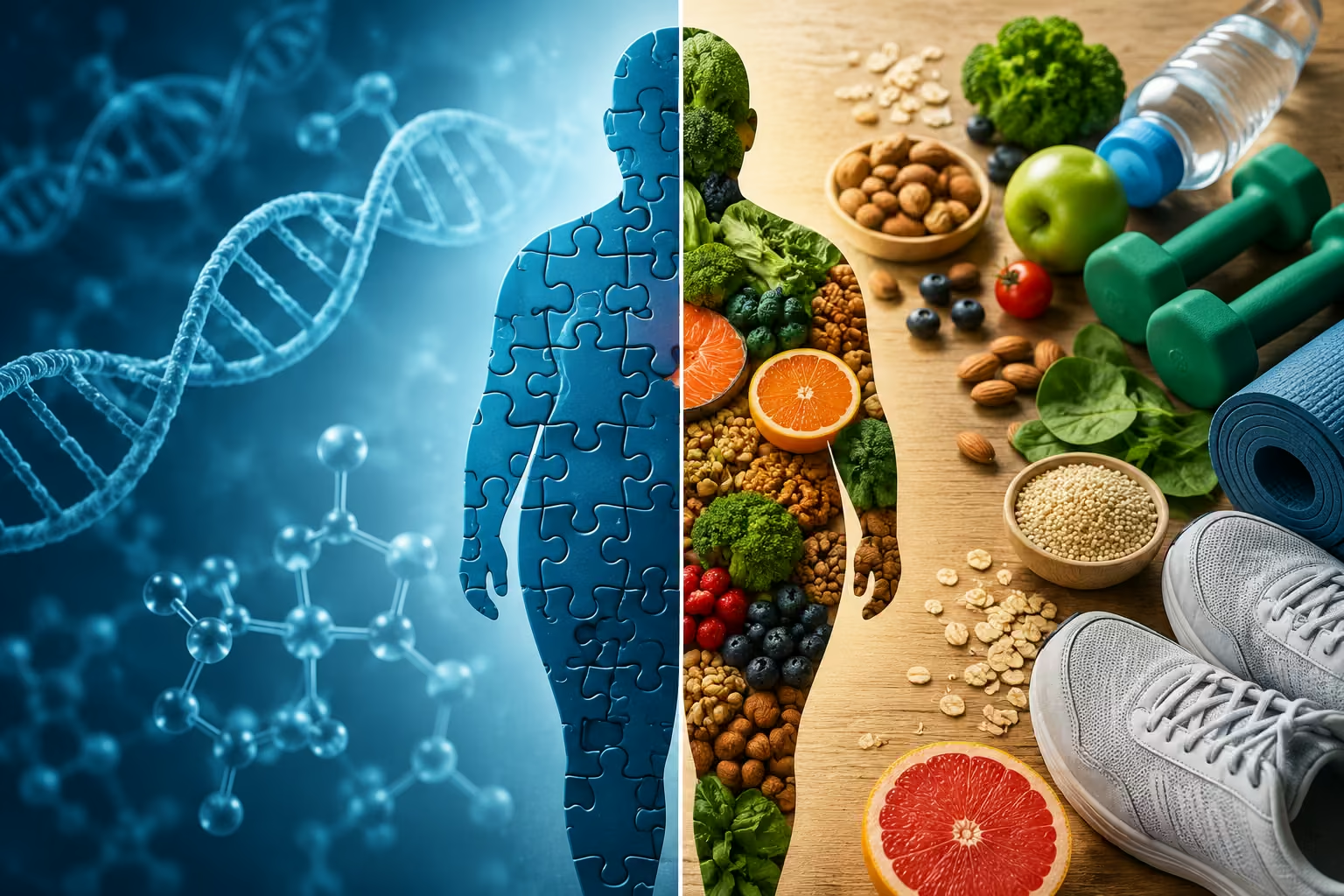
Probiotics do not work in isolation. They interact with diet, particularly fibre and prebiotics, as described in the prebiotics consensus statement. A varied diet that includes whole foods supports the natural balance of gut microbiota more broadly.
Key Takeaways
Disclaimer
This article is for general informational purposes only and is not intended as medical advice. Probiotic products, foods, and supplements are not designed to diagnose, treat, cure, or prevent any disease. Individual responses to probiotics vary. Always consult a qualified healthcare provider before making changes to your diet or using dietary supplements, especially if you have existing health concerns or are taking medications.
Join The Hub community. Subscribe today and receive a monthly email with our newest blogs and articles on health, wellness, and nutrition to keep you informed and inspired.
By signing up you agree to our User Agreement and Privacy Policy & Cookie Statement


Newsletter
By signing up you agree to our User Agreement and Privacy Policy & Cookie Statement
By accessing, browsing, or using this website (the “www.newimage.world/thehub”), you acknowledge and agree to the terms of this Disclaimer. The Website, including its blogs, podcasts, videos, and any other content (collectively, the “Content”), is operated by New Image™ International (“the Company,” “we,” “our,” or “us”).
All Content made available on this Website is provided strictly for general informational and educational purposes only. The Content does not constitute, and should not be relied upon as, medical advice, diagnosis, treatment, prescription, or professional health consultation of any kind.
The Company makes no representations or warranties regarding the accuracy, completeness, reliability, or timeliness of the Content. The Content may include information collected from external or third-party sources, and we do not independently verify such information. Accordingly, no nutritional, health, or wellness claims are endorsed, warranted, or guaranteed by the Company.
To the fullest extent permitted by applicable law:
Your use of the Website does not establish any doctor–patient, nutritionist–client, or other professional relationship between you and the Company or any of its representatives.
The Website may include references, links, or access to third-party websites, podcasts, or resources. The Company does not control, endorse, or assume any responsibility for such third-party content and shall not be held liable for any damages arising from your use of or reliance on it.
By clicking “Accept” on the Website’s pop-up disclaimer, you expressly acknowledge that you have read, understood, and agreed to be bound by this Disclaimer. Your continued use of the Website constitutes ongoing acceptance of these terms. If you no longer agree with this Disclaimer, you must immediately discontinue use of the Website.
Join The Hub community. Subscribe today and receive a monthly email with our newest blogs and articles on health, wellness, and nutrition to keep you informed and inspired.
By signing up you agree to our User Agreement and Privacy Policy & Cookie Statement















.webp)
.webp)