
In recent years, interest in colostrum has grown well beyond early life nutrition. Once known mainly as the first milk mammals produce after giving birth, colostrum is now widely discussed among adults exploring dietary supplements, performance nutrition, and whole-food approaches to wellbeing. This has led many to ask a practical question: colostrum supplements vs whole-food diet—what matters most, and can they work together?
Rather than framing this as a competition, current thinking suggests a more balanced perspective. Whole-food nutrition and colostrum supplementation may play complementary roles when used thoughtfully, as part of a healthy diet and lifestyle. This article explores how bovine colostrum supplements fit alongside nutrient-dense foods, what current research suggests, and how adults can make informed, realistic choices without overstating benefits.
Understanding Colostrum Beyond Infancy
Colostrum is often described as “liquid gold” because it contains a concentrated mix of nutrients and bioactive compounds. All mammals produce colostrum in the early stages after birth, including humans and cows. In nature, newborn calves rely on colostrum from cows for early nourishment before transitioning to mature milk.
While human colostrum and breast milk are biologically designed for infants, bovine colostrum has attracted attention for adult use due to its concentration of proteins, growth factors, and other essential nutrients. Colostrum is distinct from regular milk: it is typically thicker and more concentrated in certain proteins and bioactive compounds. Lactose content can vary by source and processing.
What Is a Colostrum Supplement?
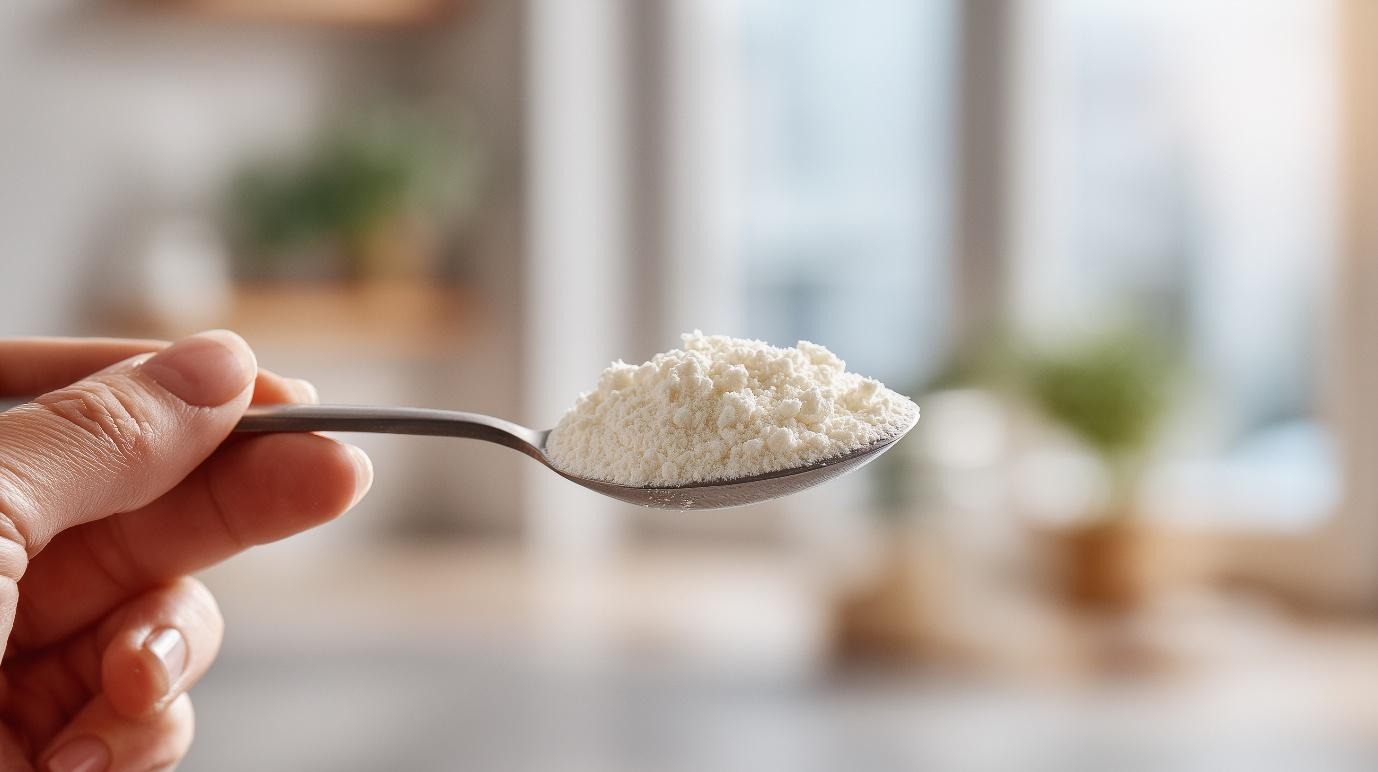
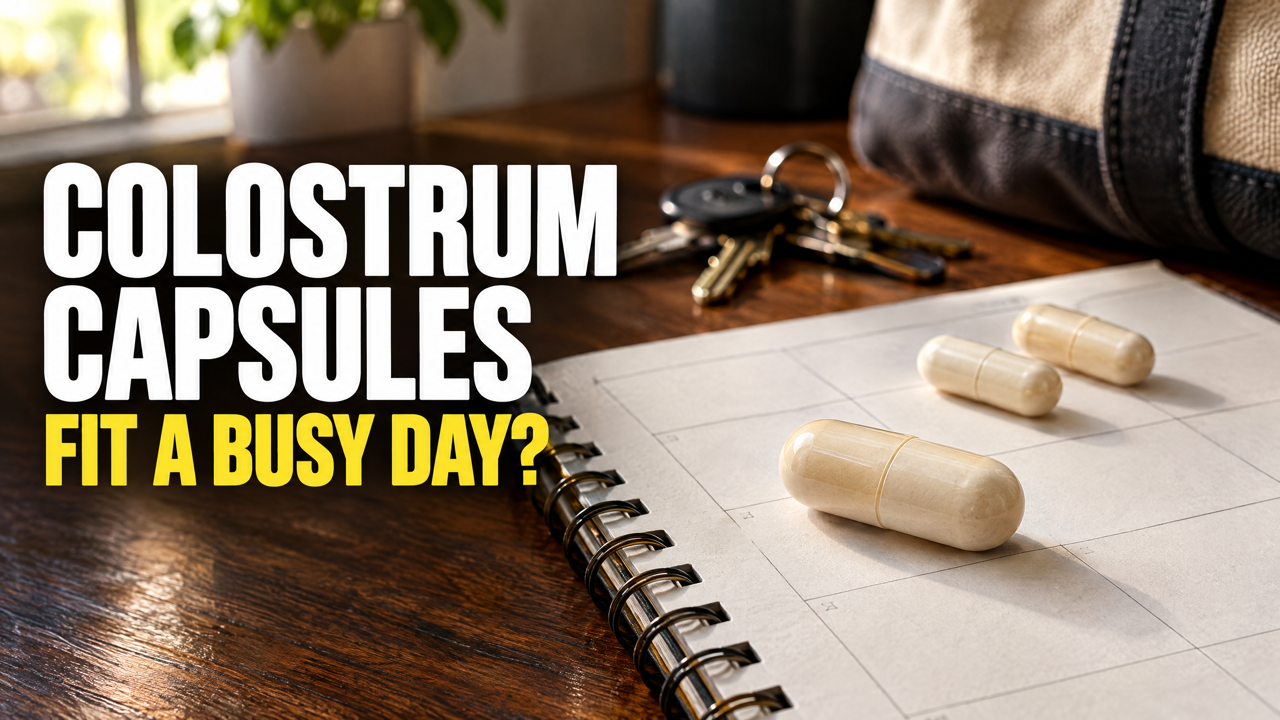
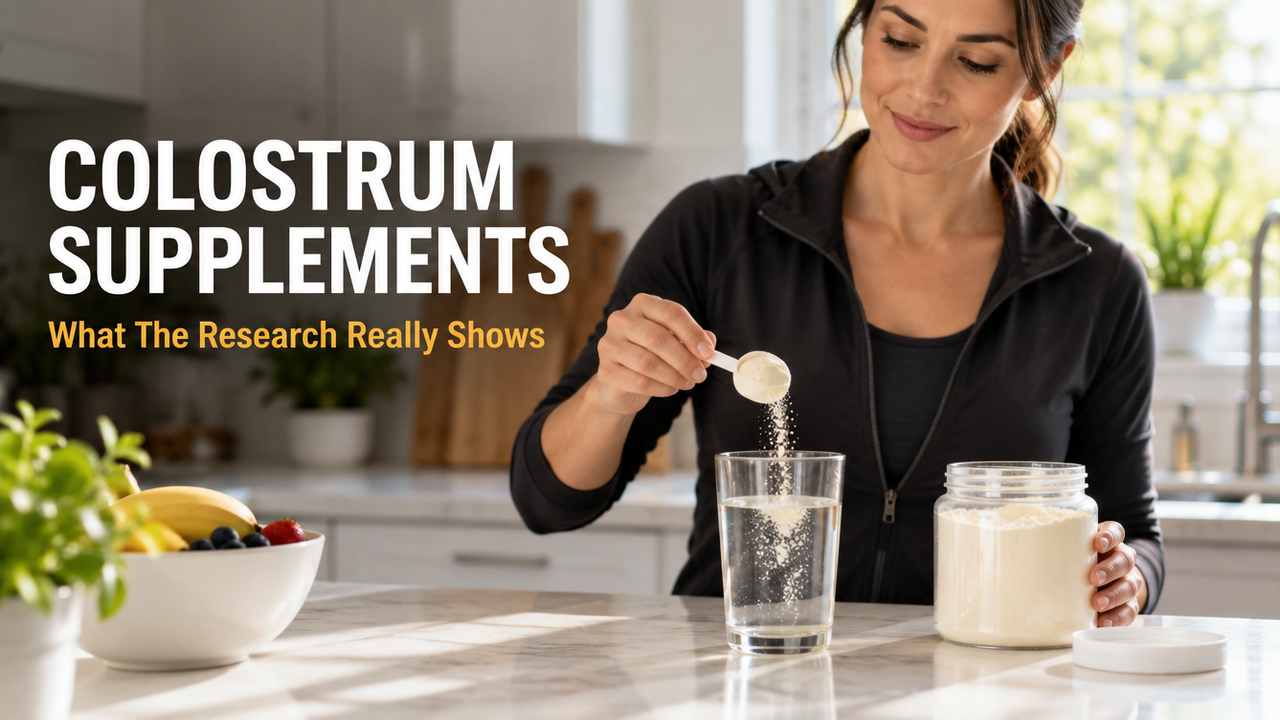
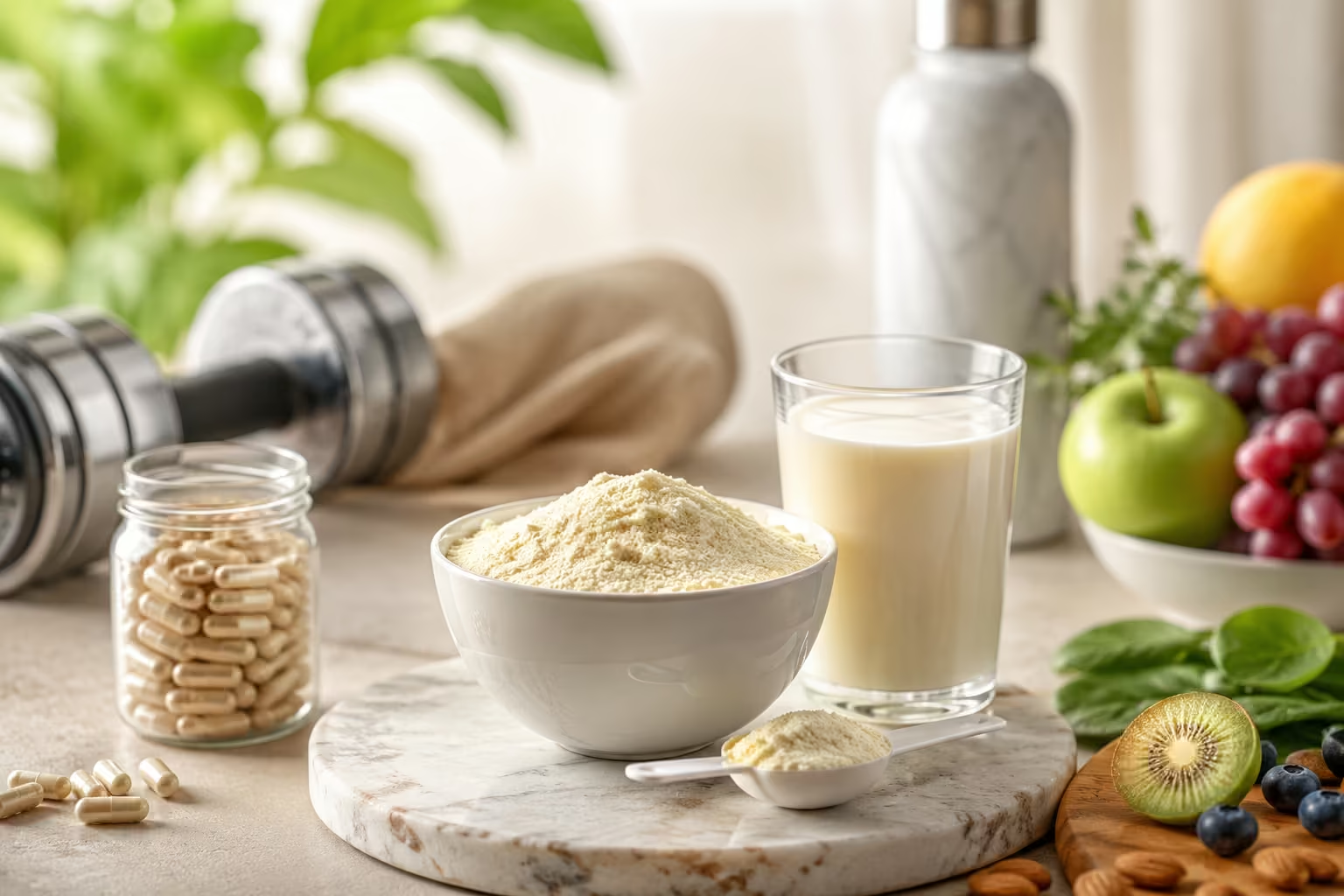
A colostrum supplement is typically produced from cow colostrum collected after calving, then processed into a supplement form such as powder or capsules. These products are often marketed as dietary supplements for adult humans rather than infant nutrition.
Bovine colostrum supplements usually contain:
Colostrum supplementation is not intended to replace food. Instead, it is generally positioned as a supportive addition to a balanced diet, especially for healthy adults with higher physical demands.
Whole-Food Nutrition: The Foundation of Health
Before comparing colostrum supplement vs diet, it is essential to establish one principle: Whole foods are widely recommended as the foundation of a healthy dietary pattern.
A healthy diet typically includes:
These foods provide fibre, essential nutrients, and bioactive compounds that contribute to gut function and overall wellbeing. Whole-food nutrition supports long-term health in ways that supplements generally cannot fully replicate on their own.
Colostrum Supplement vs Diet: Not a Competition
Rather than asking whether supplements are “better”, a more useful approach is to ask how they may complement each other.
When people compare colostrum supplement vs diet, they often overlook that these serve different purposes. Supplements are not substitutes for meals. They are tools that may support specific needs when used responsibly.
Colostrum and Gut Health: A Supportive Role
Gut health is influenced by many factors, including diet quality, stress levels, sleep, and physical activity. Whole foods such as fermented foods, vegetables, and whole grains contribute fibre and compounds that support the gut microbiome and normal gut barrier function.
Colostrum for gut health has gained attention because it contains roteins and bioactive components that may help support normal gut barrier function. A few studies and randomised controlled trials have explored colostrum supplementation in adults, often comparing a colostrum group with a control group.
Some human studies suggest bovine colostrum may help support markers of gut barrier function during intense exercise, but evidence is still limited and not necessarily generalisable to all adults.
Immune Support: Diet First, Supplements Second
The immune system relies heavily on adequate nutrition. Vitamins, minerals, protein, and energy intake all influence immune function and immune cells.
Whole foods contribute:
Colostrum supplements may provide additional nutrients and bioactive components relevant to normal immune function. Some trials in athletes have examined upper respiratory symptoms during training, with mixed findings versus placebo. These results are promising for certain groups but not definitive for the general population.
Importantly, supplements should not be viewed as a standalone solution for immune health.
Colostrum and Athletic Performance

One reason bodybuilders and elite athletes show interest in colostrum is its nutritional profile. Colostrum contains proteins and bioactive components that may support recovery when combined with resistance training and adequate overall nutrition.
Research into exercise performance and improved recovery has explored:
Current research suggests that taking bovine colostrum supplements may support exercise performance in certain contexts. However, results vary, and enough evidence is not yet available to make broad claims across all populations.
Whey Protein vs Colostrum: Different Roles
Whey protein is widely used for muscle recovery and protein intake. Colostrum contains whey protein but also includes other nutrients found in early milk rather than mature milk.
Whey protein:
Colostrum supplementation:
Some reviews suggest whey or colostrum supplementation may support training and recovery outcomes when combined with a healthy diet and appropriate exercise, though results vary by study design and population. These supplements are best seen as different tools, not direct replacements.
Energy, Mood, and Overall Health

Beyond physical performance, interest in colostrum has expanded to areas such as energy, vitality, and skin elasticity. Nutrient-dense foods play a major role in these areas by supporting steady energy release and mood stability.
Colostrum contains nutrients that may contribute to overall health and wellbeing when added thoughtfully to a balanced diet. Emerging interest focuses on how nutrition supports the body at a cellular level rather than quick fixes.
Safety and Practical Considerations
When considering supplementing colostrum, food safety and individual health status matter.
Points to consider:
Colostrum is a dairy-derived substance, and not all individuals will tolerate it equally.
What Are the Downsides of Taking Colostrum?
While colostrum supplements are often well tolerated by healthy adults, potential downsides may include:
Colostrum should not displace nutrient-rich foods or be relied upon as a primary nutrition source.
Do Colostrum Supplements Actually Work?
This depends on expectations. Current research suggests potential benefits in certain areas, such as markers of gut barrier function during intense exercise and some immune-related outcomes in athletes, but results are mixed and research is ongoing.
Colostrum supplements work best when combined with:
They are not designed to replace the broad benefits of a whole-food diet.
Why Do Bodybuilders Like Colostrum?
Bodybuilders often seek nutrient-dense supplements that support recovery and training demands. Colostrum provides protein, growth factors, and other nutrients that may complement resistance training and support recovery.
Its appeal lies in its composition rather than claims of superiority over food.
What Is Better for Gut Health, Collagen or Colostrum?
Collagen and colostrum serve different purposes. Collagen focuses on structural proteins, while colostrum provides a broader nutrient profile.
For gut health, fibre-rich foods and fermented foods remain essential. Supplements may complement but not replace these dietary foundations.
Can Colostrum Improve Athletic Performance?
Some studies suggest potential benefits in athletic performance and recovery, particularly in elite athletes. However, findings vary, and results are influenced by training load, diet, and overall health.
Colostrum supplementation should be viewed as part of a wider nutrition strategy rather than a performance solution on its own.
The Bigger Picture: Balance and Context
When considering colostrum supplement vs diet, the most balanced approach recognises that:
Colostrum may complement a nutrient-dense diet for some adults, particularly during periods of intense exercise or recovery. It is not a substitute for food, nor a guarantee of specific outcomes.
Final Thoughts
Colostrum supplements sit at the intersection of traditional nutrition and modern wellness trends. Their emerging role reflects growing interest in how specific nutrients may support gut function, normal immune function, energy, and recovery when used responsibly.
A balanced diet remains central to human health. Supplements, including colostrum, can complement but not replace whole-food nutrition. Making informed choices, grounded in current research and personal needs, remains the most sustainable approach.
Disclaimer
This article is for general information only and does not constitute medical or dietary advice. Individual responses to supplements vary based on health status, diet, and lifestyle. Always consult a qualified healthcare provider or registered dietitian before starting any new supplement, especially if you have existing health concerns or are taking other supplements.
Join The Hub community. Subscribe today and receive a monthly email with our newest blogs and articles on health, wellness, and nutrition to keep you informed and inspired.
By signing up you agree to our User Agreement and Privacy Policy & Cookie Statement


Newsletter
By signing up you agree to our User Agreement and Privacy Policy & Cookie Statement
By accessing, browsing, or using this website (the “www.newimage.world/thehub”), you acknowledge and agree to the terms of this Disclaimer. The Website, including its blogs, podcasts, videos, and any other content (collectively, the “Content”), is operated by New Image™ International (“the Company,” “we,” “our,” or “us”).
All Content made available on this Website is provided strictly for general informational and educational purposes only. The Content does not constitute, and should not be relied upon as, medical advice, diagnosis, treatment, prescription, or professional health consultation of any kind.
The Company makes no representations or warranties regarding the accuracy, completeness, reliability, or timeliness of the Content. The Content may include information collected from external or third-party sources, and we do not independently verify such information. Accordingly, no nutritional, health, or wellness claims are endorsed, warranted, or guaranteed by the Company.
To the fullest extent permitted by applicable law:
Your use of the Website does not establish any doctor–patient, nutritionist–client, or other professional relationship between you and the Company or any of its representatives.
The Website may include references, links, or access to third-party websites, podcasts, or resources. The Company does not control, endorse, or assume any responsibility for such third-party content and shall not be held liable for any damages arising from your use of or reliance on it.
By clicking “Accept” on the Website’s pop-up disclaimer, you expressly acknowledge that you have read, understood, and agreed to be bound by this Disclaimer. Your continued use of the Website constitutes ongoing acceptance of these terms. If you no longer agree with this Disclaimer, you must immediately discontinue use of the Website.
Join The Hub community. Subscribe today and receive a monthly email with our newest blogs and articles on health, wellness, and nutrition to keep you informed and inspired.
By signing up you agree to our User Agreement and Privacy Policy & Cookie Statement














.webp)
.webp)