
Balanced nutrition is about providing the body with the right amount of energy and essential nutrients it needs to function well. It contributes to maintaining a healthy body weight, steady energy levels, and general well-being. A healthy balanced diet includes a variety of foods and drinks that deliver all the vitamins, minerals, protein, carbohydrates and healthy fats your body requires.
Balanced nutrition is not about restriction or following the latest trends. It’s about choosing healthy foods, eating in moderation, and making small adjustments that suit your lifestyle and age. Whether you’re supporting a child’s diet, maintaining adult energy, or promoting vitality in later life, balance is key.
A healthy balanced diet includes the right proportion from each food group. These groups include fruits, vegetables, grains, protein-rich foods, dairy foods or dairy alternatives, and healthy fats. Each food group provides nutrients that contribute to growth, repair, and overall health.
Healthy Eating – The Everyday Approach
Healthy eating means choosing foods that give you energy and help maintain a healthy body weight. A helpful tip is to imagine half your plate filled with vegetables and fresh fruit, a quarter with lean protein, and the remaining quarter with whole grains or starchy vegetables like potatoes or corn. This visual approach creates a healthy plate that supports good nutrition at every meal.
When it comes to drinks, water should always be the first choice. Drink plenty throughout the day and limit fizzy drinks, energy drinks, and fruit juice that contain free sugars. Regular intake of drinks high in sugar can lead to tooth decay and unnecessary weight gain.
Understanding Food Groups and Their Role

Not all fats are equal. Unsaturated fats such as those in olive oil, nuts, and seeds are beneficial, while saturated fat and trans fats from fried foods, processed meats, and packaged foods should be limited. Excess intake of saturated and trans fats is associated with increased risk factors for heart disease and high blood pressure.
Replacing visible fat or butter with unsaturated oils and spreads can be a simple way to improve fat quality in your diet. Coconut oil, though natural, is still high in saturated fat, so it’s best used occasionally.
Carbohydrates are a vital source of energy. However, the type of carbohydrate you choose affects your nutritional value. Whole grains such as brown rice, oats, and whole wheat flour contain fibre, vitamins, and minerals that refined grains like white bread or standard pasta often lack.
A diet rich in whole grains supports digestive health and may help maintain a healthy body weight by keeping you fuller for longer. Choosing minimally processed grains is an easy way to boost your daily nutrient intake.
Protein helps repair tissues and build muscle. A varied intake from both animal and plant sources provides balance. Opt for lean meats such as skinless chicken, fish, and trimmed red meat. Incorporate beans, lentils, tofu, and cottage cheese for diversity.
Oily fish such as salmon, sardines, and mackerel provide unsaturated fats and omega-3 fatty acids, which contribute to normal heart function. Aim to include oily fish at least once a week for optimum nutritional value.
Dairy foods like milk, cheese, and yoghurt are excellent sources of protein, calcium, and phosphorus. For those choosing plant-based options, look for dairy alternatives fortified with calcium and vitamin B12.
Lower-fat dairy products can help reduce saturated fat intake, but it’s important to check labels for added sugars. Many reduced-fat yoghurts or flavoured milks contain free sugars, which can reduce their health benefits.

A child’s diet plays a vital role in growth and development. Offering a variety of food groups helps children develop a healthy relationship with food. Encourage fresh fruit and different coloured vegetables, whole grains, lean meats, and dairy foods or fortified alternatives.
Avoid energy drinks, drinks high in sugar, and processed foods. Instead, promote home-cooked meals made with minimally processed ingredients. Encouraging portion control and balanced eating from an early age helps establish lasting healthy habits.
To maintain a healthy body weight, the energy consumed must balance with energy used. Consuming more calories than needed leads to weight gain, while too few can result in fatigue.
A balanced diet rich in nutrient-dense foods can help maintain a healthy body weight. Choose whole grains, lean proteins, and healthy fats while limiting processed foods, fried foods, and foods high in added sugar.
For those aiming to lose weight, focus on portion size, avoid skipping meals, and include regular physical activity. Consistency and small, steady changes are more effective than extreme diets.
Processed foods can be convenient but are often high in sodium, sugar, and unhealthy fats. Some packaged foods contain additives or added sugars that can reduce their overall nutritional quality. Reading labels helps you make an informed choice.
Look for foods low in saturated fat, salt, and added sugar. Choose minimally processed options where possible, such as whole oats instead of sugary breakfast cereal or fresh meats over processed meats.
Cooking oils and spreads play a role in your overall fat intake. Vegetable oils such as canola, sunflower, and olive oil are good choices. These contain unsaturated fats that contribute to the maintenance of normal blood cholesterol levels.
Avoid frequent use of oils high in saturated fat like palm oil or butter. When using oils and spreads, moderation is key, even healthy fats add calories.
Free sugars are found in many packaged and processed foods. Fizzy drinks, sports drinks, and flavoured fruit juice are common sources. High intake of added sugars is linked with increased risk of tooth decay and excessive calorie intake, which may contribute to weight gain and elevated blood pressure.
Choose water, sparkling water with a slice of lemon, or unsweetened herbal tea as healthier alternatives. Reducing sugary drinks can make a noticeable difference in maintaining a healthy weight and supporting good health.
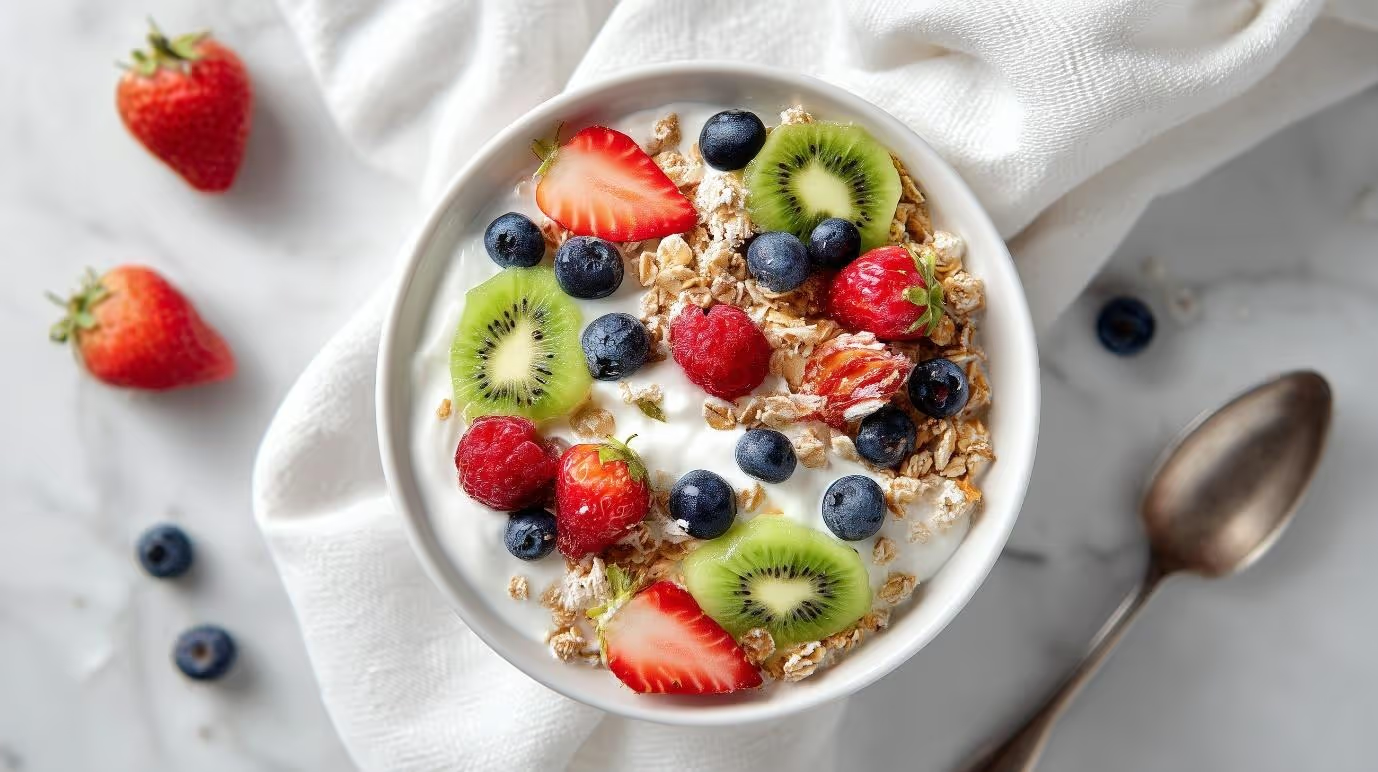
Breakfast provides the fuel to start the day. A bowl of wholegrain breakfast cereal, yoghurt, and fresh fruit offers fibre and sustained energy. Avoid highly processed cereals with added sugar.
A nutritious breakfast can support concentration and steady energy levels, and may help reduce overeating later in the day.
Making healthy choices can be simple with a few practical steps:
Consistency matters more than perfection. A healthy balanced diet can adapt to personal taste, lifestyle, and cultural preferences.
Food packaging often includes nutrition content claims such as “low fat” or “high in fibre”. These claims must meet strict conditions and definitions. For example, nutrient profiling scoring criteria (NPSC) determine whether foods meet the standards for making health-related claims.
Health claims describe a relationship between a food and health, but they must be based on credible evidence. Claims cannot suggest that a food prevents or cures diseases, as this would mislead consumers.
These rules ensure consistency across labelling systems and protect the public from false or exaggerated marketing. When reading labels, focus on factual nutritional information rather than promotional statements.
The transition to clearer definitions around “added sugars” helps consumers make informed choices about sweetened products. This transparency supports healthier eating and allows fair comparison between foods and drinks.
Each stage of life brings unique nutritional needs:
Balanced nutrition evolves with age. Adjusting portion sizes and food choices helps support health and manage weight as needs change.
Public health initiatives encourage people to reduce trans fats, free sugars, and excessive salt intake. Choosing minimally processed foods, more vegetables, and unsaturated oils helps support these goals.
Individual choices, when made collectively, influence overall community health outcomes. Making informed decisions supports a healthier society, one meal at a time.
The essence of balanced nutrition lies in variety, moderation, and awareness. Eating well is not about avoiding foods but about enjoying them mindfully and choosing those that provide the greatest health benefits.
By understanding the role of each food group, monitoring fat intake, and choosing whole, nutrient-rich foods, anyone can maintain good health and energy throughout life.
Balanced nutrition plays an important role in supporting strength, energy, and well-being throughout life. Making thoughtful choices, from fresh fruit to whole grains, from olive oil to lean meats, builds a lifestyle that promotes a healthy body weight and supports long-term wellness.
Every small step towards a healthier plate contributes to improved energy, better mood, and sustainable vitality.
This article is for general educational purposes only. It does not replace professional dietary advice. Always seek personalised guidance from a qualified health professional before making significant changes to your diet or nutrition plan.

Join The Hub community. Subscribe today and receive a monthly email with our newest blogs and articles on health, wellness, and nutrition to keep you informed and inspired.
By signing up you agree to our User Agreement and Privacy Policy & Cookie Statement


Newsletter
By signing up you agree to our User Agreement and Privacy Policy & Cookie Statement
By accessing, browsing, or using this website (the “www.newimage.world/thehub”), you acknowledge and agree to the terms of this Disclaimer. The Website, including its blogs, podcasts, videos, and any other content (collectively, the “Content”), is operated by New Image™ International (“the Company,” “we,” “our,” or “us”).
All Content made available on this Website is provided strictly for general informational and educational purposes only. The Content does not constitute, and should not be relied upon as, medical advice, diagnosis, treatment, prescription, or professional health consultation of any kind.
The Company makes no representations or warranties regarding the accuracy, completeness, reliability, or timeliness of the Content. The Content may include information collected from external or third-party sources, and we do not independently verify such information. Accordingly, no nutritional, health, or wellness claims are endorsed, warranted, or guaranteed by the Company.
To the fullest extent permitted by applicable law:
Your use of the Website does not establish any doctor–patient, nutritionist–client, or other professional relationship between you and the Company or any of its representatives.
The Website may include references, links, or access to third-party websites, podcasts, or resources. The Company does not control, endorse, or assume any responsibility for such third-party content and shall not be held liable for any damages arising from your use of or reliance on it.
By clicking “Accept” on the Website’s pop-up disclaimer, you expressly acknowledge that you have read, understood, and agreed to be bound by this Disclaimer. Your continued use of the Website constitutes ongoing acceptance of these terms. If you no longer agree with this Disclaimer, you must immediately discontinue use of the Website.
Join The Hub community. Subscribe today and receive a monthly email with our newest blogs and articles on health, wellness, and nutrition to keep you informed and inspired.
By signing up you agree to our User Agreement and Privacy Policy & Cookie Statement


















.webp)
.webp)