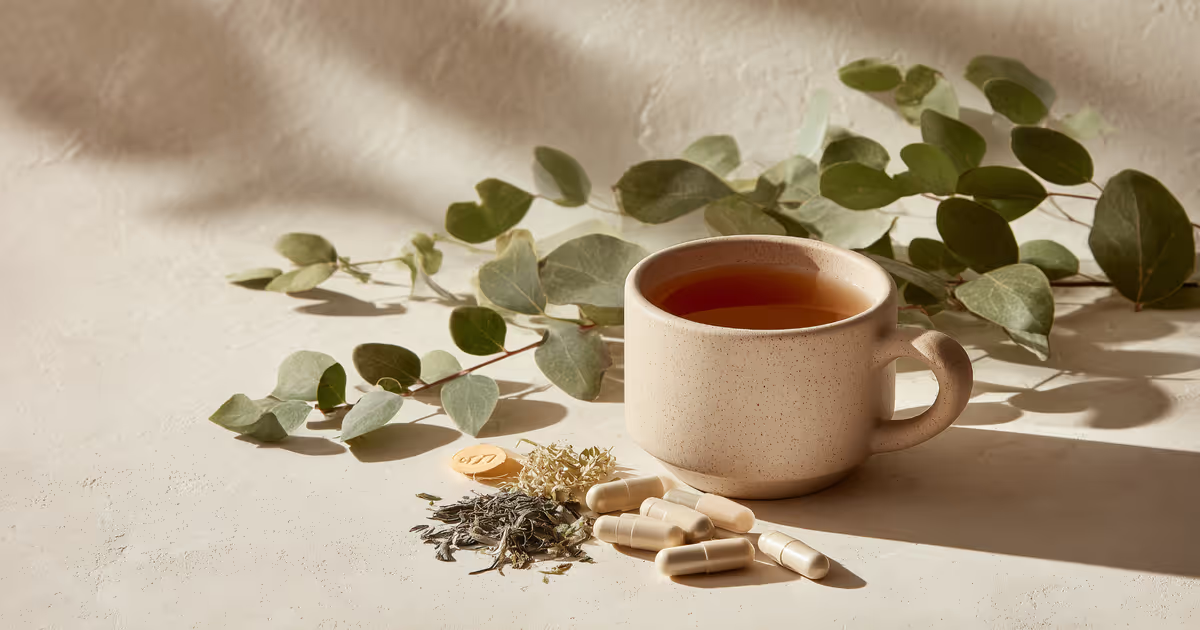
Herbal supplements are widely used in wellness routines for goals such as energy, mood, digestion, and sleep. They are generally marketed as dietary supplements, not as treatments. However, with growing interest comes the need for clarity around benefits, safety, quality, and informed decision-making.
This in-depth guide explores herbal supplements in a practical, evidence-aware, and consumer-focused way. It explains what they are, how they work in the body, what current research suggests, how they may interact with medications, and how to choose the right option responsibly.
What Is an Herbal Supplement?
An herbal supplement is a product made from plants or plant parts such as leaves, roots, seeds, bark, or flowers. These products may be used to support general health and wellness and are commonly available in forms such as capsules, powders, liquids, teas, or topical application.
Unlike conventional medicines, herbal products are often regulated and marketed as dietary supplements or complementary products (requirements vary by country), rather than approved treatments. They contain naturally occurring compounds that may have biological effects, depending on the herb and processing.
Herbal supplements are closely linked to traditional herbal medicine and herbal remedies, but modern formulations often involve concentrated herbal extracts designed for convenience and consistency.
Herbs and Supplements: How They Fit Into Modern Wellness
Herbs and supplements are often used as part of a broader lifestyle approach that includes balanced food intake, adequate sleep, movement, and stress management. Some people use herbal supplements alongside lifestyle changes or prescribed medicines, but this should be done cautiously because interactions can occur.
Current research suggests that certain herbs may support areas such as:
It is important to note that these uses focus on support rather than therapeutic claims.
What Are Examples of Herbal Supplements?

There are many herbal supplements available, each with different properties based on plant source and compounds.
Some commonly discussed examples include:
Each herb contains unique compounds, and effectiveness depends on dose, quality, and individual response.
How Herbal Supplements Work in the Body
Herbal supplements work through their active compounds, such as polyphenols, alkaloids, flavonoids, and essential oils. These compounds interact with the body’s systems in complex ways.
Factors influencing how they work include:
Unlike single-compound medicines, herbs contain multiple compounds that may work together, which is why effects can vary between individuals.
Benefits of Herbal Supplements: What Research Suggests

A growing body of new research, including several studies, systematic review papers, and meta analysis publications, has explored the potential benefits of herbal supplements.
Current research suggests potential support in areas such as:
Energy and Fatigue
Some herbs are studied for perceived energy and fatigue-related symptoms, supporting energy levels without relying on stimulants.
Mood and Stress
Certain herbal remedies are studied for perceived stress and mood support in everyday settings.
Sleep and Relaxation
Herbs traditionally linked to calming effects may support restful sleep and relaxation when used appropriately.
Digestion and Gut Comfort
Herbal supplements are widely used to support digestion, reduce bloating, and improve overall gut comfort.
Inflammation and Pain Support
Some herbs are studied for supporting general comfort and recovery after physical strain.
Evidence quality varies, and findings are often based on a single trial or limited sample sizes, highlighting the importance of cautious interpretation.
Herbal Supplements vs Prescription Medication
Herbal supplements are not the same as prescription medication. Prescription medicines are designed to treat specific conditions and undergo extensive clinical evaluation.
Herbal supplements, by contrast:
This distinction is essential when considering safety and expectations.
Herb Drug Interactions and Drug Interactions
One of the most important safety considerations is herb drug interactions. Herbal supplements can affect how drugs are absorbed, metabolised, or eliminated from the body.
Potential interactions may involve:
For example, some herbs may alter liver enzyme activity, which can change drug levels in the body. This highlights why healthcare professionals should be consulted before starting herbal supplements, especially when combined with prescribed medications.
Safety Considerations and Adverse Effects
While many people view herbal supplements as natural, “natural” does not automatically mean risk-free.
Possible safety concerns include:
High doses or long-term use without guidance may increase risks. People who are pregnant or breastfeeding, older adults, and those with medical conditions (especially liver or kidney disease) should take particular care.
Dosage, Form, and Processing Methods
Choosing an appropriate dose and form is important for safety and for achieving the product’s intended use.
Common forms include:
Processing methods influence potency and consistency. Standardised extracts may offer more predictable compound levels, while whole-plant products provide a broader range of compounds.
What Are the 5 Most Important Supplements to Take?
There is no universal list that applies to everyone. Supplement needs vary depending on diet, lifestyle, age, and individual goals.
That said, commonly discussed supplements across wellness research include:
Effectiveness depends on quality, dose, and suitability for the individual.
How to Choose the Right Herbal Supplement
When choosing herbal supplements, informed selection is essential.
Check Quality and Transparency
Look for clear labelling, ingredient lists, and information on processing methods.
Understand the Intended Use
Focus on wellness support rather than treatment claims. Avoid products that promise unrealistic results.
Review Evidence Carefully
A review of several studies is more reliable than claims based on a single trial.
Consider Interactions
Think about current medications, supplements, and food combinations.
Seek Professional Advice
Healthcare professionals can help assess suitability, especially for long-term use.
Combining Herbal Supplements With Diet and Lifestyle
Herbal supplements are most responsibly used alongside supportive habits:
Supplements should support, not replace, healthy lifestyle foundations.
Emerging Research and Future Directions
The emerging role of herbal supplements continues to attract scientific interest. New research is exploring improved extraction methods, compound combinations, and personalised approaches to supplementation.
As evidence grows, clearer guidance around safety, dosing, and appropriate use may become available, supporting more informed consumer choices.
Key Takeaways
Disclaimer
This article is for general informational purposes only and does not constitute medical advice. Herbal supplements are not intended to diagnose, treat, cure, or prevent any disease. Always consult qualified healthcare professionals before starting, stopping, or combining supplements, especially if you are taking prescribed medications, are pregnant, or have existing health concerns.
Join The Hub community. Subscribe today and receive a monthly email with our newest blogs and articles on health, wellness, and nutrition to keep you informed and inspired.
By signing up you agree to our User Agreement and Privacy Policy & Cookie Statement


Newsletter
By signing up you agree to our User Agreement and Privacy Policy & Cookie Statement
By accessing, browsing, or using this website (the “www.newimage.world/thehub”), you acknowledge and agree to the terms of this Disclaimer. The Website, including its blogs, podcasts, videos, and any other content (collectively, the “Content”), is operated by New Image™ International (“the Company,” “we,” “our,” or “us”).
All Content made available on this Website is provided strictly for general informational and educational purposes only. The Content does not constitute, and should not be relied upon as, medical advice, diagnosis, treatment, prescription, or professional health consultation of any kind.
The Company makes no representations or warranties regarding the accuracy, completeness, reliability, or timeliness of the Content. The Content may include information collected from external or third-party sources, and we do not independently verify such information. Accordingly, no nutritional, health, or wellness claims are endorsed, warranted, or guaranteed by the Company.
To the fullest extent permitted by applicable law:
Your use of the Website does not establish any doctor–patient, nutritionist–client, or other professional relationship between you and the Company or any of its representatives.
The Website may include references, links, or access to third-party websites, podcasts, or resources. The Company does not control, endorse, or assume any responsibility for such third-party content and shall not be held liable for any damages arising from your use of or reliance on it.
By clicking “Accept” on the Website’s pop-up disclaimer, you expressly acknowledge that you have read, understood, and agreed to be bound by this Disclaimer. Your continued use of the Website constitutes ongoing acceptance of these terms. If you no longer agree with this Disclaimer, you must immediately discontinue use of the Website.
Join The Hub community. Subscribe today and receive a monthly email with our newest blogs and articles on health, wellness, and nutrition to keep you informed and inspired.
By signing up you agree to our User Agreement and Privacy Policy & Cookie Statement














.webp)
.webp)