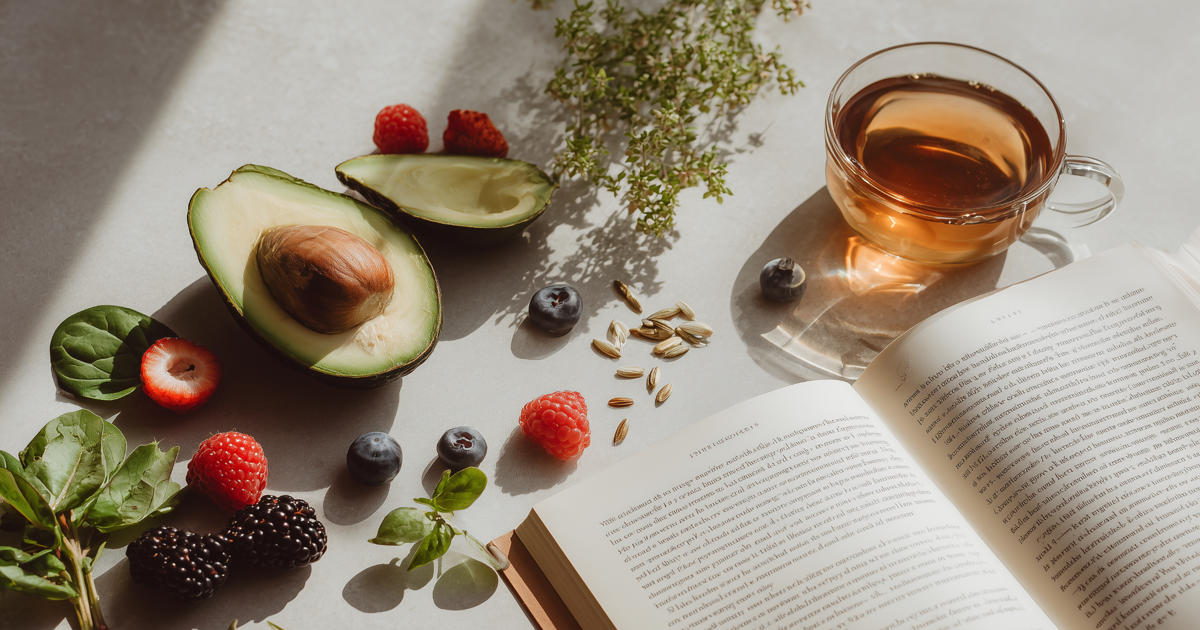
Holistic wellness focuses on the balance between the mind, body, and spirit, recognising that true wellbeing depends on more than physical health alone. It incorporates nutrition, lifestyle habits, and emotional stability to create harmony in daily living. This approach emphasises how food choices can affect mental, emotional, and physical wellbeing.
Holistic nutrition and wellness aim to nurture the whole person rather than treating isolated health concerns. By focusing on food quality, environmental context, and lifestyle choices, people can move toward better health and long-term balance.
At its core, holistic nutrition integrates the principles of nutrition science with lifestyle practices that support overall wellness. It considers not just what you eat, but also how, when, and why you eat. A holistic nutrition professional examines the full picture—physical activity, emotional wellbeing, sleep, stress management, and environmental aspects—to build an individualised plan for a healthier lifestyle.
Rather than relying solely on restrictive diets or quick fixes, holistic approaches encourage mindfulness, moderation, and nourishment through mostly whole, minimally processed foods that support day-to-day energy needs.
Nutrition plays a significant role in mental health and emotional wellbeing. Nutrient gaps, irregular eating, and high intakes of refined carbohydrates are associated with low mood and fatigue. A dietary pattern rich in complex carbohydrates, healthy fats, and essential vitamins supports normal nervous-system function and may help with mood and energy.
Holistic nutritionists recognise that the brain and body are interconnected. By focusing on whole, nutritious foods, such as fibre-rich foods and sources of beneficial bacteria, holistic dietary practices can improve digestion and mental clarity. Short chain fatty acids produced from these beneficial bacteria play roles in gut function and the gut–brain axis, with emerging evidence linking them to aspects of physical and mental health.
Holistic health is not just about preventing illness; it’s about achieving balance and harmony within the body. It focuses on promoting resilience, nurturing mental well-being, and supporting the body’s natural systems.
Holistic health practitioners and qualified nutrition professionals (e.g., registered dietitians or registered nutritionist) work with clients to identify patterns in eating habits, stress triggers, and lifestyle factors that may contribute to health problems or chronic health issues. Their goal is to guide individuals towards better health through sustainable and mindful choices.

A qualified nutrition professional takes a personalised approach to understanding health. They explore each individual’s health history, medical conditions, and daily routines to create balanced, nutrient-rich meal plans.
These professionals may also provide nutrition coaching, helping clients understand food groups, portion balance, and healthy diet principles. Their expertise extends beyond calorie counting—they help clients connect with food on a deeper level, supporting mental well being, emotional wellbeing, and physical health through education and self-awareness.
Holistic nutritionists often focus on whole foods, including fresh fruits, vegetables, whole grains, legumes, lean proteins, and healthy fats such as avocados, nuts, and seeds. They promote unprocessed foods that retain their natural nutrients, limiting added sugars and highly refined carbohydrates, which can increase calorie intake and displace nutrient-dense foods.
Typical meals might include fibre-rich foods like oats and chia seeds, complex carbohydrates such as quinoa and brown rice, and nutritious foods like leafy greens and berries, which contain essential antioxidants and vitamins. Hydration, mindful eating, and maintaining balanced meal timing are also core components of the holistic diet.
To achieve complete wellbeing, many holistic health coaching frameworks refer to six core pillars that influence overall health:
These pillars work in synergy to support long-term health and vitality.
Environmental aspects such as pollution, chemical exposure, and agricultural practices can impact overall wellness. A holistic nutritionist may encourage clients to consider where their food comes from and how it is produced.
Choosing locally grown produce, seasonal foods, and responsibly sourced ingredients helps reduce environmental strain and enhances food freshness. This mindful approach promotes sustainable eating, which supports the planet as well as personal well being.
Holistic health coaching and wellness coaching involve guiding individuals through gradual lifestyle transformations. Coaches offer tools and strategies to set wellness goals, develop positive lifestyle habits, and strengthen motivation.
Unlike standard dieting programs, wellness coaching addresses emotional triggers, mindset barriers, and stress-related patterns that influence eating behaviour. It’s about empowering clients to make informed, balanced decisions for a healthy life.
While holistic nutrition is rooted in traditional wisdom, it also aligns with nutrition science. Research indicates that dietary patterns emphasising minimally processed, nutrient-dense foods are associated with better energy levels and markers of general health, including aspects of immune and mental wellbeing.
Nutrition professionals often highlight the role of short chain fatty acids, produced when beneficial bacteria digest fibre. These compounds influence the gut–brain axis, supporting both physical health and mental well being. By understanding how the body utilises nutrients, holistic approaches blend science with intuitive eating principles.
Becoming a nutrition educator, registered dietitian, or other practitioner typically requires formal education and ongoing continuing education. Many professionals pursue additional qualifications, earning continuing education credits to expand their nutrition knowledge and coaching skills.
A holistic nutrition professional develops expertise not only in dietary planning but also in communication, motivational strategies, and behavioural change. This educational journey equips them to provide evidence-informed, person-centred care that respects individual preferences.
Holistic practitioners work alongside medical care for clients managing chronic conditions (e.g., high blood pressure), focusing on diet and lifestyle that complement clinical treatment. While not replacing medical treatment, dietary interventions and lifestyle adjustments can complement existing health plans.
For example, balanced food choices, consistent physical activity, and stress management can support cardiovascular wellbeing and overall vitality. However, it is important to remember that holistic health approaches focus on support and balance, not on therapeutic or curative claims.
Stress can significantly affect digestion, sleep, and emotional health. Effective stress management is vital in a holistic wellness routine. Simple techniques like deep breathing, journaling, stretching, or outdoor activities may help manage the body’s stress response and promote a sense of calm.
When paired with a holistic diet that provides consistent nourishment, these practices support mental wellbeing and overall health. Over time, this balance supports long-term health and greater resilience.

Nutrition coaching provides individuals with the tools to make better food decisions and to understand how each meal impacts energy and mood. Through holistic principles, coaches encourage gradual progress—such as increasing whole foods intake or reducing reliance on processed meals.
Coaches also help clients navigate food safety and nutrition information, ensuring that meal plans are balanced, achievable, and enjoyable. This practical, supportive approach creates sustainable change and encourages a healthy life.
A holistic diet values balance over restriction. It emphasises sustainable eating, which benefits both the individual and the environment. This means focusing on plant-forward meals, reducing food waste, and selecting minimally packaged goods where possible.
By making mindful food choices, individuals contribute to personal well being and the planet’s health simultaneously. The cumulative effect leads to improved overall wellness and a more conscious relationship with the world.
Understanding nutrition labels helps individuals make informed choices. However, it’s essential to recognise the difference between nutrition content claims and health claims.
In some jurisdictions (e.g., FSANZ/ANZ), systems such as the Nutrient Profiling Scoring Criterion (NPSC) guide which products can carry certain claims.
Therapeutic claims—those suggesting prevention or treatment of disease—are prohibited to protect consumers from misleading information. Rules around new “added sugars” claims include transition periods that allow industry adjustment while maintaining transparency.
These frameworks ensure consistency across nutrition communications and help uphold integrity within food and supplement industries. Independence in endorsements also plays a vital role, ensuring that professionals provide unbiased guidance.
A holistic approach doesn’t mean giving up favourite foods or adopting rigid routines. It’s about finding balance—listening to your body, enjoying healthy meals, and prioritising rest.
By focusing on whole foods, maintaining consistent physical activity, and nurturing mental well being, individuals can build a strong foundation for better health over the long term. Small, intentional changes often lead to significant results over time.
Holistic wellness is a lifelong journey rather than a quick fix. By nourishing the body with natural foods, fostering positive mental habits, and honouring the connection between mind and body, individuals can achieve balance and optimal health.
When guided by holistic nutritionists and supported by practical, evidence-informed strategies, this approach empowers people to live with purpose, energy, and inner harmony.
This article is for informational purposes only and is not intended as medical advice. Always consult a qualified healthcare or nutrition professional before making significant dietary or lifestyle changes, particularly if you have existing medical conditions or are taking medication.

Join The Hub community. Subscribe today and receive a monthly email with our newest blogs and articles on health, wellness, and nutrition to keep you informed and inspired.
By signing up you agree to our User Agreement and Privacy Policy & Cookie Statement


Newsletter
By signing up you agree to our User Agreement and Privacy Policy & Cookie Statement
By accessing, browsing, or using this website (the “www.newimage.world/thehub”), you acknowledge and agree to the terms of this Disclaimer. The Website, including its blogs, podcasts, videos, and any other content (collectively, the “Content”), is operated by New Image™ International (“the Company,” “we,” “our,” or “us”).
All Content made available on this Website is provided strictly for general informational and educational purposes only. The Content does not constitute, and should not be relied upon as, medical advice, diagnosis, treatment, prescription, or professional health consultation of any kind.
The Company makes no representations or warranties regarding the accuracy, completeness, reliability, or timeliness of the Content. The Content may include information collected from external or third-party sources, and we do not independently verify such information. Accordingly, no nutritional, health, or wellness claims are endorsed, warranted, or guaranteed by the Company.
To the fullest extent permitted by applicable law:
Your use of the Website does not establish any doctor–patient, nutritionist–client, or other professional relationship between you and the Company or any of its representatives.
The Website may include references, links, or access to third-party websites, podcasts, or resources. The Company does not control, endorse, or assume any responsibility for such third-party content and shall not be held liable for any damages arising from your use of or reliance on it.
By clicking “Accept” on the Website’s pop-up disclaimer, you expressly acknowledge that you have read, understood, and agreed to be bound by this Disclaimer. Your continued use of the Website constitutes ongoing acceptance of these terms. If you no longer agree with this Disclaimer, you must immediately discontinue use of the Website.
Join The Hub community. Subscribe today and receive a monthly email with our newest blogs and articles on health, wellness, and nutrition to keep you informed and inspired.
By signing up you agree to our User Agreement and Privacy Policy & Cookie Statement













.webp)
.webp)