
Choosing between whey protein and plant based protein can feel overwhelming when you’re staring at rows of tubs in a supplement store. Both promise muscle gains, recovery, and convenient nutrition, but they’re not interchangeable. This guide breaks down the real differences between these two popular protein sources so you can make an informed choice based on your body, goals, and values.
Quick answer: whey vs plant protein at a glance
Here’s the straightforward truth: whey protein is ideal for fast muscle recovery and delivers high leucine content for maximum muscle protein synthesis. Plant based protein wins for sustainability, gut-friendliness, and inclusivity for those avoiding dairy. Both can build muscle effectively when your total protein intake is adequate and your training is consistent.
Key differences at a glance:
If you tolerate dairy and want maximum post-workout punch, start with whey. If you’re dairy-free or focusing on long-term health and sustainability, start with a blended plant protein.
What is whey protein?
Whey is the fast-digesting protein fraction of cow’s milk, making up about 20% of milk protein (the other 80% is casein). It became widely used as a protein supplement from the 1990s onward, evolving from a cheese production byproduct into the most researched sports nutrition ingredient on the market.
Whey is considered a “gold standard” high quality protein for several reasons:
Most whey protein powder products come in tubs or sachets, with common serving sizes around 25–30g providing approximately 20–24g of protein. This makes calculating how much protein you’re getting straightforward.
The main limitation: whey comes from dairy, making it unsuitable for vegans and potentially problematic for people with milk allergies or those who are lactose intolerant.
How is whey protein made?

Whey originates as liquid whey left over during cheese production. When milk is treated with enzymes to separate curds (which become cheese) from liquid, that liquid is whey. Manufacturers then filter and dry this liquid whey into the powder form you find in shops.
The basic process works like this:
Further processing creates different forms of whey with distinct purity and lactose levels. Microfiltration, ion exchange, and enzymatic hydrolysis can produce concentrate, isolate, and hydrolysate versions respectively.
Manufacturing quality matters significantly. Low-heat processing preserves protein integrity, while clean ingredient lists without excessive fillers improve both taste and mixability. Premium products often cost more, but the difference in digestive comfort and protein quality can be worth it.
Types of whey protein
There are three main forms of whey on the market: whey protein concentrate (WPC), whey protein isolate (WPI), and whey protein hydrolysate (WPH). Each varies in protein percentage, lactose content, and price.
Whey Protein Concentrate (WPC)
Whey Protein Isolate (WPI)
Whey Protein Hydrolysate (WPH)
Most fitness enthusiasts in 2024 still use either WPC or WPI as their main protein powder due to cost, availability, and the marginal real-world difference between forms for typical training goals.
What is plant based protein?
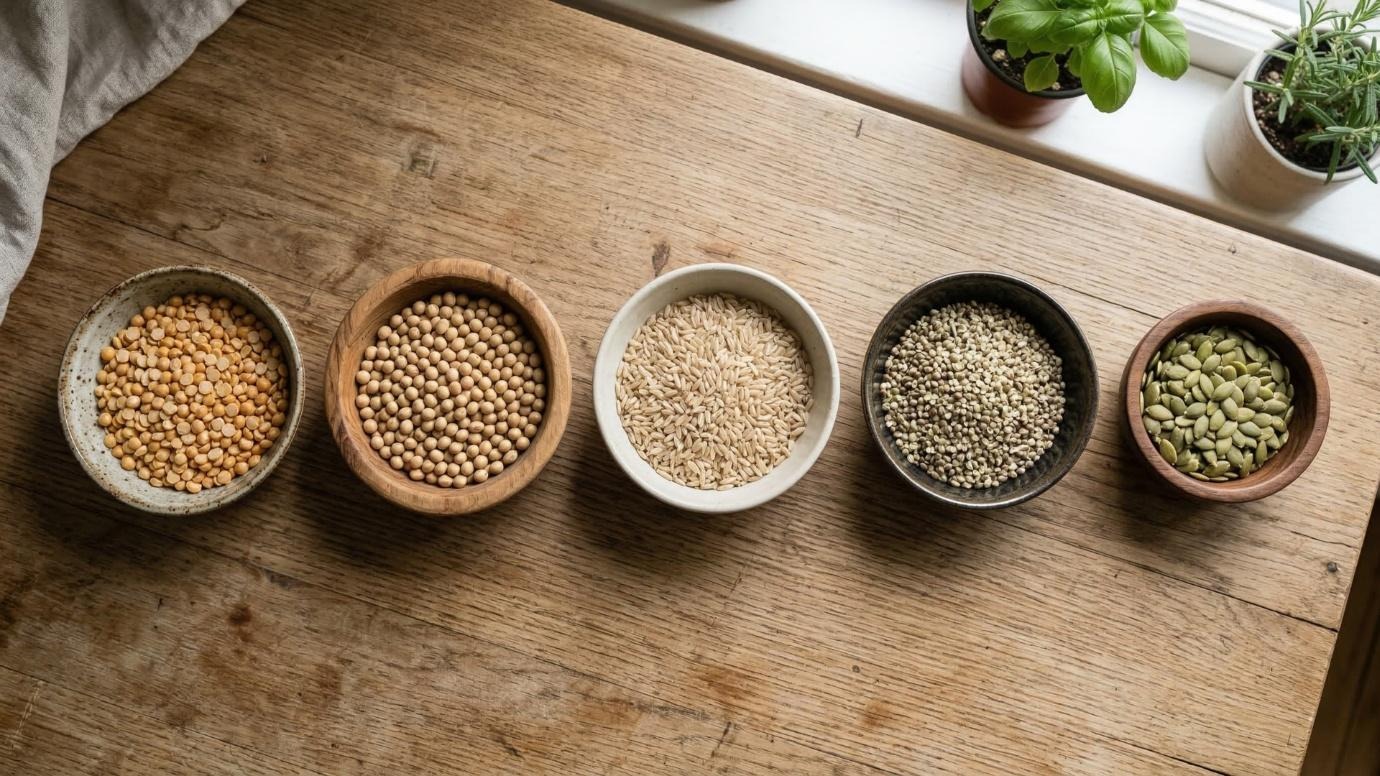
Plant based protein powders are made from protein-rich plants such as peas, soy, brown rice, hemp, pumpkin seeds, and other sources. They’ve grown increasingly popular since around 2015 alongside the rise of vegan and flexitarian diets.
Individual plant based proteins are often incomplete, meaning they’re low in one or more essential amino acids. However, blends combining different plant proteins (like pea protein and rice protein together) can provide a complete amino acid profile comparable to whey.
Common plant protein sources include:
Most plant based protein powders are naturally lactose free and contain no dairy, making them suitable for vegans, people with milk allergies, and those with lactose intolerance. Many consumers also choose plant based protein powder for ethical reasons or to reduce their environmental impact.
Key types of plant based protein powder
Modern plant protein powders are often blends, but understanding single-ingredient types helps you evaluate products more effectively. Each has distinct strengths and weaknesses that affect muscle building potential and overall nutrition.
Pea Protein Powder
Soy Protein
Brown Rice Protein
Hemp Protein
Newer blends often include other plant proteins like pumpkin seed, chia, or quinoa to improve the complete amino acid profile and taste. When shopping, look for products that combine complementary sources.
Amino acid profile: complete vs incomplete
A “complete protein” contains all nine essential amino acids in adequate amounts for human nutrition. Your body can’t produce these amino acids, so you must get them from food. This matters because your muscles need all essential amino acids present simultaneously to maximally support muscle growth and repair.
Here’s how whey and plant compare:
Multiple studies from 2015–2023 demonstrate that a pea + rice blend, when matched for total protein and leucine content, can build muscle just as effectively as whey in resistance-trained adults. One peer-reviewed study with trained futsal players found no significant difference in body composition, strength, or performance over 8 weeks between whey and plant protein groups.
The practical takeaway: total daily protein intake and leucine per serving (aim for 2–3g leucine per 25–30g protein) matter more than whether your protein comes from animal protein or plants, provided the amino acid profile is complete.
Digestibility and gut health
Digestibility and gastrointestinal comfort are major reasons people switch between whey and plant proteins. What works for your training partner might leave you bloated and uncomfortable.
Digestibility scores:
Lactose and dairy concerns:
Plant protein and digestion:
Practical tip: Try single-serving sachets or small tubs before committing to a large container. If you experience discomfort, adjust your serving size, try a different type (e.g., switch from concentrate to isolate), or add the powder to food rather than drinking it as a shake.
Muscle growth and workout recovery

Building muscle depends primarily on three factors: resistance training, total daily protein intake, and consuming enough high-quality protein around your workouts. Both whey protein and plant protein can effectively support muscle growth when these fundamentals are in place.
Whey’s advantages for recovery:
Plant protein performance:
Practical example:
A 75 kg lifter aiming to maximise muscle recovery might consume 25–35g of protein from either whey or a plant blend within 2 hours of training, plus balanced protein across the rest of the day. Total daily targets typically range from 1.4–2.0g protein per kg of body weight for active individuals.
For recreational lifters and endurance athletes, the real-world difference between whey and a quality plant blend is usually minimal when overall diet and training consistency are on point. Choose the type you can take consistently, digest well, and afford.
Health benefits beyond muscle
Both whey protein and plant based protein affect more than just your muscles. They can influence appetite, blood markers, and long-term overall health in distinct ways.
Health benefits of whey protein :
Additional health benefits of plant protein:
Important context:
Both protein types work best as part of a healthy diet and balanced diet built primarily on whole foods. Protein powders are dietary supplements, they complement meals, they don’t replace them. A scoop of powder can’t replicate the full nutritional complexity of a meal containing protein sources alongside vegetables, healthy fats, and whole grains.
Environmental impact and ethics

The whey protein vs plant protein discussion extends beyond physiology—it also involves environmental footprint and animal ethics, which matter increasingly to consumers.
Environmental considerations:
Ethical factors:
Nuance matters:
Sustainability varies significantly by brand and region. High-welfare, pasture-based dairy from temperate climates can have a lighter footprint than industrial feedlot operations. Meanwhile, “plant-based” isn’t automatically perfect if production involves deforestation, monocropping, or extensive international shipping.
Look for brand transparency about sourcing. Some companies now include carbon footprint information on labels or websites. If environmental impact drives your protein choice, research specific brands rather than making assumptions based on protein type alone.
How to choose: whey protein or plant protein for your goals
The “best” protein depends on your individual goals, dietary restrictions, budget, and how your body responds to each type. There’s no universally superior option—only what works best for you.
Choose mainly whey protein if:
Choose mainly plant based protein powder if:
Consider alternating or mixing types if:
Daily protein guidance:
Active individuals typically need 1.4–2.0g of protein per kg of body weight. One or two scoops of any quality protein powder usually just “tops up” what you get from meals—it doesn’t replace whole food protein sources.
Example: A 65 kg runner might target 90–110g daily protein, using one 25–30g shake plus protein from whole-food meals like eggs, legumes, fish, or tofu.
Your decision checklist:
Practical factors: budget, ingredients, and taste
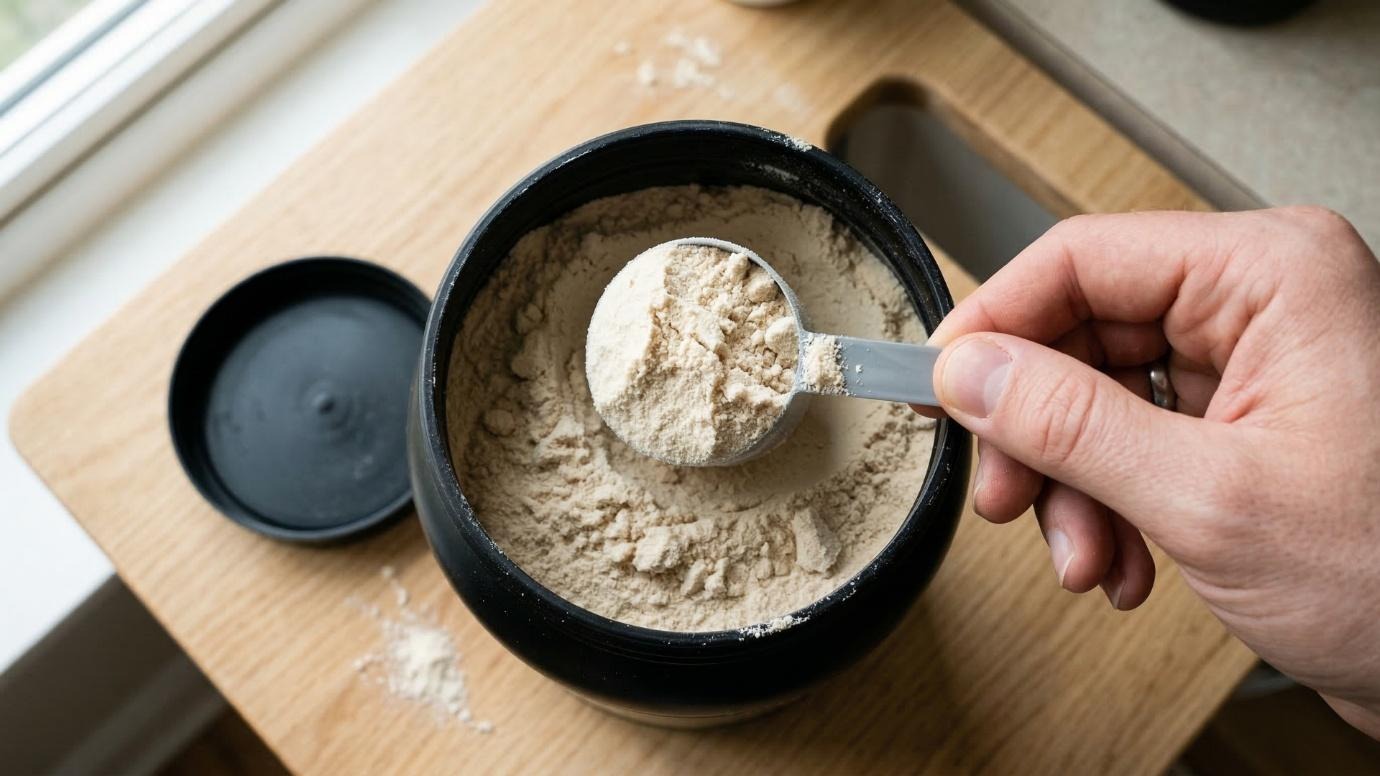
Beyond the science, most people stick with the protein that fits their wallet, tastes acceptable, and doesn’t cause digestive distress. These practical factors often determine long-term adherence more than marginal differences in amino acid profiles.
Budget considerations:
Ingredient quality checklist:
Flavour and texture notes:
Test before committing: Most brands offer sample packs or single-serving sachets. Try 2–3 options before buying a large tub, especially when switching to a new plant blend.
Frequently asked questions
Is plant protein as effective as whey protein for building muscle?
Yes, when formulated properly. Well-designed blends combining pea and rice protein at 25–35g per serving can match whey protein for muscle growth outcomes. The key factors are total daily protein intake, adequate leucine per serving (2–3g), and consistent resistance training. Studies comparing trained athletes show comparable results over 8–12 week periods.
Can I mix whey protein and plant protein in the same day?
Absolutely. Many people use whey protein post-workout for rapid absorption and plant protein in a morning smoothie or evening shake for variety. There’s no physiological reason to avoid combining both whey protein and plant protein in your routine. Some athletes find this approach offers unique benefits from each source.
Is plant protein harder on digestion?
Not necessarily—many people actually find plant blends easier because they’re naturally lactose free. However, some individuals experience gas or bloating from legume-based proteins like pea. If you’re sensitive, look for products with added digestive enzymes, or try soy or rice-based options. Your digestive system may also adapt with consistent use over 1–2 weeks.
Can I take protein powder every day?
Yes, for most healthy adults. Protein powders are simply concentrated food, they’re not inherently different from eating protein-rich meals. The key is staying within your overall protein targets and using powders as a protein supplement to complement, not replace, real food. If you’re getting adequate protein from meals, daily powder isn’t mandatory.
Which is better for weight loss: whey protein or plant?
Both protein for weight loss when they increase satiety and help maintain a calorie deficit. Higher fibre content in some plant blends may help certain people feel fuller longer. Whey’s rapid absorption can reduce hunger quickly post-workout. The best choice is whichever helps you stick to your nutrition plan consistently while providing fewer calories than the snacks it replaces.
Do I need to worry about heavy metals in plant protein?
It’s worth considering. One study by the Clean Label Project found that 75% of leading plant based protein powders contained measurable lead levels, with organic products actually testing higher for some contaminants. Choose brands that provide independent third-party testing results and be cautious of extremely cheap options. Quality manufacturing matters.
How much protein do I actually need from powder?
This depends on your total daily protein needs and diet. If you’re eating 1.6–2.0g protein per kg bodyweight from meals, you may not need much—or any—powder. Most people use 1–2 servings daily to conveniently hit their targets. A viable alternative to protein shakes is simply eating more whole-food protein sources throughout the day.
Conclusion: finding the right protein for you
The whey protein vs plant protein debate doesn’t have a universal winner. Here’s what matters:
The best protein powder is one you’ll actually use consistently. It should fit your budget, agree with your digestive system, align with your dietary restrictions, and taste good enough that you don’t dread drinking it.
Pick the protein you’ll actually use consistently, build the rest of your diet around whole foods, and let time and training do the rest.
Disclaimer
This article is for general informational purposes only and does not replace personalised medical advice. Feeding decisions should always be made in consultation with a qualified healthcare provider. Every baby is unique, and individual circumstances may vary.

Join The Hub community. Subscribe today and receive a monthly email with our newest blogs and articles on health, wellness, and nutrition to keep you informed and inspired.
By signing up you agree to our User Agreement and Privacy Policy & Cookie Statement


Newsletter
By signing up you agree to our User Agreement and Privacy Policy & Cookie Statement
By accessing, browsing, or using this website (the “www.newimage.world/thehub”), you acknowledge and agree to the terms of this Disclaimer. The Website, including its blogs, podcasts, videos, and any other content (collectively, the “Content”), is operated by New Image™ International (“the Company,” “we,” “our,” or “us”).
All Content made available on this Website is provided strictly for general informational and educational purposes only. The Content does not constitute, and should not be relied upon as, medical advice, diagnosis, treatment, prescription, or professional health consultation of any kind.
The Company makes no representations or warranties regarding the accuracy, completeness, reliability, or timeliness of the Content. The Content may include information collected from external or third-party sources, and we do not independently verify such information. Accordingly, no nutritional, health, or wellness claims are endorsed, warranted, or guaranteed by the Company.
To the fullest extent permitted by applicable law:
Your use of the Website does not establish any doctor–patient, nutritionist–client, or other professional relationship between you and the Company or any of its representatives.
The Website may include references, links, or access to third-party websites, podcasts, or resources. The Company does not control, endorse, or assume any responsibility for such third-party content and shall not be held liable for any damages arising from your use of or reliance on it.
By clicking “Accept” on the Website’s pop-up disclaimer, you expressly acknowledge that you have read, understood, and agreed to be bound by this Disclaimer. Your continued use of the Website constitutes ongoing acceptance of these terms. If you no longer agree with this Disclaimer, you must immediately discontinue use of the Website.
Join The Hub community. Subscribe today and receive a monthly email with our newest blogs and articles on health, wellness, and nutrition to keep you informed and inspired.
By signing up you agree to our User Agreement and Privacy Policy & Cookie Statement
















.webp)
.webp)