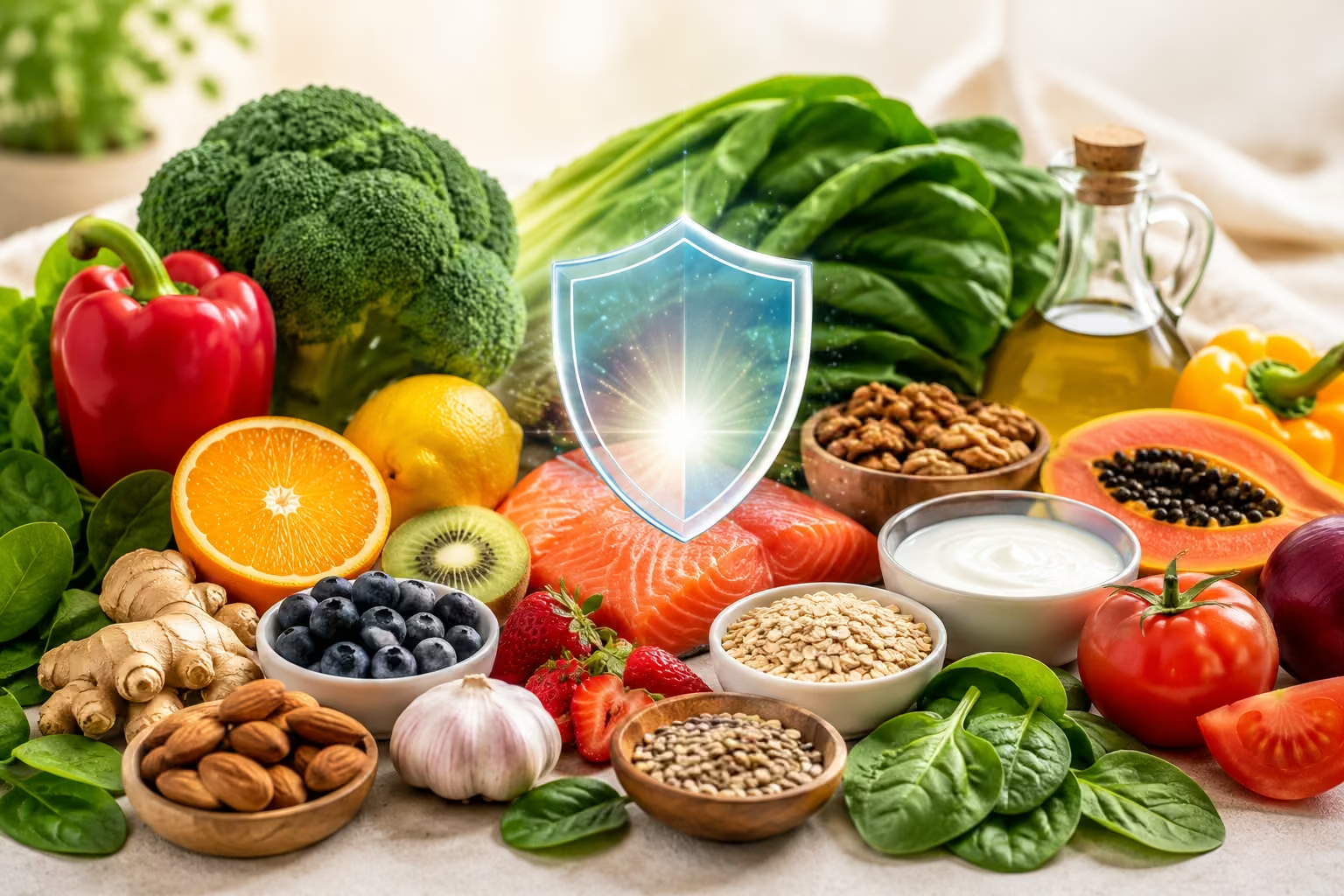
The relationship between nutrition for body defence system and overall wellbeing continues to receive increasing attention as research explores how everyday food choices influence the body's natural processes. While many factors contribute to maintaining a healthy lifestyle, nutrition plays a key role in supporting the body's natural defence system by providing the essential nutrients needed for normal immune function.
The immune system is a complex network made up of specialised immune cells, tissues, organs, and signalling molecules that work together to respond to foreign invaders while maintaining balance within the body. Rather than relying on special foods or individual nutrients alone, current research suggests that an individual's diet, combined with adequate sleep, regular physical activity, and overall healthy habits, contributes to maintaining a healthy immune system.
A balanced diet provides proteins, carbohydrates, healthy fats, vitamins, minerals, fibre, and other compounds that help support normal physiological functions. Immune cells require energy, amino acids, vitamins, and minerals as the building blocks for their production, activation, and ongoing immune activity. When nutrient deficiencies occur, normal immune function may be affected, highlighting the importance of meeting daily nutrient needs through varied and nutritious foods.
Another important area of research focuses on gut health. Around 70% of the body's immune system is located in the gut, making it one of the primary sites of immune activity. A healthy digestive environment supports beneficial gut bacteria, maintains the gut barrier, and contributes to normal immune response. This highlights why nutrition for body defence system involves much more than individual vitamins—it includes the quality and diversity of the overall diet.
This article explores how balanced nutrition supports the body's natural defence system, the nutrients involved in supporting immune function, and practical dietary habits that contribute to overall well being.
The body's immune system consists of multiple layers that work together to help maintain normal body functions. These include physical barriers such as the skin and mucosal linings, specialised white blood cells, signalling molecules, and highly organised defence mechanisms.
Scientists generally describe immunity as consisting of innate immunity and the adaptive system.
Maintaining both parts of the immune system requires adequate nutritional support because immune cells are continuously produced, activated, and replaced.
Current research suggests that nutrition helps the immune system function normally and efficiently by supplying the proteins, vitamins, minerals, and healthy dietary fats needed throughout life.
It is also recognised that many factors influence immune function, including:
This demonstrates why maintaining a strong immune system depends on a combination of lifestyle habits and is not just diet alone.
Every day, the body requires a continuous supply of nutrients to maintain normal biological processes. The nutrition for body defence system approach focuses on providing these nutrients consistently rather than relying on occasional dietary changes.
Research indicates that immune cells require energy, proteins, vitamins and minerals for production and activation. Without sufficient intake of these nutrients, normal immune activity may become less efficient.
Several nutrients contribute to supporting immune function, including:
A varied balanced diet helps provide these nutrients naturally.
Current evidence also suggests that adequate nutrition prevents deficiencies that weaken the body's defenses. This does not mean any single nutrient will boost immunity, but rather that meeting daily nutritional requirements helps support normal physiological processes involved in maintaining a healthy immune system.
Consuming balanced meals that include plant foods, plant and animal foods, whole grains, legumes, nuts, seeds, dairy or suitable alternatives, seafood, and lean meats provides a broad range of nutrients needed throughout life.
One of the most exciting areas of nutrition research focuses on gut health.
Approximately 70% of the immune system is located in the gut, making the digestive tract one of the body's largest centres of immune activity.
The digestive system contains trillions of microorganisms collectively known as the gut microbiota or gut bacteria. These microorganisms help maintain digestive balance while also interacting with immune cells.
Research suggests that healthy gut microbiota may contribute to:
A high-fibre diet encourages beneficial gut microbes. During fibre fermentation, gut microbes produce short chain fatty acids, which current research suggests may help stimulate immune cells and support normal immune function.
Dietary diversity also appears important.
Research has observed that a diverse diet enhances gut microbiota diversity and immune response. Eating a wide variety of fruits, vegetables, legumes, whole grains, nuts, seeds, herbs, and fermented foods helps nourish beneficial microorganisms.
Similarly, probiotic-rich foods help maintain a healthy gut, while prebiotic fibres found in many plant foods provide nourishment for beneficial microbes.
These findings highlight why nutrition for body defence system extends beyond individual nutrients and includes overall dietary patterns.
A wide variety of vitamins and minerals contribute to normal immune function by supporting different aspects of the body's natural defence system.
Vitamin C contributes to normal immune response and helps maintain cells involved in natural defence. Current research also suggests that it plays a role in reducing normal inflammatory processes associated with everyday physiological activity.
Good dietary sources include:
A balanced diet rich in fruits and vegetables provides essential vitamins and minerals, making regular intake more achievable.
Vitamin D contributes to normal immune function and plays a role in regulating T cells.
Current research suggests that vitamin D levels drop significantly during winter months, and a deficiency in vitamin D may impair immune function.
For some individuals, vitamin D supplementation may be considered after professional assessment of nutritional needs.
Natural dietary sources include:
Sunlight exposure also contributes to natural vitamin D production depending on lifestyle and environmental conditions.
Zinc plays an important role in immune cell development and normal immune activity.
Research has highlighted that one in four people are deficient in zinc, demonstrating the importance of adequate intake from everyday foods.
Dietary sources include:
Some research has explored zinc lozenges, with observations suggesting they may shorten the duration of the common cold under certain conditions. However, this should not be interpreted as a treatment recommendation.
Vitamin A contributes to maintaining physical barriers such as the skin and mucosal linings while supporting normal antibody production and immune response.
Meanwhile, B vitamins, including folic acid, assist numerous metabolic processes that help produce healthy white blood cells and other immune cells.
Together, these nutrients illustrate why obtaining a wide range of essential nutrients through everyday eating patterns is fundamental to maintaining a healthy immune system.
While individual nutrients are important, current research suggests that overall dietary patterns have a greater influence on supporting immune function than focusing on single foods. A varied diet provides the wide range of nutrients required to maintain normal immune function throughout different life stages.
A balanced diet should include a combination of:
Eating balanced meals regularly helps provide consistent energy and nutrients for immune cells, which require continuous nourishment for production and activation.
Research also suggests that eating at least five servings of vegetables each day contributes to overall dietary quality and supports a normal immune response through vitamins, minerals, fibre, and naturally occurring plant compounds.
A Mediterranean diet, characterised by vegetables, legumes, whole grains, seafood, nuts and olive oil, has also been associated with greater gut microbiota diversity. Current research suggests this pattern may contribute to healthy digestive function and normal immune activity through its variety of nutrient-rich foods.
Rather than relying on individual foods promoted for immune boosting, maintaining a consistent intake of nutritious foods across all food groups appears to be a more sustainable approach for supporting overall health and well being.
Proteins and fats are essential components of every cell in the body, including immune cells.
Proteins supply amino acids, which serve as the building blocks needed for growth, maintenance, and the normal production of immune-related cells. Good dietary sources include:
Healthy dietary fats also play a significant role in maintaining normal body functions.
Omega-3 fatty acids, found in fatty fish, walnuts, flaxseeds and chia seeds, have been studied for their role in helping regulate normal inflammatory processes within the immune system.
Likewise, healthy fats from avocados, nuts, seeds and olive oil contribute to a balanced dietary pattern.
Selenium is another essential nutrient involved in normal immune processes. Foods such as Brazil nuts naturally contain selenium, although portion sizes should remain moderate because selenium requirements are relatively small.
Choosing a variety of protein sources alongside beneficial fats helps ensure the body receives the nutrients required for maintaining normal immune function.
The foods consumed regularly can influence the body's nutritional status and overall immune function.
Current research suggests that dietary patterns high in processed foods and refined sugars may contribute to chronic inflammation, particularly when they replace nutrient-rich whole foods.
It has been reported that more than 40% of the modern diet consists of ultra-processed foods, while other dietary surveys have observed figures approaching 60% in different populations. These findings highlight how heavily processed food choices have become part of everyday eating habits.
Research also suggests that:
Replacing highly processed options with whole, minimally processed foods helps improve overall dietary quality.
Examples include:
Small, consistent improvements often have greater long-term value than making dramatic dietary changes for short periods.
Although nutrition for body defence system is important, maintaining a strong immune system depends on several lifestyle habits working together.
Current evidence suggests that maintaining a healthy lifestyle supports immune function effectively.
Important lifestyle considerations include:
Adequate sleep allows the body to carry out many normal restorative processes that support immune activity and overall wellbeing.
Moderate movement supports cardiovascular health, energy balance and overall health while complementing healthy eating habits.
Long-term stress may influence eating habits, sleep quality and general wellbeing, making balanced lifestyle practices increasingly important.
Environmental factors such as air pollution may place additional demands on normal physiological processes, highlighting the importance of maintaining good nutrition and healthy lifestyle habits.
As increasing age influences nutritional requirements and body composition, maintaining sufficient intake of protein, vitamins and minerals becomes increasingly important for meeting changing nutrient needs.
Some individuals may also experience a poorer appetite, making nutrient-dense meals particularly valuable.
These examples reinforce that maintaining the body's immune system involves many factors, with nutrition representing one important part of a broader healthy lifestyle.
An immune boosting diet is best viewed as a consistent pattern of balanced eating rather than focusing on a few special foods.
Practical strategies include:
Some people also enjoy a warm bowl of chicken soup, particularly during cooler weather. While chicken soup is a nourishing meal that contributes fluids, protein and vegetables when prepared with wholesome ingredients, current evidence suggests that its value comes primarily from its overall nutritional contribution rather than any unique immune-supporting property.
For individuals with identified nutritional needs, healthcare professionals may recommend vitamin supplements or vitamin D supplementation where appropriate. However, supplements are generally intended to complement rather than replace a varied, balanced eating pattern.
Nutrition supports many interconnected processes within the body, including the normal functioning of the immune system.
Research continues to explore how dietary patterns influence immune function, gut health, inflammation, and overall wellbeing. Current evidence suggests that a varied balanced diet containing fruits, vegetables, whole grains, legumes, healthy fats, quality protein sources and a wide range of vitamins and minerals helps provide the essential nutrients needed for maintaining normal physiological functions.
A healthy dietary pattern also supports beneficial gut bacteria, encourages production of short chain fatty acids, supplies nutrients needed by white blood cells and other immune cells, and contributes to maintaining the body's natural barriers.
Rather than focusing on isolated foods or short-term dietary trends, an overall pattern of balanced eating, regular physical activity, adequate sleep and healthy lifestyle habits appears to offer the greatest support for overall health and normal immune function.
As research continues to evolve, maintaining dietary variety and meeting daily nutritional requirements remain practical approaches to supporting the body's natural defence system throughout life.
This article is provided for general educational and informational purposes only. It is not intended to provide medical, nutritional or professional advice and should not be relied upon as a substitute for guidance from a qualified healthcare professional. Individual nutritional needs vary, and any dietary changes or use of supplements should be considered in consultation with an appropriate professional where required.

Join The Hub community. Subscribe today and receive a monthly email with our newest blogs and articles on health, wellness, and nutrition to keep you informed and inspired.
By signing up you agree to our User Agreement and Privacy Policy & Cookie Statement


Newsletter
By signing up you agree to our User Agreement and Privacy Policy & Cookie Statement
By accessing, browsing, or using this website (the “www.newimage.world/thehub”), you acknowledge and agree to the terms of this Disclaimer. The Website, including its blogs, podcasts, videos, and any other content (collectively, the “Content”), is operated by New Image™ International (“the Company,” “we,” “our,” or “us”).
All Content made available on this Website is provided strictly for general informational and educational purposes only. The Content does not constitute, and should not be relied upon as, medical advice, diagnosis, treatment, prescription, or professional health consultation of any kind.
The Company makes no representations or warranties regarding the accuracy, completeness, reliability, or timeliness of the Content. The Content may include information collected from external or third-party sources, and we do not independently verify such information. Accordingly, no nutritional, health, or wellness claims are endorsed, warranted, or guaranteed by the Company.
To the fullest extent permitted by applicable law:
Your use of the Website does not establish any doctor–patient, nutritionist–client, or other professional relationship between you and the Company or any of its representatives.
The Website may include references, links, or access to third-party websites, podcasts, or resources. The Company does not control, endorse, or assume any responsibility for such third-party content and shall not be held liable for any damages arising from your use of or reliance on it.
By clicking “Accept” on the Website’s pop-up disclaimer, you expressly acknowledge that you have read, understood, and agreed to be bound by this Disclaimer. Your continued use of the Website constitutes ongoing acceptance of these terms. If you no longer agree with this Disclaimer, you must immediately discontinue use of the Website.
Join The Hub community. Subscribe today and receive a monthly email with our newest blogs and articles on health, wellness, and nutrition to keep you informed and inspired.
By signing up you agree to our User Agreement and Privacy Policy & Cookie Statement















.webp)
.webp)