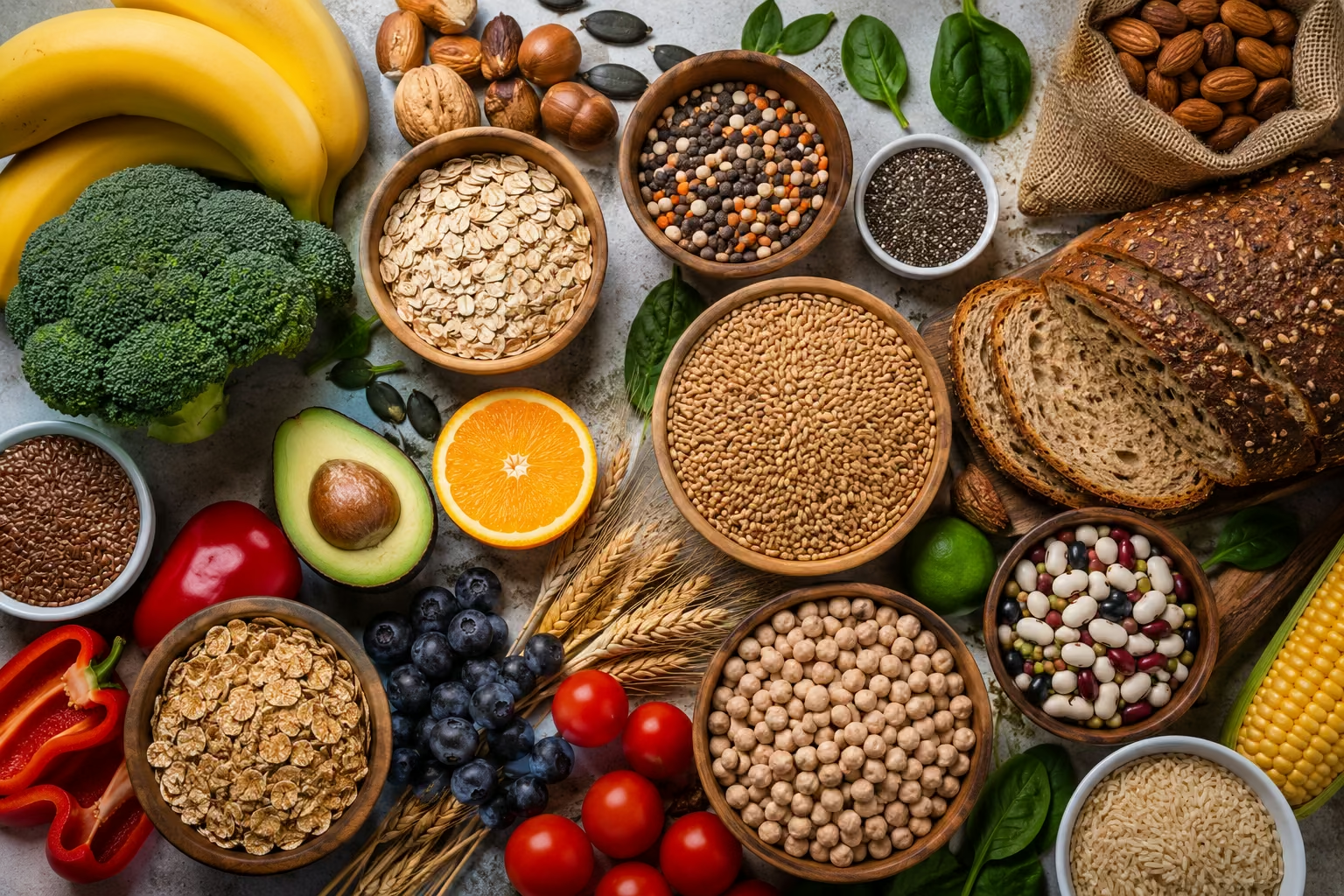
Many healthy adults focus on protein, vitamins, and hydration, yet fibre intake is often overlooked in the daily diet. Dietary fibre plays an important role in human nutrition and supports digestion, gut health, and overall wellbeing. Current research suggests that many adults do not consume enough fibre through foods such as fruit, vegetables, cereals, grains, beans, lentils, nuts, and seeds.
In the UK, healthy adults are generally advised to aim for around 30 grams of dietary fibre intake each day. However, average intake levels are often much lower, sitting closer to 18 grams daily. This means many people may not be getting enough fibre to support normal digestion and gastrointestinal health.
Children also require fibre as part of a balanced diet. Younger children aged 2–5 years are often advised to aim for approximately 15 grams daily, while primary school-aged children may require around 20 grams. Secondary school-aged children may benefit from closer to 25 grams per day.
A diet rich in fibre rich foods may contribute to many health benefits linked with gut health, digestion, and energy balance. Recent research suggests that adequate fibre intake may also support human health through effects on blood cholesterol, blood glucose, and gut bacteria.
Dietary fibre refers to plant-based carbohydrate components that are not fully digested in the small intestine. These fibres move through the digestive system and support the function of the large intestine and large bowel.
Fibre naturally occurs in plant cell walls and is found in foods such as:
There are several types of fibre, including soluble fibre, insoluble fibre, resistant starch, cellulose, and non starch polysaccharides. Each type contributes differently to digestion and gut function.
A high fibre diet usually includes a variety of foods rather than relying on one source alone. Eating more fibre from different plant foods may help create a more balanced daily diet.
Dietary fibre can broadly be divided into two main types of fibre: soluble fibre and insoluble fibre.
Soluble fibre dissolves in water and forms a gel-like texture during digestion. Foods containing soluble fibre include oats, beans, lentils, fruit, and some vegetables.
Current research suggests soluble fibres may help slow digestion and support more stable blood glucose levels after meals. Some forms of soluble fibre may also support healthy blood cholesterol levels as part of a balanced diet rich in whole foods.
Prebiotic fibres are another form of soluble fibre. These fibres help feed beneficial bacteria in the gut and may contribute to gut health and gastrointestinal health.
Insoluble fibre does not dissolve in water. Instead, it adds bulk and roughage to stool. Foods such as whole wheat products, wheat bran, nuts, seeds, and vegetables are useful sources.
Insoluble fibre draws water into the stool, helping maintain softer bowel movements. This supports regular digestion and may help reduce functional constipation and other gut symptoms linked with low fibre intake.
Low dietary fibre intake can affect digestion, energy levels, and general wellbeing. Signs are not always obvious at first, but several patterns may indicate that your fibre intake could be lower than recommended.
Constipation is one of the most common signs of insufficient fibre intake. Without enough fibre and fluids, stool may become harder and more difficult to pass.
Insoluble fibre helps create bulk in the digestive system, while soluble fibre helps maintain moisture balance. Drink plenty of fluids when increasing fibre, as fibre works best alongside adequate hydration.
High fibre foods are often more filling because they digest more slowly. Choosing foods rich in fibre may support fullness throughout the day.
Meals low in fibre may leave people feeling hungry more quickly, especially if the diet contains highly refined carbohydrate sources with limited roughage.
A balanced high fibre diet may support steadier energy levels through slower digestion and gradual release of carbohydrate. Current research suggests fibre rich foods may contribute to better overall nutrition patterns linked with energy balance and general wellbeing.
Some adults experience bloating, irregular bowel habits, or digestive discomfort when daily fibre intake is too low. Gut bacteria rely on fermentable fibres and resistant starch to produce short chain fatty acids that support gut function.
Recent research suggests that butyrate, one of the short chain fatty acids produced during fermentation, acts as an important energy source for colon cells and contributes to gut barrier integrity.
Gut health has become an important topic within human nutrition. Dietary fibre plays a major role in supporting bacteria living in the gut.
When fibre reaches the large intestine, bacteria ferment certain fibres and resistant starches. This process produces short chain fatty acids, including butyrate.
Current research suggests these compounds may contribute to gastrointestinal health and immune balance. An emerging role has also been observed between dietary fibre intake and broader aspects of human health.
A varied diet rich in fibre rich foods may help support beneficial gut bacteria diversity. Foods such as oats, lentils, beans, vegetables, fruit, nuts, and seeds all contribute different forms of fibre.
Many health benefits have been associated with adequate daily fibre intake as part of a balanced diet.
Recent research suggests higher fibre intake may be linked with:
Some studies published in journals such as Br J Nutr have also explored possible links between high fibre diet patterns and lower risk factors associated with chronic diseases, heart disease, bowel cancer, colon cancer, and large bowel health. However, these findings continue to be studied, and nutrition outcomes may vary between adults.
Higher fibre diets have also been associated with lower levels of systemic inflammation markers and support for general metabolic balance.
The recommended adequate intake of dietary fibre is commonly around:
Aim for at least 30 grams of daily fibre from whole foods where possible. A balanced daily diet should include a wide variety of plant foods rather than relying on supplements alone.
A food is often considered a good source of fibre if it contains at least 3 grams per serving. High-fibre foods generally contain 6 grams or more per 100 grams.
Reading food labels may help when choosing foods higher in dietary fibre.
If you want to increase your fibre intake, gradual changes are often easier to maintain.
Focus on fibre rich foods such as:
Wholemeal bread and legumes are useful ways to increase fibre intake without major meal changes.
A breakfast of two slices of wholemeal toast with peanut butter and a medium orange can provide approximately 8 grams of fibre.
A lunch containing wholemeal spaghetti with lentil and tomato sauce may offer around 11 grams of dietary fibre.
Adding beans, vegetables, oats, or seeds into meals may further increase your fibre intake throughout the day.
Simple snacks can contribute additional fibre, including:
Sudden increases in fibre may temporarily cause gut symptoms in some adults. Increasing fibre gradually while continuing to drink plenty of water may support more comfortable digestion.
When choosing foods, look for naturally fibre-rich options with minimal refining. Whole plant foods generally contain more dietary fibre because they retain more of their plant cell walls and cellulose.
Useful examples include:
Eating a variety of foods remains important because different fibres provide different nutritional properties and digestive functions.
Fibre intake plays an important role in digestion, gut health, and overall wellbeing. Despite this, many adults and children still consume less fibre than recommended in the daily diet.
Including more fibre rich foods such as vegetables, fruit, grains, oats, lentils, beans, nuts, and seeds may help support balanced nutrition and gastrointestinal health. Soluble fibre, insoluble fibre, resistant starch, and other dietary fibres all contribute differently within the digestive system.
Recent research continues to explore the relationship between dietary fibre intake, gut bacteria, blood glucose, blood cholesterol, and broader aspects of human health. Choosing a varied, balanced diet rich in whole foods remains one practical approach for supporting daily fibre intake.
This article is for general informational and educational purposes only. It is not intended to replace professional advice, diagnosis, or personalised nutrition guidance. Individual dietary needs may vary, and readers should seek appropriate guidance for specific concerns relating to health, diet, or wellbeing.
Join The Hub community. Subscribe today and receive a monthly email with our newest blogs and articles on health, wellness, and nutrition to keep you informed and inspired.
By signing up you agree to our User Agreement and Privacy Policy & Cookie Statement


Newsletter
By signing up you agree to our User Agreement and Privacy Policy & Cookie Statement
By accessing, browsing, or using this website (the “www.newimage.world/thehub”), you acknowledge and agree to the terms of this Disclaimer. The Website, including its blogs, podcasts, videos, and any other content (collectively, the “Content”), is operated by New Image™ International (“the Company,” “we,” “our,” or “us”).
All Content made available on this Website is provided strictly for general informational and educational purposes only. The Content does not constitute, and should not be relied upon as, medical advice, diagnosis, treatment, prescription, or professional health consultation of any kind.
The Company makes no representations or warranties regarding the accuracy, completeness, reliability, or timeliness of the Content. The Content may include information collected from external or third-party sources, and we do not independently verify such information. Accordingly, no nutritional, health, or wellness claims are endorsed, warranted, or guaranteed by the Company.
To the fullest extent permitted by applicable law:
Your use of the Website does not establish any doctor–patient, nutritionist–client, or other professional relationship between you and the Company or any of its representatives.
The Website may include references, links, or access to third-party websites, podcasts, or resources. The Company does not control, endorse, or assume any responsibility for such third-party content and shall not be held liable for any damages arising from your use of or reliance on it.
By clicking “Accept” on the Website’s pop-up disclaimer, you expressly acknowledge that you have read, understood, and agreed to be bound by this Disclaimer. Your continued use of the Website constitutes ongoing acceptance of these terms. If you no longer agree with this Disclaimer, you must immediately discontinue use of the Website.
Join The Hub community. Subscribe today and receive a monthly email with our newest blogs and articles on health, wellness, and nutrition to keep you informed and inspired.
By signing up you agree to our User Agreement and Privacy Policy & Cookie Statement



















.webp)
.webp)