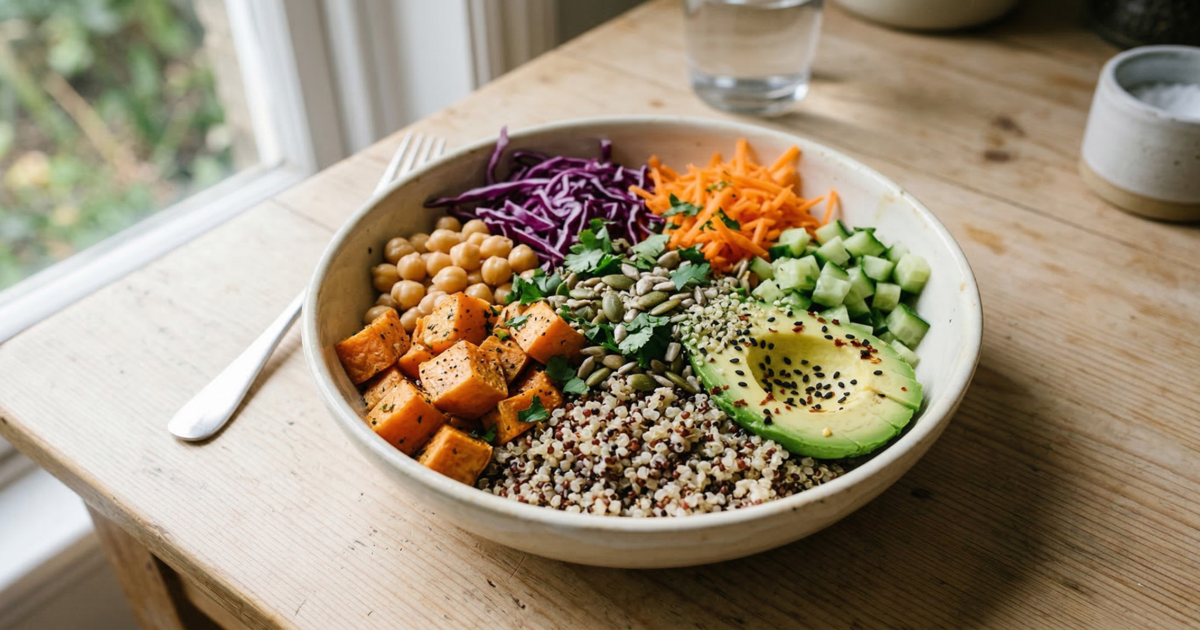
Your digestive system does far more than break down food. It houses trillions of microbes that influence everything from how you absorb nutrients to how well your immune system fights off illness. The state of your gut affects your energy levels, your mood, and even your long-term risk for chronic conditions.
The good news? You can start making a big difference today. This guide walks you through practical, evidence-based strategies to support gut health, from quick wins you can implement right now to deeper lifestyle shifts that create lasting change.
Quick start: 10 fast ways to support your gut today
Before diving into the science, let’s get practical. Your gut bacteria respond to what you eat and how you live surprisingly quickly, research shows changes in the microbiome can begin within 48–72 hours of shifting your habits. That means every meal is an opportunity.
Here are 10 things you can do starting right now:
Remember: even one day of better choices starts shifting things in the right direction. But long-term consistency is what creates lasting change.
What is gut health and why does it matter?
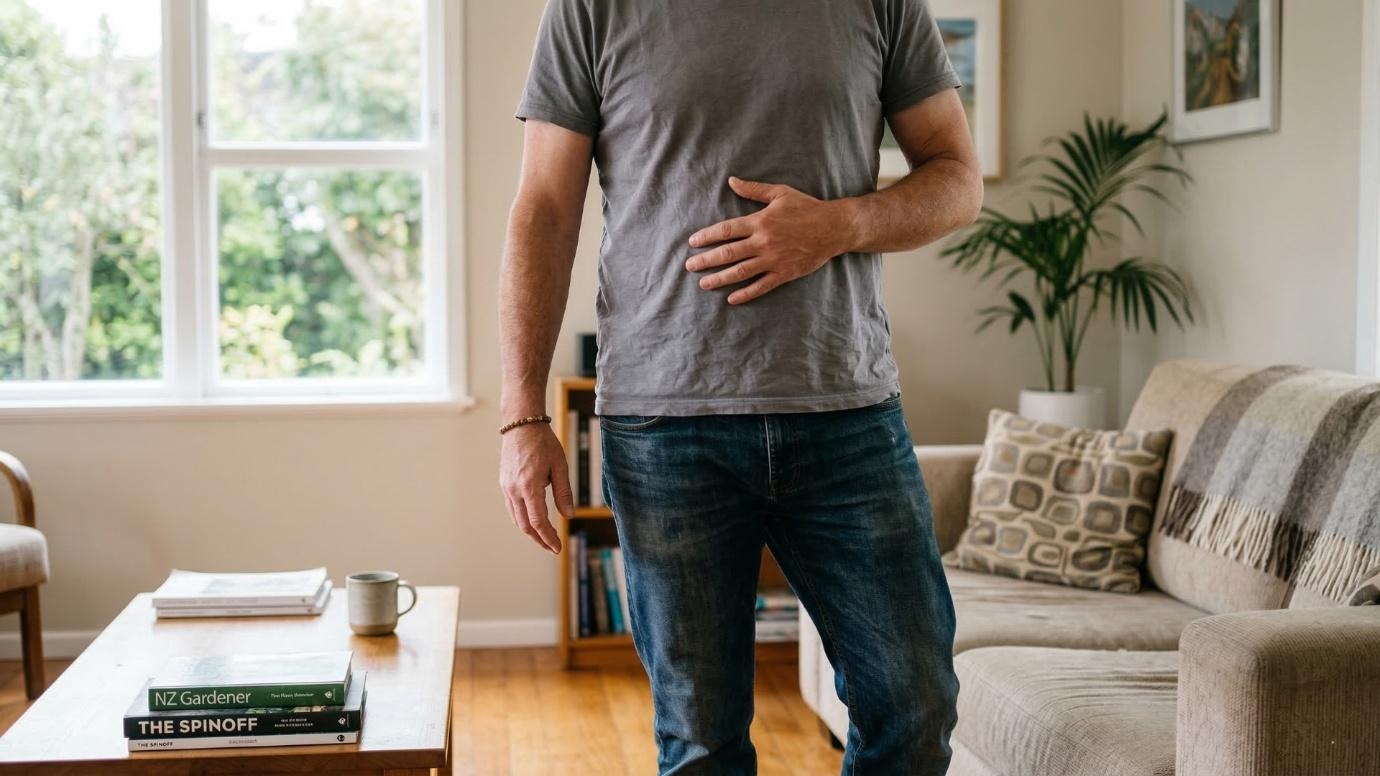
Gut health refers to the optimal functioning of your entire digestive tract, from the moment food enters your mouth to when waste leaves your body. But it’s about far more than just digestion. A healthy gut involves effective nutrient absorption, absence of distressing gastrointestinal symptoms, and a thriving community of microbes that support whole-body function.
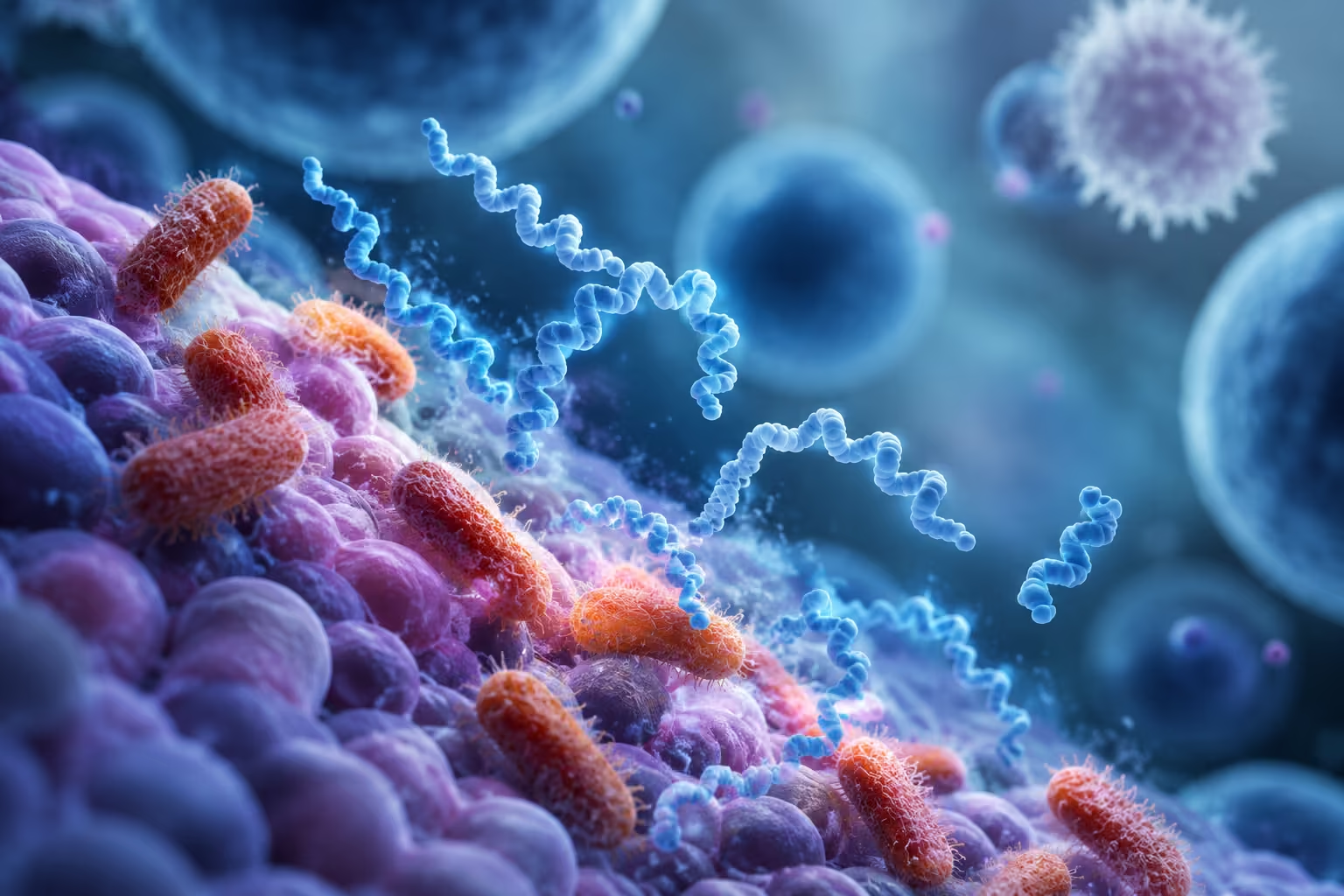
The term “gut microbiome” describes the vast ecosystem of bacteria, viruses, fungi, and other microorganisms living primarily in your large intestine. This microbial community weighs up to about 2 kg and contains more genes than the entire human genome. Think of your gut as a garden, what you feed it determines what grows.
Key roles of a healthy gut:
Research over the past 15 years has linked gut health to conditions including obesity, type 2 diabetes, inflammatory bowel disease, allergies, heart disease, and mood disorders. The evidence is clear: good gut health extends well beyond digestive comfort.
Importantly, a healthy digestive system isn’t just about the absence of symptoms. True good health means having a diverse, stable bacterial community and smooth communication between your gut, brain, and immune system.
Inside your gut microbiome
Microbes live throughout your digestive tract, but the real action happens in your large intestine. This is where bacterial diversity peaks and where most fermentation of dietary fiber occurs.
Your gut microbiota is as unique as your fingerprint. It’s shaped from the moment you’re born—by delivery mode, breastfeeding, early diet, antibiotic exposure, and your environment. By adulthood, you’ve developed a relatively stable microbial community, though it remains responsive to what you eat and how you live.
Types of gut microbes:
| Category | Description | Examples |
|---|---|---|
| Beneficial | Support digestion, immunity, and barrier function | Bifidobacterium, Lactobacillus, Faecalibacterium prausnitzii |
| Neutral | Present but neither helpful nor harmful in normal amounts | Various commensal species |
| Potentially harmful | Cause problems when overgrown or when barriers weaken | Certain Proteobacteria, opportunistic pathogens |
Diversity is key. A diverse microbiome—with many different varieties of beneficial bacteria—is generally linked to better resilience and lower disease risk. When diversity drops, you become more vulnerable to infections and inflammation.
Short-chain fatty acids: your gut’s secret weapon
When bacteria in your gut ferment dietary fibre, they produce short-chain fatty acids (SCFAs) including butyrate, acetate, and propionate. These compounds:
Modern lifestyles—with low fiber intake, high sugar consumption, frequent antibiotic use, and chronic stress—tend to reduce both microbial diversity and SCFA production. The typical Western diet provides far less than the recommended 25–30g of daily dietary fiber, and this has measurable consequences for the microbiome.
Signs your gut may be out of balance

“Dysbiosis” describes an imbalance in your gut microbes—not necessarily the presence of one specific harmful bug, but rather a shift away from a healthy, diverse community toward one dominated by less beneficial species.
Common digestive signs:
Systemic signs that may be linked to gut imbalance:
It’s important to note that these symptoms are non-specific. Many health conditions can cause similar issues. Gut health is one important factor, but not the only one.
When to seek immediate medical attention:

While at-home stool microbiome tests have become popular, their clinical utility is still evolving. They can provide interesting insights but should not replace professional evaluation if you’re experiencing concerning symptoms.
Gut-friendly nutrition: foods that help and foods that harm
Diet is the single most powerful modifiable factor for gut health. Your microbiome can begin shifting within just a few days of dietary changes—for better or worse. The goal isn’t finding one magical superfood; it’s building variety and ensuring adequate fiber intake.
Research suggests aiming for around 30 different plant foods per week to support a diverse microbiome. This might sound like a lot, but it includes fruits, vegetables, herbs, spices, nuts, seeds, legumes, and whole grains—variety adds up quickly.
Plant diversity: eat the rainbow
Colorful plant foods contain different polyphenols and fibers that feed different bacteria. A diverse range of plants means a diverse range of microbes.
Practical tips:
Fiber types: soluble and insoluble
Both types of dietary fibre matter:
High-fiber diets can boost SCFA production by up to 4-fold compared to low-fiber diets, and are associated with 15–25% lower risks of colorectal cancer and type 2 diabetes.
Prebiotic foods
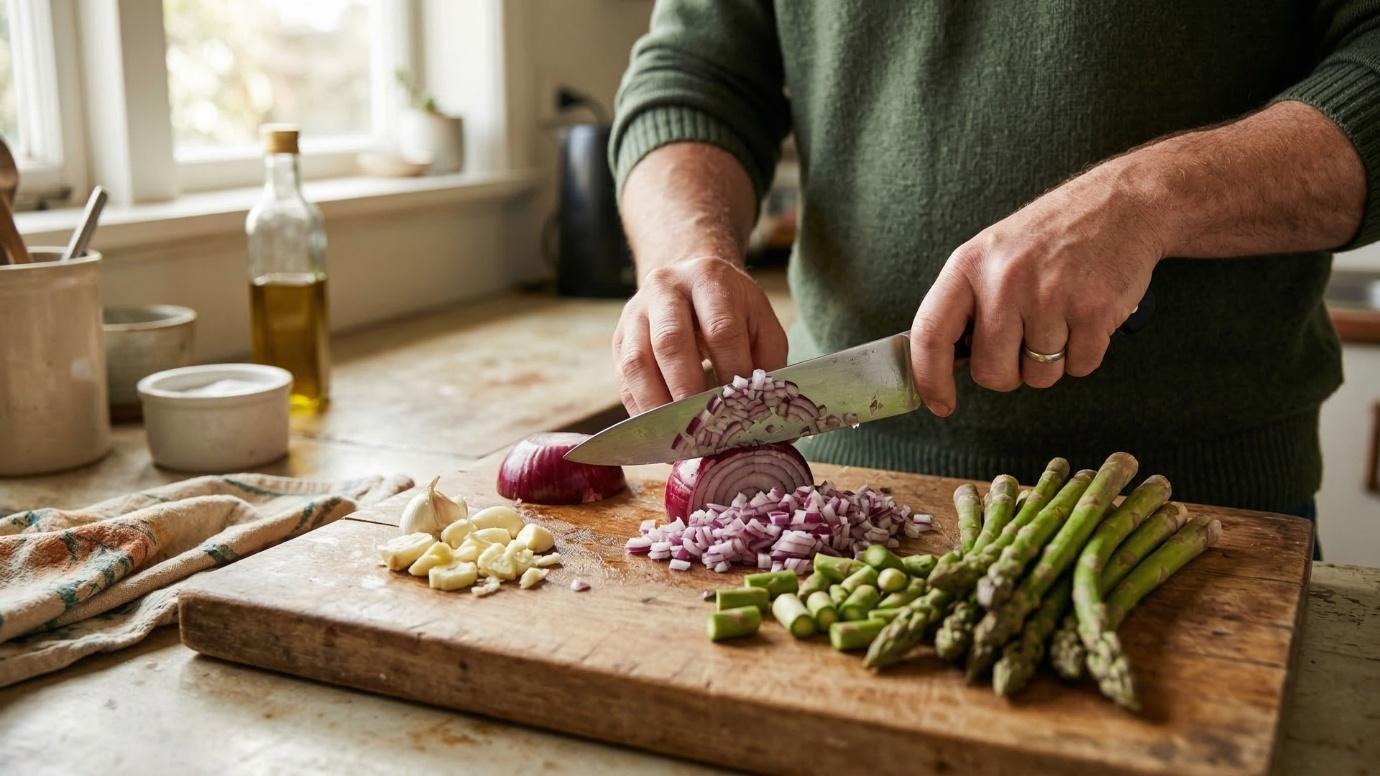
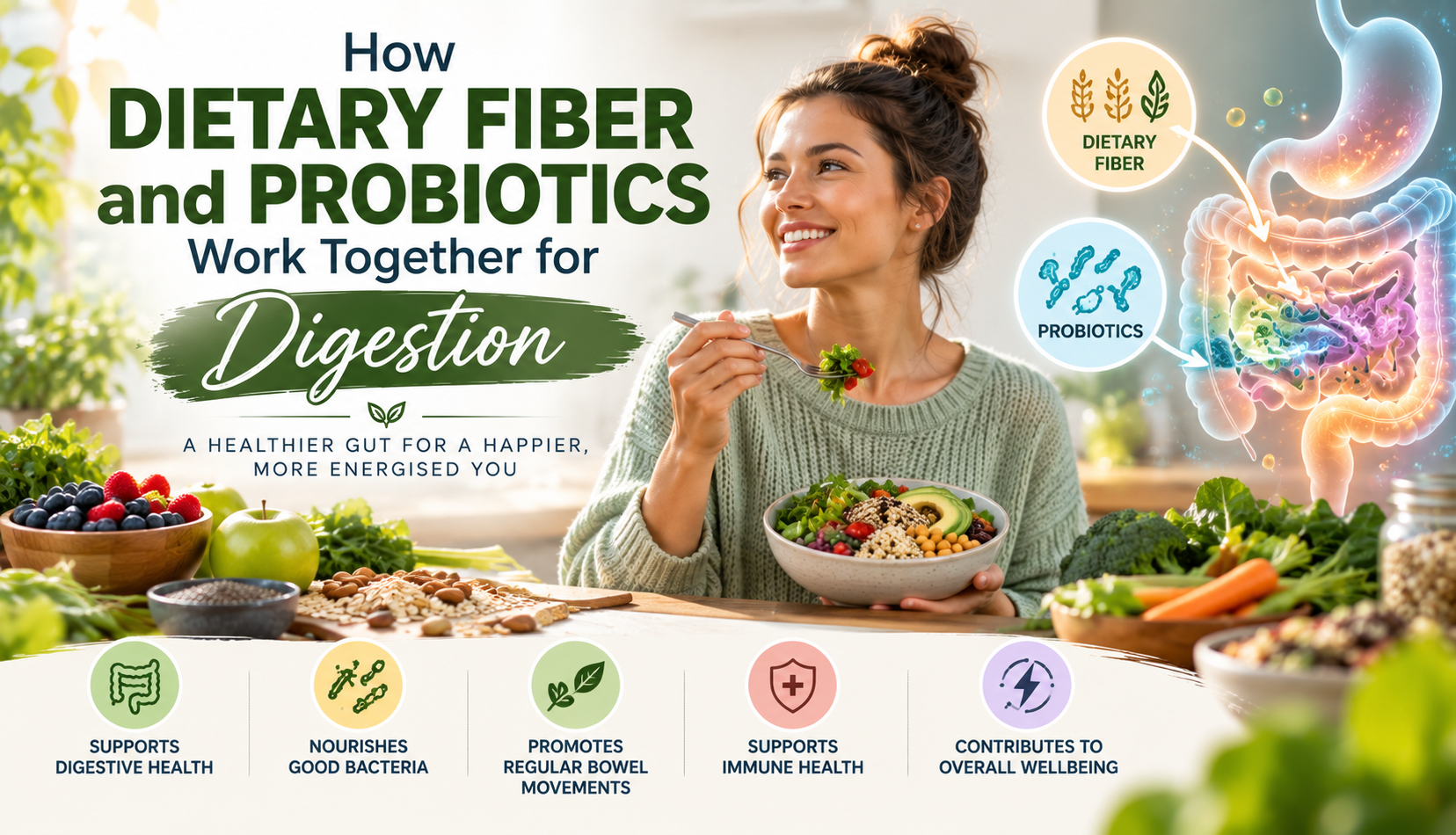
Prebiotics are specific types of fiber that selectively feed beneficial bacteria. Include these regularly:
Probiotic and fermented foods
Fermented foods contain live bacteria that can benefit your gut directly. Try to eat fermented foods regularly:
When choosing probiotic rich foods, look for labels indicating “live and active cultures” to ensure you’re getting viable bacteria.
Healthy fats
Omega-3 rich foods support anti inflammatory properties in the gut and are associated with a more diverse microbiome:
Whole grains
Whole grains provide fermentable fiber that your gut bacteria convert into protective SCFAs:
These support both metabolic health and digestive regularity.
Coffee and tea
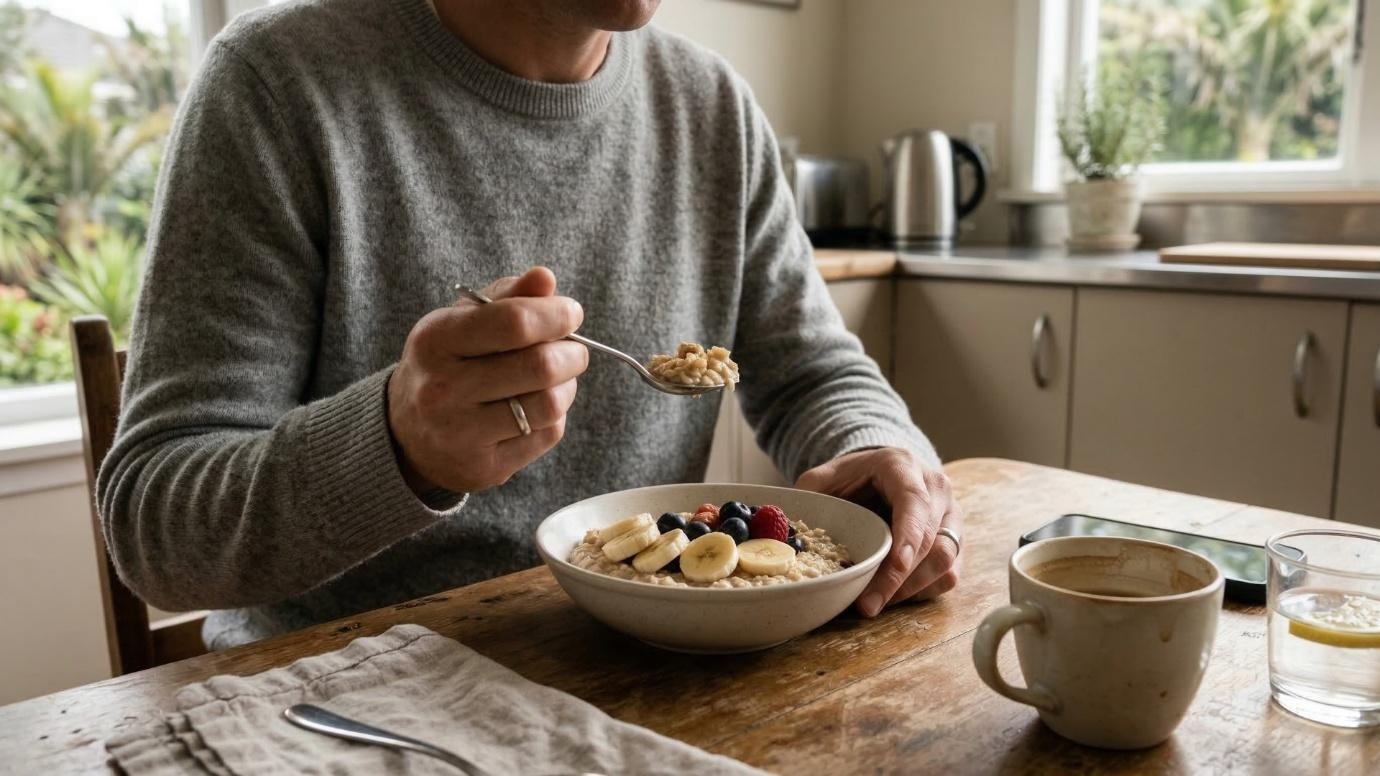
Moderate coffee consumption is linked with greater microbiome diversity in several studies. Polyphenols in coffee, green tea, and herbal teas can feed beneficial bacteria and support overall health.
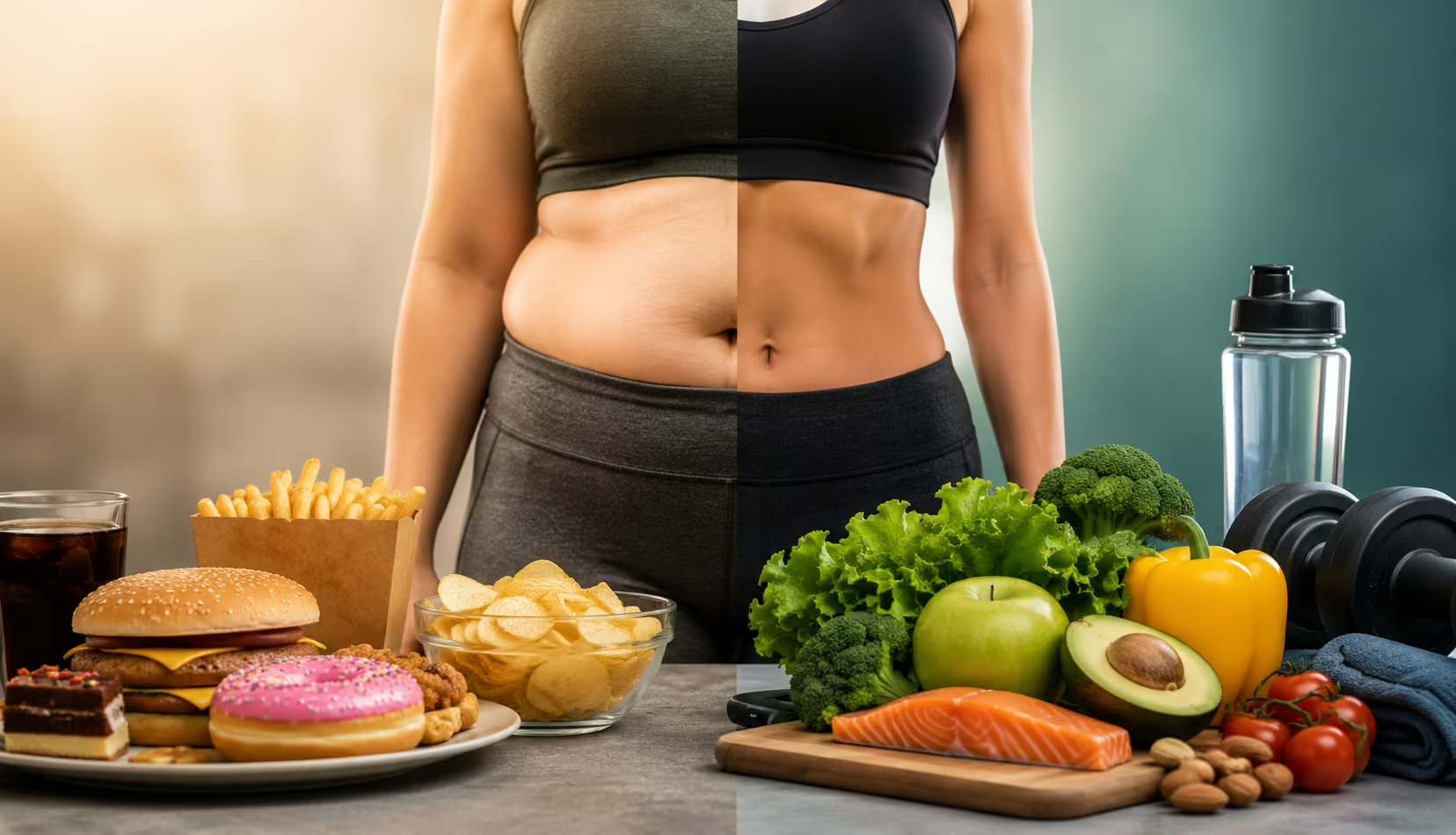
Foods that tend to harm gut health:
| Food Type | Concern | Better Alternative |
|---|---|---|
| Ultra processed foods | High in refined flour, sugar, emulsifiers, and artificial additives that disrupt the gut lining | Whole foods prepared at home |
| Sugary drinks | Feed less beneficial bacteria, promote inflammation | Water, herbal teas, sparkling water |
| Excessive alcohol | Damages gut lining, promotes inflammation, especially with binge drinking | Moderate consumption within guidelines |
| Artificial sweeteners | May disrupt microbial balance in some individuals | Natural sweeteners in moderation, or reduce overall sweetness |
| Foods high in unhealthy fats | Trans fats and excessive saturated fat promote inflammation | Olive oil, avocado, nuts |
Practical swaps:
A balanced diet rich in whole foods forms the foundation of good gut health. You don’t need to be perfect—focus on the right foods most of the time.
Lifestyle habits that shape your gut
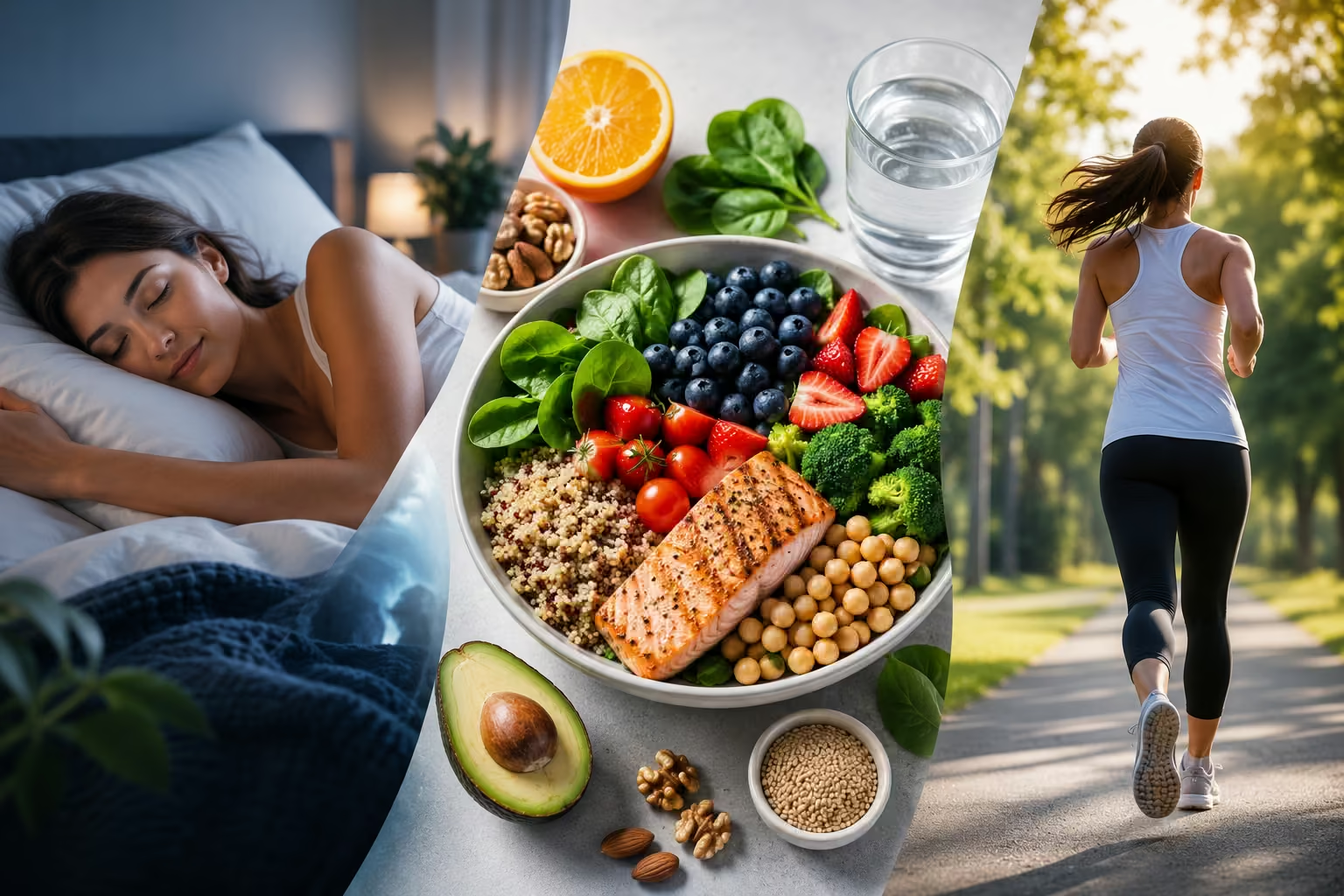
What you eat matters enormously, but gut health plays out across your entire lifestyle. Sleep, movement, stress management, medications, and habits like smoking all influence your microbiome.
Sleep: aim for consistency

Your gut microbes have their own circadian rhythms. Irregular sleep patterns and shift work can disrupt both your body clock and your bacterial community.
What helps:
Poor sleep is associated with reduced microbial diversity and increased inflammation—both of which affect digestive health and overall health.
Exercise: movement supports diversity
Regular physical activity is consistently associated with a more diverse microbiome and improved bowel motility. You don’t need intense workouts—moderate activity works well.
Targets to aim for:
Stress: the gut-brain connection
The gut-brain axis is a two-way communication highway. Chronic stress alters gut motility, increases sensitivity to digestive symptoms, and changes microbial composition. Your body in stress mode diverts resources away from digestion.
Simple daily tools to manage stress:
Since about 95% of serotonin is produced in the gut, managing stress isn’t just good for your mind—it directly supports digestive function.
Smoking and vaping

Smoking is associated with higher risk of Crohn’s disease, ulcers, and a less diverse microbiome. Quitting smoking supports both gut and overall health. While research on vaping is still emerging, avoiding inhaled irritants is generally protective.
Alcohol
Heavy drinking damages the gut lining and promotes inflammation. Drinking plenty of alcohol regularly can contribute to an unhealthy gut.
Guidelines:
Medications: use wisely
Some medications significantly impact the gut:
If you’re concerned about how a medication might be affecting your gut, discuss it with your clinician rather than stopping on your own.
Building a sustainable routine
Don’t aim for perfection. Instead, build simple weekly habits:
Small, consistent changes create more impact than dramatic overhauls you can’t sustain.
Natural ways to soothe common gut issues
Many people live with mild but frequent digestive issues like gas, bloating, or irregularity. While persistent or severe digestive problems need professional attention, simple changes often help with everyday discomfort.
Bloating and gas
What you can try:
Constipation
What you can try:
Loose stools
What you can try:
Herbs and spices with evidence-supported uses:
| Herb/Spice | Traditional Use | Notes |
|---|---|---|
| Ginger | Nausea and motility support | Can be used fresh, as tea, or in cooking |
| Peppermint | IBS symptoms, particularly /cramping | Enteric-coated capsules may work best for irritable bowel syndrome |
| Turmeric (curcumin) | Anti-inflammatory support | Best absorbed with black pepper and fat |
| Fennel and caraway seeds | Gas and cramping | Can be brewed as tea or chewed after meals |
“Natural” doesn’t always mean “safe for everyone.” Pregnant people, those on blood thinners, or anyone with chronic health conditions should consult a clinician before using strong herbal supplements or high-dose probiotic supplements.
Important: Persistent, severe, or worsening symptoms need professional assessment rather than self-treatment alone. Natural approaches complement but don’t replace medical care when it’s needed.
When to seek professional help and what to expect
Don’t ignore ongoing digestive symptoms. Early assessment can prevent complications and provide peace of mind. Many gut conditions are highly treatable when caught early.
Signs it’s time to consult a healthcare professional:
What an initial assessment may involve:
Evidence-based treatment options:
Depending on what’s found, care might include:
Systematic review evidence and randomized controlled trials guide treatment recommendations for conditions like IBS, where approaches ranging from dietary changes to specific medications have demonstrated benefit in clinical nutrition research.
How to prepare for your appointment:
This preparation helps your clinician give you more personalized, efficient advice.
Frequently asked questions about gut health
How long does it take to improve gut health?
Your gut microbiome can begin shifting within a few days of dietary changes—researchers have documented changes in as little as 48–72 hours. However, meaningful, stable improvements typically take weeks to months of consistent habits. Think of it as training: you see initial responses quickly, but lasting fitness takes sustained effort. Most people notice improved digestive symptoms within 2–4 weeks of making positive changes.
Do I need a probiotic supplement?
Not necessarily. If your balanced diet already includes plenty of plant foods and fermented foods, you may be getting adequate beneficial bacteria from food. However, probiotics can help in specific situations—after a course of antibiotics, for certain forms of IBS (certain strains have shown benefit in randomized controlled trials), or during travel. If you choose to supplement, look for products with clinically studied strains and adequate CFU counts (typically 10^9 to 10^11 per dose). Discuss with a clinician if you have specific health conditions or are immunocompromised.
Is a 3- or 7-day “gut reset” or detox necessary?
Harsh cleanses and restrictive “detox” programs are not supported by evidence and may actually harm your gut by depriving bacteria of the fiber they need. Your body already has sophisticated detoxification systems (liver, kidneys, gut). Instead of dramatic resets, focus on sustainable habits: more whole foods, adequate high fibre foods, less alcohol and sugar, and consistent sleep. These gentle approaches work better and create lasting change without the risks of extreme protocols.
Can I heal my gut while eating out or traveling?
Absolutely—perfection isn’t required for good gut health. Practical strategies include:
Key takeaways
Your gut health journey doesn’t require dramatic overhauls or expensive interventions. Pick one or two changes from this guide—maybe adding an extra vegetable to dinner tonight, or taking a short walk after your meal—and start there. Small, consistent steps create the kind of lasting change that supports your digestive health, your immune system, and your overall well-being for years to come.
Disclaimer
This article is for general informational purposes only and does not replace personalised medical advice. Feeding decisions should always be made in consultation with a qualified healthcare provider. Every baby is unique, and individual circumstances may vary.
Join The Hub community. Subscribe today and receive a monthly email with our newest blogs and articles on health, wellness, and nutrition to keep you informed and inspired.
By signing up you agree to our User Agreement and Privacy Policy & Cookie Statement


Newsletter
By signing up you agree to our User Agreement and Privacy Policy & Cookie Statement
By accessing, browsing, or using this website (the “www.newimage.world/thehub”), you acknowledge and agree to the terms of this Disclaimer. The Website, including its blogs, podcasts, videos, and any other content (collectively, the “Content”), is operated by New Image™ International (“the Company,” “we,” “our,” or “us”).
All Content made available on this Website is provided strictly for general informational and educational purposes only. The Content does not constitute, and should not be relied upon as, medical advice, diagnosis, treatment, prescription, or professional health consultation of any kind.
The Company makes no representations or warranties regarding the accuracy, completeness, reliability, or timeliness of the Content. The Content may include information collected from external or third-party sources, and we do not independently verify such information. Accordingly, no nutritional, health, or wellness claims are endorsed, warranted, or guaranteed by the Company.
To the fullest extent permitted by applicable law:
Your use of the Website does not establish any doctor–patient, nutritionist–client, or other professional relationship between you and the Company or any of its representatives.
The Website may include references, links, or access to third-party websites, podcasts, or resources. The Company does not control, endorse, or assume any responsibility for such third-party content and shall not be held liable for any damages arising from your use of or reliance on it.
By clicking “Accept” on the Website’s pop-up disclaimer, you expressly acknowledge that you have read, understood, and agreed to be bound by this Disclaimer. Your continued use of the Website constitutes ongoing acceptance of these terms. If you no longer agree with this Disclaimer, you must immediately discontinue use of the Website.
Join The Hub community. Subscribe today and receive a monthly email with our newest blogs and articles on health, wellness, and nutrition to keep you informed and inspired.
By signing up you agree to our User Agreement and Privacy Policy & Cookie Statement














.webp)
.webp)