
When people think about skin health, they often focus on skincare routines, cosmetic treatments, or dermatology products. However, modern research suggests that the condition of your digestive system may be just as important as the creams and serums you apply to your face. Scientists increasingly recognize a powerful relationship between gut health and skin, often described as the gut skin axis.
The gut and skin connection reveals that the state of your gut microbiome, the community of microorganisms living in your digestive tract, can directly influence how your skin looks and feels. If the digestive system is unbalanced, it can trigger inflammation, weaken the skin barrier, and contribute to several skin conditions including acne, eczema, and rosacea.
Understanding the relationship between gut health, gut bacteria, and the skin provides a new perspective on treating gut and skin problems. Instead of focusing only on topical treatments, improving the health of the digestive system may help restore healthy skin, improve skin hydration, and reduce skin inflammation.
Understanding the Gut Skin Axis

The concept known as the gut skin axis refers to the complex communication network between the digestive system and the skin. This connection demonstrates how the gut microbiome influences the body's immune system, metabolic processes, and inflammatory responses that affect the skin.
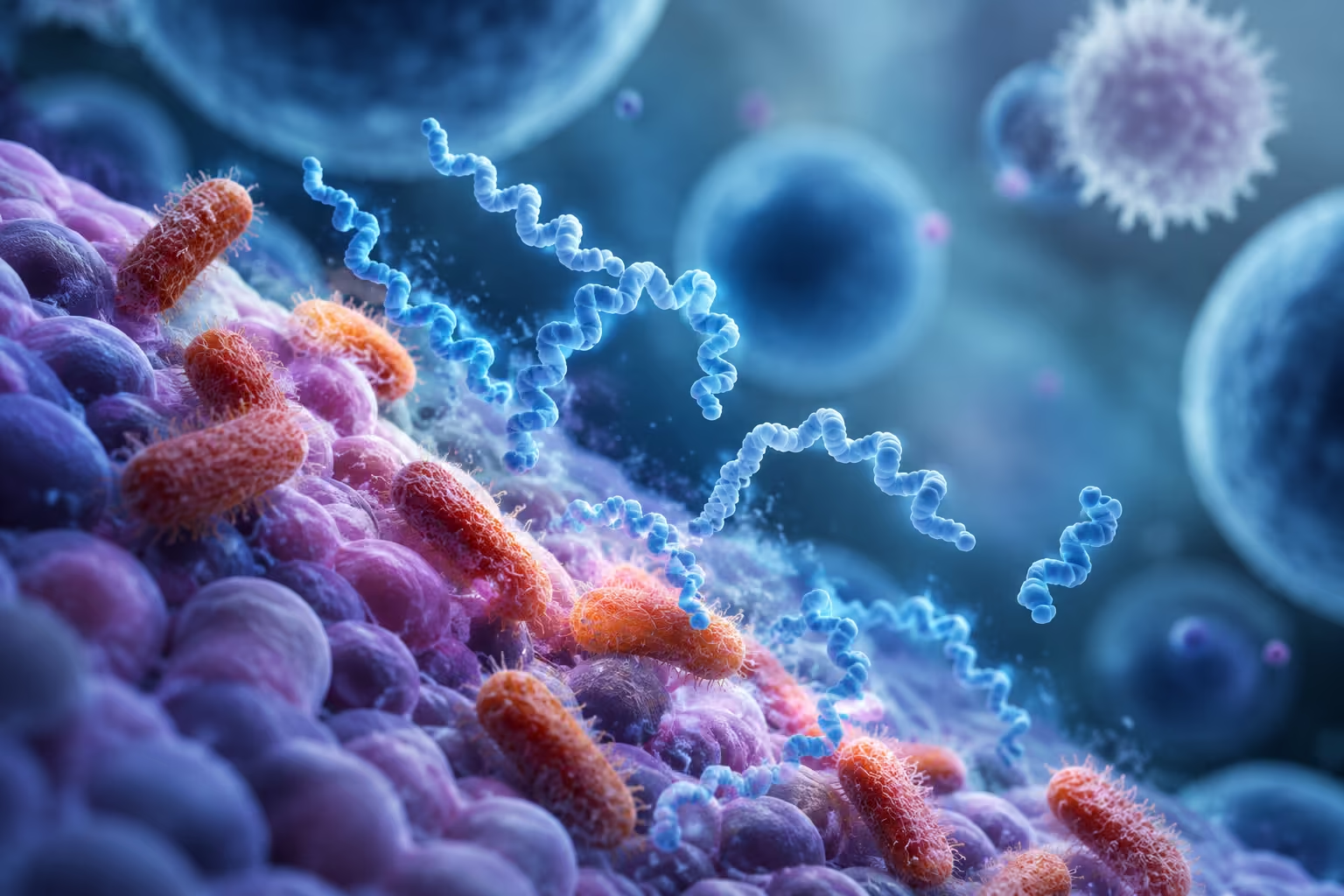
Inside the digestive tract, trillions of gut bacteria work together to support digestion, regulate immune responses, and maintain overall health. When these microorganisms are balanced, they create a healthy gut microbiome that supports strong skin barrier function, improves nutrient absorption, and promotes healthy skin.
However, when there is an imbalance in gut microbiota, a condition known as gut dysbiosis, harmful microbes can outnumber beneficial bacteria. This imbalance can lead to systemic inflammation, digestive discomfort, and visible skin conditions.
Research shows that the gut microbiome plays a vital role in regulating inflammatory signals in the body. These signals influence the skin's immune defense, its skin cells, and the health of the skin microbiome. Through the gut skin connection, disturbances in the gut may cause acne, eczema, rosacea, and other skin disorders.
The communication between gut and skin occurs through several pathways including immune signaling, hormones, and microbial metabolites such as short chain fatty acids. These compounds help reduce inflammation, regulate immune system regulation, and support the integrity of the skin barrier.
When the gut and skin microbiome are balanced, the body is better equipped to maintain skin integrity, improve skin hydration, and protect against bacterial infections.
The Role of the Gut Microbiome in Skin Health
The gut microbiome is one of the most important components of human health. It consists of trillions of microorganisms including bacteria, viruses, fungi, and other microbes that live in the digestive tract.
These microorganisms influence gut health, digestion, metabolism, and the body's immune function. In fact, researchers estimate that the gut microbiome plays a crucial role in regulating more than 70% of the immune system.
A balanced gut microbiota helps maintain a healthy gut, supports nutrient absorption, and ensures the production of compounds like short chain fatty acids. These beneficial molecules help reduce inflammation, strengthen the skin barrier, and maintain healthy skin.
However, when gut bacteria become imbalanced, the body may develop gut dysbiosis, which can negatively affect both digestion and the skin. This imbalance can trigger systemic inflammation, weaken skin barrier function, and increase susceptibility to skin diseases.
Studies show that individuals with inflammatory bowel disease, celiac disease, or irritable bowel syndrome often experience various skin conditions. These disorders demonstrate how disturbances in the gut microbiota can directly affect skin conditions.
The gut microbiome also influences collagen production, skin elasticity, and the overall skin appearance. By maintaining a healthy gut microbiome, the body can better support skin cells, strengthen the skin barrier, and improve skin clarity.
How Gut Health Affect Skin Conditions

The relationship between digestion and dermatology becomes clear when exploring how gut health affect the skin.
When the digestive system becomes compromised, it can lead to increased intestinal permeability, commonly known as leaky gut. This condition allows toxins, microbes, and undigested food particles to enter the bloodstream.
Once these substances circulate in the body, they can trigger systemic inflammation and activate the immune system. This immune response may result in inflamed skin, acne breakouts, and worsening of chronic skin disorders.
Many dermatologists now believe that improving gut health and skin together may provide more effective treatment for chronic skin conditions. By focusing on restoring a healthy gut, it may be possible to reduce inflammation, improve skin hydration, and enhance skin clarity.
The Gut Skin Connection and the Immune System
The immune system acts as a bridge between the digestive system and the skin. Nearly 70% of immune cells reside in the digestive tract, making gut health essential for proper immune system regulation.
When the gut microbiome is balanced, it supports healthy immune responses that protect the body without triggering unnecessary inflammation. These balanced responses help maintain a resilient skin barrier and support healthy skin.
However, when gut bacteria become imbalanced, the immune system may become overactive. This overactive immune response can lead to chronic inflammation, skin inflammation, and worsening of skin conditions such as atopic dermatitis.
Inflammatory signals produced in the gut can travel through the bloodstream and influence the skin. These signals may weaken the skin barrier function, disrupt the skin microbiome, and increase susceptibility to bacterial infections.
Maintaining a healthy gut microbiome helps regulate immune activity, protect skin cells, and support overall skin health.
Gut Dysbiosis and Common Skin Conditions
Gut dysbiosis occurs when harmful microbes outnumber beneficial bacteria in the digestive system. This imbalance can disrupt digestion, weaken gut barrier integrity, and contribute to systemic inflammation.
Several skin conditions have been linked to imbalances in the gut microbiota, including:
Researchers have also found that small intestinal bacterial overgrowth (SIBO) may be linked to rosacea. In some cases, treating SIBO has been shown to improve skin appearance and reduce symptoms.
Food sensitivities can also contribute to gut irritation and chronic inflammation, which may manifest as skin flare-ups. For example, individuals with celiac disease or gluten sensitivity often experience both digestive symptoms and skin disorders.
This relationship highlights the importance of addressing gut and skin health together when treating chronic dermatological conditions.
Leaky Gut and Skin Inflammation
One of the most significant factors linking digestion to dermatology is leaky gut.
When increased intestinal permeability occurs, the lining of the digestive tract becomes compromised. This allows toxins and microbes to enter the bloodstream and trigger systemic inflammation.
This inflammatory response can contribute to skin inflammation, acne breakouts, and worsening of skin diseases.
Over time, systemic inflammation can damage the skin barrier, disrupt the skin microbiome, and accelerate skin aging.
Chronic digestive problems may therefore accelerate skin aging, reduce skin elasticity, and negatively affect skin appearance.
Improving gut health and skin together can help reduce inflammation, support skin barrier function, and restore skin clarity.
Nutrient Absorption and Skin Health
A major way gut health affect the skin is through nutrient absorption.
The digestive tract is responsible for absorbing essential vitamins and minerals required for skin health, including:
When the gut microbiome is unbalanced, poor nutrient absorption may occur. Without adequate nutrients, the skin cannot properly regenerate skin cells, maintain skin hydration, or support collagen production.
A healthy gut ensures efficient nutrient absorption, allowing the body to maintain skin integrity, support skin barrier function, and promote glowing skin.
Diet and the Gut Skin Connection

Diet plays a critical role in maintaining both gut health and skin.
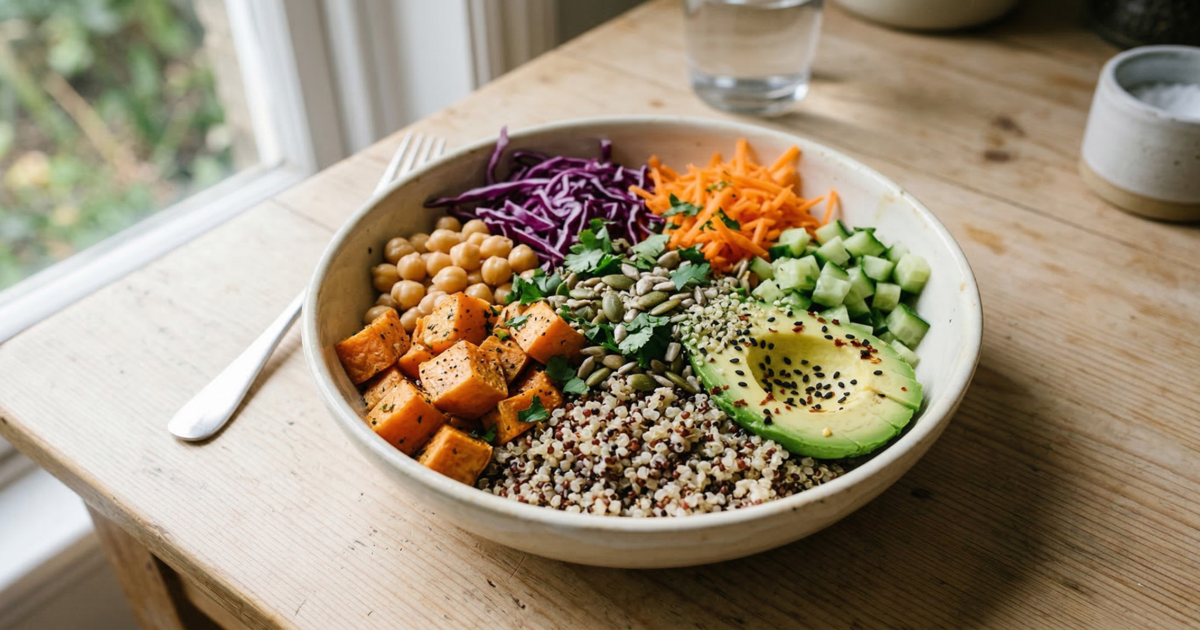
A gut friendly diet rich in fruits, vegetables, legumes, and whole grains helps support beneficial bacteria and maintain microbial diversity in the gut microbiome.
These foods provide fiber that gut microbes convert into short chain fatty acids, which help reduce inflammation and strengthen the skin barrier.
On the other hand, diets high in processed foods, sugar, and refined carbohydrates can disrupt the gut microbiota and contribute to gut dysbiosis.
This imbalance may exacerbate acne, increase skin inflammation, and worsen skin conditions.
Healthy fats, especially essential fatty acids found in fish, nuts, and olive oil, support the lipid layer of the skin barrier and improve skin hydration.
A Mediterranean-style diet rich in plant foods and healthy fats has been shown to support a healthy gut microbiome and promote healthy skin.
Fermented Foods and Beneficial Bacteria
One effective way to support gut health is by incorporating fermented foods into your diet.
Foods such as yogurt, kefir, kimchi, sauerkraut, and miso contain beneficial bacteria that help restore a balanced microbiome.
These foods support the gut microbiome, improve nutrient absorption, and help reduce inflammation throughout the body.
By improving the health of the gut microbiota, fermented foods may also enhance the skin microbiome, improve skin clarity, and promote glowing skin.
Probiotics, Prebiotics, and Skin Health
Recent research highlights the importance of probiotics, prebiotics, and postbiotics for both gut health and skin.
Oral probiotics may help balance the gut microbiome, regulate immune responses, and reduce inflammation. These benefits may help improve skin conditions such as acne, eczema, and atopic dermatitis.
Prebiotics feed beneficial bacteria, helping maintain a healthy gut microbiome and support skin barrier function.
Some skincare products now include probiotics and prebiotics designed to strengthen the skin microbiome, improve skin hydration, and protect the skin barrier.
Maintaining balance in both gut and skin ecosystems may significantly improve skin health.
Chronic Stress and the Gut Skin Axis
Mental health also influences the gut skin axis.
Chronic stress can disrupt the gut microbiome, increase gut irritation, and weaken gut barrier integrity. Stress hormones may also impair immune function, making the skin more prone to skin conditions.
Stress can worsen atopic dermatitis, acne, and other skin disorders by increasing systemic inflammation and weakening the skin barrier.
Practicing stress management techniques can help protect gut and skin health.
Helpful techniques include:
These practices help manage stress, support the immune system, and promote a healthy gut.
Lifestyle Habits That Support Gut and Skin Health
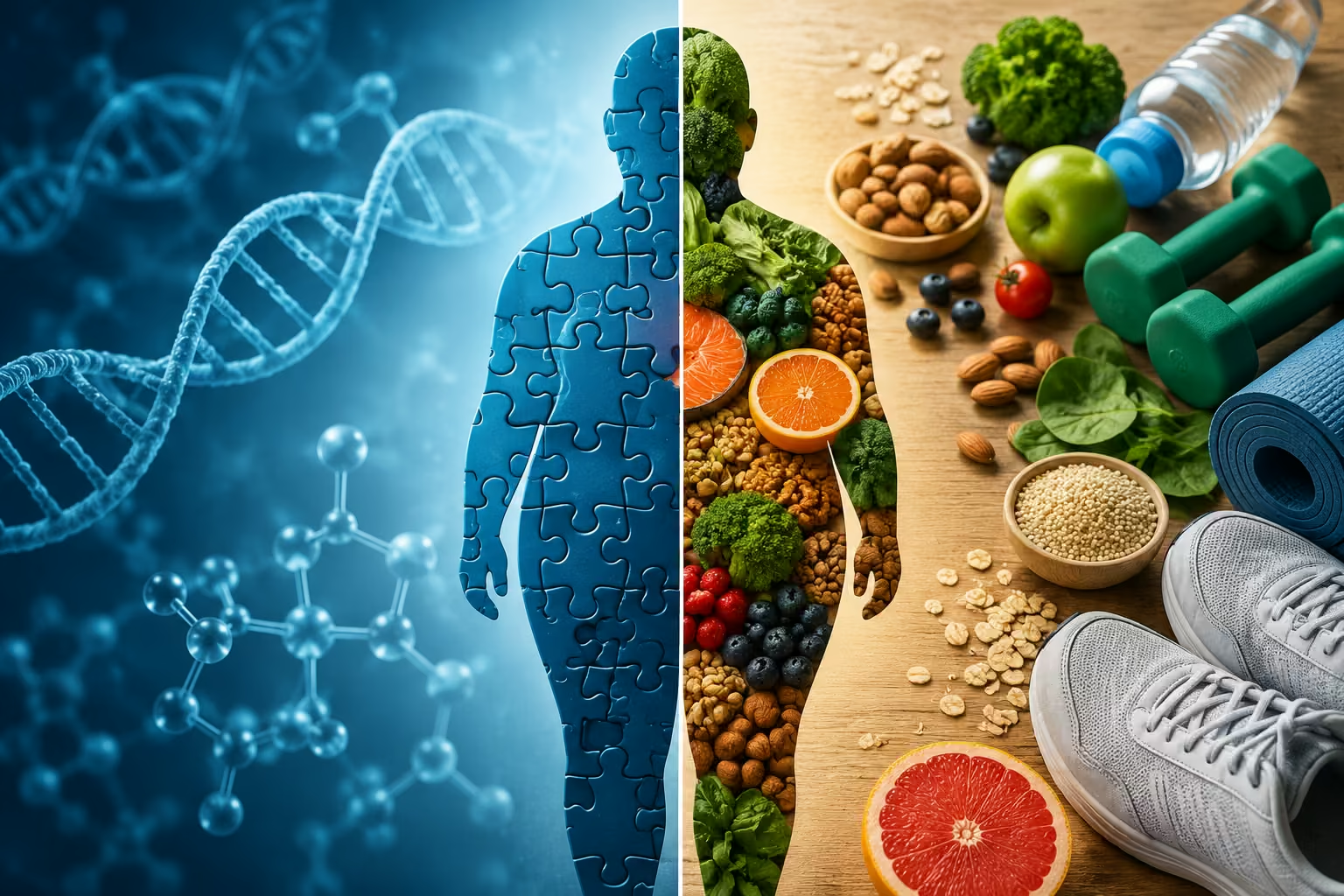
Improving gut and skin health requires a holistic approach that includes diet, lifestyle habits, and stress management.
Important strategies include:
Eat a Gut Friendly Diet
Focus on fruits, vegetables, whole grains, and fermented foods to support a healthy gut microbiome.
Reduce Processed Foods
Limiting processed foods helps prevent gut dysbiosis and reduce systemic inflammation.
Stay Hydrated
Proper hydration supports skin hydration, maintains the gut lining, and supports nutrient absorption.
Manage Stress
Practicing relaxation techniques like deep breathing exercises helps manage stress and improve gut health.
Support Beneficial Bacteria
Probiotics and prebiotics can help maintain microbial diversity and strengthen the gut skin connection.
Why a Healthy Gut Leads to Healthy Skin
Maintaining a healthy gut benefits not only digestion but also the appearance and resilience of the skin.
A balanced gut microbiome supports immune system regulation, improves nutrient absorption, and helps reduce inflammation.
When digestion functions properly, the body can maintain a strong skin barrier, support skin cells, and protect the skin microbiome.
This leads to clearer, stronger, and more healthy skin.
Ultimately, the relationship between gut health and skin demonstrates that true beauty begins from within.
The connection between digestion and dermatology is becoming increasingly clear. The gut skin axis highlights how the health of the digestive system influences skin health, immune responses, and inflammation throughout the body.
When the gut microbiome is balanced, it helps regulate the immune system, improve nutrient absorption, and maintain the skin barrier. These processes support healthy skin, improve skin clarity, and reduce the risk of skin conditions.
However, when gut dysbiosis, leaky gut, or digestive disorders occur, they may trigger systemic inflammation, weaken the skin barrier, and contribute to chronic skin disorders.
Improving gut health and skin together through a gut-friendly diet, stress management, and lifestyle changes may support overall health and skin appearance. Maintaining a healthy gut microbiome is one approach to supporting glowing skin, strengthening skin barrier function, and promoting long-term skin health, while nutritional options such as colostrum for skin can be considered as part of a balanced wellness routine.
Join The Hub community. Subscribe today and receive a monthly email with our newest blogs and articles on health, wellness, and nutrition to keep you informed and inspired.
By signing up you agree to our User Agreement and Privacy Policy & Cookie Statement


Newsletter
By signing up you agree to our User Agreement and Privacy Policy & Cookie Statement
By accessing, browsing, or using this website (the “www.newimage.world/thehub”), you acknowledge and agree to the terms of this Disclaimer. The Website, including its blogs, podcasts, videos, and any other content (collectively, the “Content”), is operated by New Image™ International (“the Company,” “we,” “our,” or “us”).
All Content made available on this Website is provided strictly for general informational and educational purposes only. The Content does not constitute, and should not be relied upon as, medical advice, diagnosis, treatment, prescription, or professional health consultation of any kind.
The Company makes no representations or warranties regarding the accuracy, completeness, reliability, or timeliness of the Content. The Content may include information collected from external or third-party sources, and we do not independently verify such information. Accordingly, no nutritional, health, or wellness claims are endorsed, warranted, or guaranteed by the Company.
To the fullest extent permitted by applicable law:
Your use of the Website does not establish any doctor–patient, nutritionist–client, or other professional relationship between you and the Company or any of its representatives.
The Website may include references, links, or access to third-party websites, podcasts, or resources. The Company does not control, endorse, or assume any responsibility for such third-party content and shall not be held liable for any damages arising from your use of or reliance on it.
By clicking “Accept” on the Website’s pop-up disclaimer, you expressly acknowledge that you have read, understood, and agreed to be bound by this Disclaimer. Your continued use of the Website constitutes ongoing acceptance of these terms. If you no longer agree with this Disclaimer, you must immediately discontinue use of the Website.
Join The Hub community. Subscribe today and receive a monthly email with our newest blogs and articles on health, wellness, and nutrition to keep you informed and inspired.
By signing up you agree to our User Agreement and Privacy Policy & Cookie Statement

















.webp)
.webp)