
Modern life moves quickly. Between busy schedules, takeaway meals, long workdays and rising stress levels, many people notice subtle changes in their digestion and energy. Bloating after meals, irregular bowel habits, sluggish afternoons, and general discomfort can all signal that the digestive system needs a little extra attention.
This is where gut health supplements are gaining interest. Rather than replacing a balanced diet, they are often used as extra support to help maintain digestive comfort, encourage healthy digestion, and assist with nutrient absorption. Current research suggests that looking after the gut may also influence mood, immunity, and overall well being.
In this guide, we’ll explore how digestive health supplements work, what to look for, and how to use them safely and sensibly as part of a healthy lifestyle.
If you’re unsure where to begin, you can ask Tuii for personalised guidance based on your lifestyle and eating habits. Simply share your typical diet, and Tuii can suggest supportive nutritional options tailored to your needs.
Why Gut Health Matters for Overall Well Being
Your digestive system does more than simply process food. It breaks down nutrients, absorbs vitamins and minerals, and plays a role in supporting the immune system. A healthy digestive system contributes to:
When digestion is working smoothly, the body can access essential nutrients from food more effectively. When it’s not, symptoms such as abdominal pain, constipation, bloating or discomfort may become more noticeable.
Maintaining gut health isn’t about quick fixes. It’s about creating balance in the digestive environment so beneficial bacteria can thrive.
Understanding the Digestive System

The digestive system begins in the mouth and continues through the stomach and intestines. Along the way, digestive enzymes break down carbohydrates, protein and fats into smaller components that can be absorbed into the bloodstream.
Inside the gut lives a complex community of bacteria known as the microbiome. A balanced microbiome supports digestion, assists with nutrient absorption, and interacts with the immune system.
Factors that may affect this balance include:
When balance shifts, an unhealthy gut environment may develop, which can influence digestion, energy and general wellbeing.
What Are Gut Health Supplements?
Gut health supplements are products formulated to support digestion and maintain a healthy gut environment. They may contain:
These supplements aim to support digestion rather than replace a balanced diet. Adding supplements thoughtfully, alongside whole foods, may provide extra support for people experiencing digestive discomfort.
Probiotics: Supporting Beneficial Bacteria

Probiotics are live microorganisms often referred to as good bacteria. They are commonly found in fermented foods such as yoghurt, kefir and certain cultured vegetables.
Supplement forms of probiotics are designed to help maintain a balanced microbiome. Research suggests that probiotics may:
When choosing probiotics, quality matters. Look for clearly labelled strains and storage instructions to maintain viability.
Prebiotics: Feeding the Good Bacteria
Prebiotics are fibres that nourish beneficial bacteria already present in the gut. They occur naturally in foods such as onions, garlic, oats, bananas and asparagus.
Prebiotic supplements can be helpful for individuals who struggle to consume enough fibre from vegetables and fruits alone. By feeding good bacteria, prebiotics may support:
Increasing fibre gradually is important to minimise temporary discomfort.
Digestive Enzymes: Enhancing Digestion
Digestive enzymes assist the body in breaking down protein, fats and carbohydrates. Some people may benefit from digestive enzyme supplements if they experience indigestion or discomfort after meals.
Common enzymes include:
Digestive enzymes may help enhance digestion, particularly when large or rich meals cause stomach discomfort. However, they are not a substitute for mindful eating habits.
Fibre Supplements and Psyllium Husk
Fibre plays a key role in supporting bowel regularity and digestive comfort. A fibre supplement such as psyllium husk can:
Many people fall short of recommended fibre intake. Adding fibre supplements gradually and drinking adequate water is essential for comfort.
L Glutamine and Gut Support
L glutamine is an amino acid involved in supporting cells that line the digestive tract. Emerging research suggests it may contribute to maintaining gut integrity and overall health.
While not suitable for everyone, some individuals include l glutamine as part of a broader digestive health supplement routine under guidance from a healthcare provider.
Zinc and Key Nutrients for Digestive Health
Certain vitamins and minerals play supportive roles in digestion and immunity. Zinc, for example, contributes to immune system function and may assist in maintaining the health of digestive tissues.
Ensuring adequate intake of essential nutrients supports both digestive health and overall wellbeing.
Signs of an Unhealthy Gut

Understanding symptoms can help you determine whether extra support may be useful. Signs of an unhealthy gut may include:
These symptoms do not automatically indicate a serious issue, but persistent discomfort should be discussed with a healthcare provider.
What Is the Best Supplement for Gut Health?
There is no single “best” supplement for everyone. The most suitable option depends on your specific symptoms and diet.
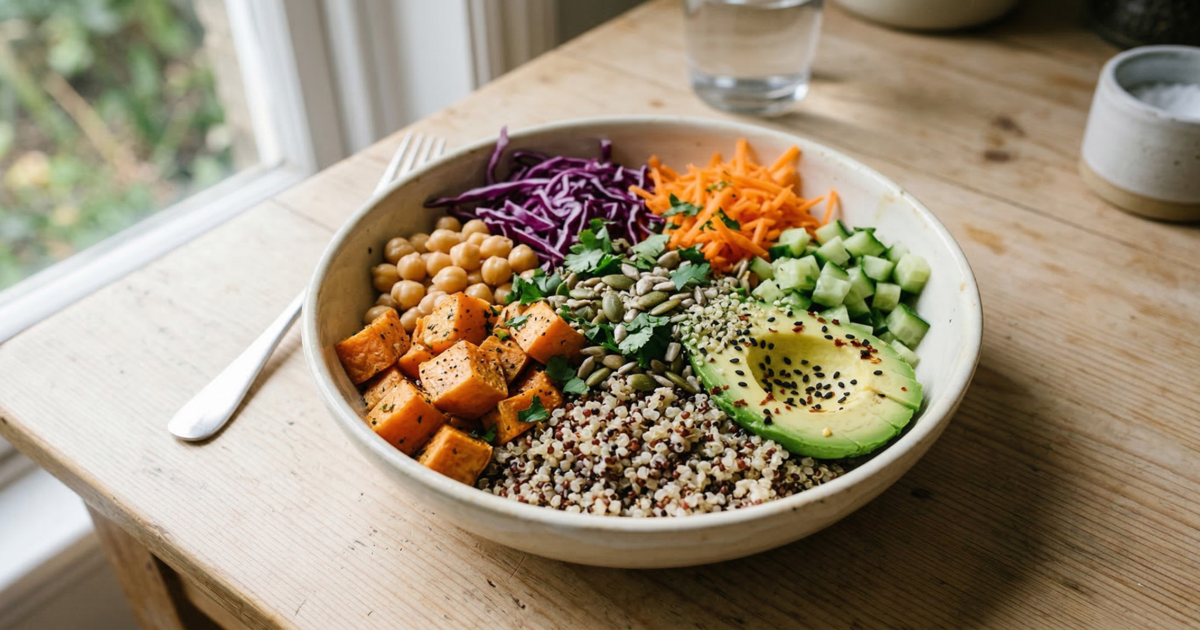
A balanced approach, including vegetables, fruits, whole grains and fermented foods, forms the foundation. Supplements are intended to complement, not replace, a healthy diet.
For tailored support, you can also chat with Tuii, our nutrition assistant, who can help you explore options based on your digestive concerns and dietary preferences.
How Nutrient Absorption Impacts Energy
Nutrient absorption is central to energy production. If the digestive system struggles to absorb iron, B vitamins, protein or other essential nutrients efficiently, fatigue may follow.
By supporting healthy digestion and balanced microbiome activity, digestive health supplements may contribute indirectly to improved energy levels.
When the body can properly access nutrients from food, overall well being often feels more stable.
How Do I Repair My Gut?
“Repairing” the gut is often about restoring balance rather than drastic changes. Steps may include:
Consistency is key. Improvements in digestive comfort may take time.
The 7 Day Gut Reset: A Gentle Approach
A short reset can help re-establish supportive habits. A typical 7 day gut reset may include:
Avoid restrictive approaches. Instead, aim for sustainable habits that support your gut long term.
Stress and Its Impact on Digestion
Stress directly affects digestion. When the body is under pressure, blood flow shifts away from the digestive system, which may lead to indigestion or discomfort.
Managing stress through:
can positively influence digestive comfort and overall health.
Fermented Foods vs Supplements
Fermented foods naturally contain beneficial bacteria. Examples include yoghurt, kefir and certain cultured vegetables.
Supplements offer convenience and standardised strains. Many people choose to combine both approaches for broader support.
The goal is balance rather than replacing whole foods.
Supporting Immune System Function
A significant portion of immune system activity is associated with the gut. A balanced microbiome may help maintain immune responses.
While supplements do not replace medical treatment, maintaining gut health supports general immunity and overall wellbeing.
Choosing Quality Digestive Health Supplements
When selecting health supplements, consider:
Quality matters more than quantity. Taking multiple supplements without purpose may not provide additional benefit.
New Image offers carefully formulated nutritional products designed to complement a balanced lifestyle, and Tuii can help you identify which options may best suit your goals.
Can Gut Health Influence Mood?
Emerging research suggests a connection between the gut and mood through what is often referred to as the gut-brain axis.
While research continues to evolve, maintaining a healthy digestive system may contribute to stable energy and overall well being.
This area is growing in interest, but it is important not to overstate findings.
Practical Daily Tips to Support Your Gut
Alongside supplements, everyday habits matter:
Small, consistent habits often create the greatest advantage over time.
Final Thoughts on Supporting Gut Health
Gut health supplements can provide extra support for digestion, energy and nutrient absorption when used thoughtfully. They are most effective when combined with a balanced diet, regular exercise and stress management.
Maintaining gut health is not about perfection. It is about creating sustainable habits that allow the digestive system to function comfortably and efficiently.
If you’d like more personalised nutritional suggestions, share your diet and wellness goals with Tuii for supportive recommendations tailored to you.
If symptoms persist or worsen, seeking advice from a qualified healthcare provider ensures that any underlying concerns are properly addressed.
Disclaimer
This article is for general informational purposes only and is not intended as medical advice. Supplements should not replace a balanced diet or professional healthcare guidance. Individual needs vary, and it is advisable to consult a qualified healthcare provider before adding new supplements, particularly if you have existing health conditions, are pregnant, or are taking medication.
Join The Hub community. Subscribe today and receive a monthly email with our newest blogs and articles on health, wellness, and nutrition to keep you informed and inspired.
By signing up you agree to our User Agreement and Privacy Policy & Cookie Statement


Newsletter
By signing up you agree to our User Agreement and Privacy Policy & Cookie Statement
By accessing, browsing, or using this website (the “www.newimage.world/thehub”), you acknowledge and agree to the terms of this Disclaimer. The Website, including its blogs, podcasts, videos, and any other content (collectively, the “Content”), is operated by New Image™ International (“the Company,” “we,” “our,” or “us”).
All Content made available on this Website is provided strictly for general informational and educational purposes only. The Content does not constitute, and should not be relied upon as, medical advice, diagnosis, treatment, prescription, or professional health consultation of any kind.
The Company makes no representations or warranties regarding the accuracy, completeness, reliability, or timeliness of the Content. The Content may include information collected from external or third-party sources, and we do not independently verify such information. Accordingly, no nutritional, health, or wellness claims are endorsed, warranted, or guaranteed by the Company.
To the fullest extent permitted by applicable law:
Your use of the Website does not establish any doctor–patient, nutritionist–client, or other professional relationship between you and the Company or any of its representatives.
The Website may include references, links, or access to third-party websites, podcasts, or resources. The Company does not control, endorse, or assume any responsibility for such third-party content and shall not be held liable for any damages arising from your use of or reliance on it.
By clicking “Accept” on the Website’s pop-up disclaimer, you expressly acknowledge that you have read, understood, and agreed to be bound by this Disclaimer. Your continued use of the Website constitutes ongoing acceptance of these terms. If you no longer agree with this Disclaimer, you must immediately discontinue use of the Website.
Join The Hub community. Subscribe today and receive a monthly email with our newest blogs and articles on health, wellness, and nutrition to keep you informed and inspired.
By signing up you agree to our User Agreement and Privacy Policy & Cookie Statement


















.webp)
.webp)