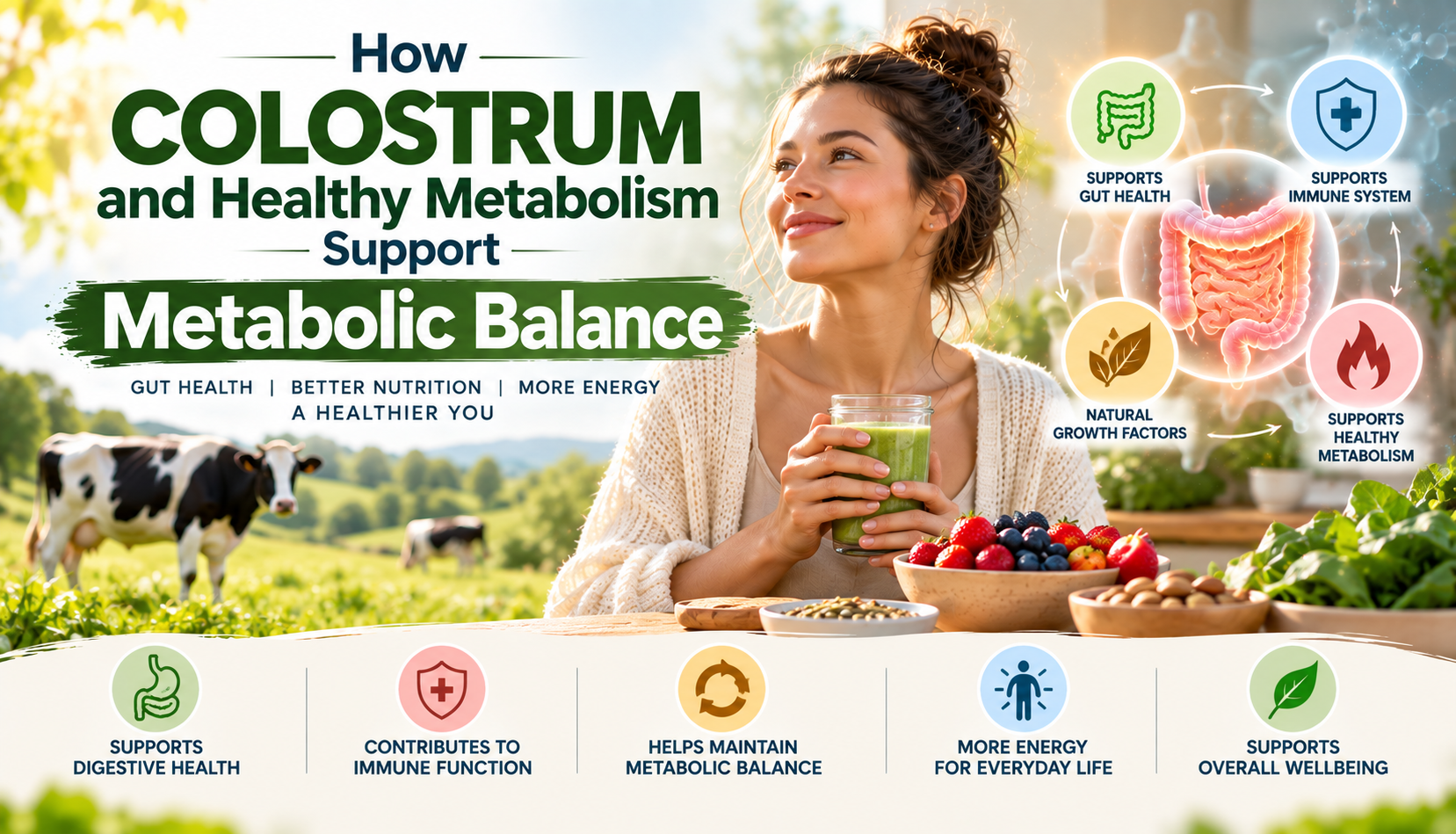
Colostrum and healthy metabolism support is an emerging area of interest in nutrition and general wellbeing. Colostrum is the first form of milk produced by mammals after giving birth and contains a naturally concentrated combination of proteins, immunoglobulins, growth factors, peptides, vitamins, minerals and other nutrients.
Interest in bovine colostrum has expanded beyond early life nutrition because researchers have explored its nutritional composition in relation to gut health, exercise recovery, immune function and metabolic processes. At the same time, it is important to interpret these findings carefully. Much of the research involves specific populations, animal models, controlled studies or particular forms of supplementation, so findings should not automatically be treated as universal outcomes for human use.
A healthy metabolism is influenced by many factors, including food intake, physical activity, sleep, body composition, hydration, stress, age and genetics. Colostrum supplements may provide certain bioactive compounds, but they should be considered within the wider context of balanced nutrition and everyday wellbeing.
Metabolic balance describes the body's ongoing ability to manage energy, nutrients and normal physiological processes. The metabolism involves many interconnected pathways that influence how the body uses carbohydrates, fats and protein.
Energy obtained from food supports everyday activities, cellular processes, movement and other normal functions. The digestive system breaks food down so that nutrients can be absorbed and used throughout the body.
Maintaining a balanced approach to nutrition is therefore more useful than focusing on a single ingredient. A diet containing adequate protein, fibre, carbohydrates, healthy fats, vitamins and minerals can provide a broad nutritional foundation.
This is where colostrum and healthy metabolism support becomes an interesting topic. Colostrum contains a distinctive macronutrient composition and naturally occurring compounds that have been studied for their possible role in gut function, nutrient utilisation and recovery.
Bovine colostrum is the first milk produced by cows after giving birth. It is sometimes described as the first milk because it is produced during the earliest stage of lactation.
Compared with regular cow's milk, bovine colostrum has a different nutritional profile. Research commonly describes higher concentrations of protein, immunoglobulins and several bioactive compounds during the early production period.
Some nutritional sources describe colostrum as containing substantially more protein than regular milk, with certain preparations providing around 150 grams of protein per litre. However, the exact composition can vary according to collection time, animal nutrition, processing and formulation.
Colostrum is also naturally rich in lactoferrin, growth factors, peptides and other nutrients. These components are part of the reason researchers have taken a closer look at bovine colostrum and its potential relationship with gut health and metabolism.
Colostrum should not simply be considered another form of regular milk. Its composition changes rapidly after birth as milk production develops.
Colostrum can contain considerably higher concentrations of immunoglobulins than mature milk. Some descriptions report immunoglobulin concentrations around 20–25% in certain preparations, compared with less than 1% in mature milk. The exact figures depend on the sample and measurement method.
Colostrum also tends to contain higher concentrations of growth factors and proteins, while its fat and sugar content can differ from that of regular milk.
This distinctive composition explains why bovine colostrum has become a subject of nutritional research. The nutrients found in colostrum include:
The phrase liquid gold is sometimes used informally to describe colostrum because of its concentrated nutritional composition during the first days after birth.
From a nutritional perspective, colostrum contains a combination of components that differ from those found in mature milk. It provides proteins, antibodies, growth factors and other compounds that are naturally associated with the early stages of life.
However, descriptive terms such as liquid gold should not be interpreted as evidence of guaranteed benefits. The nutritional value of colostrum is interesting in its own right without needing exaggerated claims.
The relationship between colostrum and healthy metabolism support is being explored through several areas of research.
One area involves the digestive system and gut lining. Another concerns exercise recovery and lean muscle tissue. Researchers have also investigated how some bioactive components of colostrum interact with glucose related processes.
These areas are interconnected because digestion, nutrient absorption, muscle tissue and energy use all contribute to metabolic function.
Current research suggests that certain components of bovine colostrum may influence biological processes associated with nutrient utilisation. However, the evidence is not sufficient to treat colostrum as a standalone approach to metabolic health.
Gut health is closely connected with nutrition because the digestive system is responsible for breaking down food and absorbing nutrients.
The gut contains a complex community of microorganisms, often referred to as the gut microbiome. This community includes many types of bacteria, including beneficial bacteria that contribute to the normal gut environment.
Research suggests that colostrum may support aspects of a healthy gut microbiome. Oligosaccharides found in colostrum can function as natural prebiotics, providing compounds that may be utilised by selected beneficial bacteria.
Lactoferrin has also attracted attention because of its interaction with bacteria and the gut environment.
These findings have contributed to interest in colostrum as a nutrient dense dietary supplement, particularly when discussing gut function and general wellbeing.
The gut lining forms an important interface between food contents and the internal environment of the body. It includes specialised cells and structures that regulate the movement of nutrients.
Research into bovine colostrum has examined intestinal permeability and the integrity of the gut lining. Some studies suggest that components of colostrum may support normal barrier function.
Growth factors and bioactive peptides are among the components being investigated because of their relationship with cellular maintenance and tissue renewal.
The phrase leaky gut is commonly used in popular nutrition discussions to describe increased intestinal permeability. However, research findings involving intestinal permeability should be interpreted in their specific scientific context rather than being applied broadly to every digestive concern.
Several studies have examined colostrum and intestinal permeability using different populations and research models.
One animal study involving preterm pigs reported a reduction in intestinal permeability of approximately 27% following a particular colostrum intervention. Animal findings can provide useful information for research, but they cannot automatically establish the same result in humans.
Research involving athletes has also examined markers associated with gut permeability. Some findings have suggested that colostrum supplementation may influence these markers during periods of physical stress.
These results contribute to the growing discussion around colostrum and healthy metabolism support, but they should be interpreted as research findings rather than guaranteed effects.
A balanced gut environment contains many different microorganisms. Some bacteria are considered beneficial because they contribute to normal digestive processes and the wider gut ecosystem.
Colostrum contains oligosaccharides and lactoferrin, which have attracted research interest in relation to beneficial bacteria.
Lactoferrin may influence the availability of nutrients within the gut environment and has been investigated for its interaction with different bacterial populations. Oligosaccharides may act as natural prebiotics.
This is one reason researchers are exploring whether colostrum can support microbiome diversity. Greater microbial diversity is often discussed in connection with healthy gut function and metabolic balance, although the relationship is complex.
Colostrum contains naturally occurring components that interact with microorganisms. Lactoferrin, immunoglobulins and other proteins are among the compounds studied for their interaction with bacteria.
Some research has examined bacteria such as E. coli in relation to colostrum components. However, these findings should not be interpreted as meaning that colostrum prevents or treats bacterial conditions.
The more appropriate nutritional perspective is that colostrum contains compounds involved in the natural biological environment of milk and the digestive system.
The relationship between colostrum and gut permeability is one of the more frequently discussed areas of research.
Studies have investigated whether bovine colostrum can influence markers associated with intestinal barrier function. Findings have varied depending on the population, dosage, duration and study design.
Some research suggests that colostrum may help maintain aspects of gut barrier integrity, while other studies have produced less consistent findings.
This is why terms such as colostrum help, gut permeability and intestinal permeability should be understood in a research context rather than as promises of a particular outcome.
Colostrum naturally contains growth factors, including compounds associated with tissue maintenance and cellular activity.
One of the best known components discussed in this context is insulin like growth factor, commonly referred to as IGF-1. Colostrum contains IGF-1 along with other growth related compounds.
Researchers have examined these compounds because they may be involved in normal cellular processes. Colostrum also contains proteins and peptides that have been studied in relation to tissue repair and regeneration.
However, the presence of a growth factor in a food or dietary supplement does not automatically mean that consuming it will produce a specific physiological effect.
The terms cell growth and cellular regeneration frequently appear in discussions of colostrum.
Colostrum contains several bioactive compounds that have been studied in relation to cellular processes. Growth factors and peptides are particularly interesting because of their involvement in normal tissue maintenance.
Some research has investigated whether colostrum can support processes associated with tissue recovery following physical activity.
This is one reason colostrum has attracted attention among people interested in exercise nutrition, recovery and general wellbeing.
Muscle tissue has a higher energy requirement than fat tissue, meaning that maintaining lean muscle mass can contribute to overall energy expenditure.
Colostrum contains protein and growth related compounds that have been studied in connection with muscle recovery and tissue maintenance.
Some research suggests that colostrum supplementation may influence markers associated with exercise induced muscle soreness. Other studies have investigated muscle recovery following demanding physical activity.
These findings are interesting but should not be interpreted as evidence that colostrum alone determines muscle development or metabolic rate.
Regular resistance exercise, adequate protein intake, sufficient energy, sleep and recovery remain important parts of a balanced approach to maintaining lean muscle tissue.
Exercise creates temporary demands on the body, particularly when activity is frequent or intense. Nutrition plays a role in providing the protein, carbohydrates, fluids and micronutrients needed during recovery.
Colostrum has been investigated as a source of protein and bioactive compounds that may complement exercise nutrition.
Some studies have reported changes in markers associated with exercise-related muscle soreness following colostrum supplementation. Research has also explored its relationship with cellular recovery.
These findings are still best viewed as part of a developing research area rather than a guarantee of faster or more complete recovery.
Another area of interest involves glucose transport and the GLUT-4 pathway.
GLUT-4 is a glucose transporter associated with skeletal muscle and other tissues. Research has examined whether components of colostrum may influence GLUT-4 translocation and therefore glucose uptake.
Bioactive peptides and growth factors in colostrum have also been investigated for their potential relationship with insulin response and glucose handling.
Some findings suggest that colostrum may influence aspects of glucose utilisation, but research results depend on study conditions, participant characteristics and supplementation protocols.
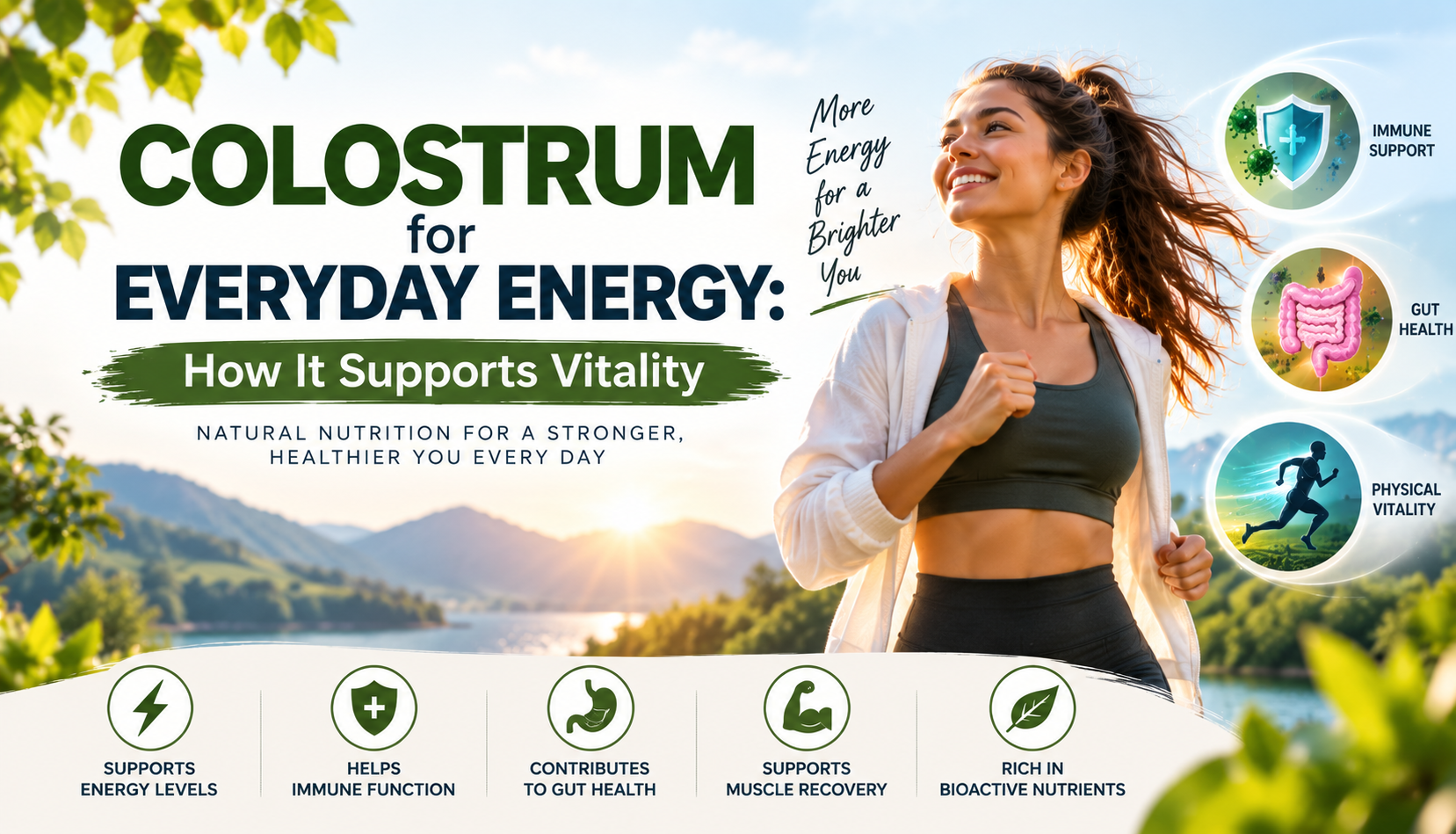
Energy levels depend on numerous factors, including total food intake, sleep, hydration, physical activity, stress and the availability of nutrients.
A balanced metabolism helps the body use nutrients for everyday energy requirements. Protein, carbohydrates and fats each have different roles in providing and storing energy.
Colostrum provides protein and several bioactive compounds, making it nutritionally interesting. However, it should not be considered a replacement for a varied diet.
For people experiencing regular fatigue or changes in energy levels, the wider nutritional and lifestyle picture is more important than relying on a single supplement.
Some research has explored whether components of colostrum can influence post-meal glucose responses, sometimes described as postprandial glycaemia.
Bioactive compounds, proteins and growth factors are among the components being investigated.
Research into glucose uptake and insulin related processes has generated interest in the potential relationship between colostrum and metabolic function.
However, these findings do not establish that colostrum can control blood sugar levels in every person. Individual nutrition, food intake, physical activity and overall metabolic health all influence glucose handling.
The phrase metabolic function covers a broad range of processes involved in how the body uses nutrients and energy.
Colostrum has been investigated in relation to several of these processes, including gut function, muscle recovery and glucose utilisation.
Some research has reported changes in markers associated with metabolic function and fat utilisation following colostrum supplementation. Other studies have focused on exercise related outcomes.
A 2022 review described colostrum as an area of considerable interest for gut health research, although the overall evidence remains dependent on study design and population.
The emerging picture is therefore one of potential nutritional relevance rather than a definitive metabolic solution.
The relationship between colostrum supplementation and fat utilisation has also attracted attention.
Some research has explored whether bioactive components of colostrum may influence energy metabolism during or after exercise. However, body weight and body composition are affected by many variables.
Food intake, total energy expenditure, physical activity, sleep, muscle mass and genetics all contribute to changes in body weight.
Consequently, claims that colostrum supplementation directly causes weight loss or fat burning should be approached cautiously.
A more balanced perspective is to consider colostrum as one possible source of nutrients within a wider nutrition and wellbeing routine.
Lean muscle tissue is metabolically active. Maintaining muscle mass can therefore contribute to daily energy expenditure.
Protein provides amino acids needed for the maintenance of body tissues. Colostrum is naturally protein rich, although the exact amount varies between preparations.
Resistance training, adequate dietary protein and sufficient overall nutrition are among the factors commonly considered when maintaining lean muscle.
Colostrum may be of interest within this context because it contains protein, IGF-1, growth factors and other bioactive compounds. However, its contribution should be considered alongside the complete diet and exercise routine.
Colostrum contains immunoglobulins, including IgG, as well as lactoferrin and other compounds associated with the natural immune environment of milk.
The immune system depends on many nutrients and biological processes. White blood cells, antibodies and proteins all have different roles within normal immune function.
Research has explored whether colostrum supplementation may influence certain immune related markers, particularly in physically active populations.
Some studies involving athletes have reported changes in measures associated with upper respiratory health. However, these findings should not be interpreted as evidence that colostrum prevents illness.
Proline rich polypeptides are another group of compounds found in colostrum.
Research has examined these peptides because of their potential role in modulating immune responses. Rather than describing them as producing a guaranteed effect, it is more accurate to say that they are biologically active compounds being investigated for their relationship with immune balance.
This is relevant to the broader conversation about colostrum and healthy metabolism support because metabolic processes and immune related processes are interconnected within normal physiology.
Lactoferrin is an iron binding protein naturally found in colostrum.
It is one of the components that makes bovine colostrum particularly interesting from a nutritional research perspective. Studies have investigated lactoferrin in relation to bacteria, gut health and the intestinal environment.
Lactoferrin may also interact with the balance between different microorganisms in the gut. This has contributed to research into beneficial bacteria and probiotics.
Its presence in colostrum adds another layer to the discussion around gut health and general wellbeing.
Inflammation is a natural biological process, and researchers often measure different markers when studying how nutrition interacts with the body's responses to physical stress.
Colostrum has been investigated in relation to several inflammatory markers. Some research has reported changes in markers such as C-reactive protein, IL-6 and TNF-alpha following particular supplementation protocols.
Lactoferrin and other colostrum components have also been investigated for their relationship with inflammatory signalling.
These findings are interesting, but individual studies should not be interpreted as proof that colostrum can prevent or treat an inflammatory condition.
Colostrum contains naturally occurring compounds that have been studied for antioxidant activity.
Antioxidants are involved in processes related to oxidative balance within the body. Physical activity, environmental factors and normal metabolism can all contribute to oxidative processes.
Research has explored whether colostrum can influence markers associated with cellular oxidative stress. Some findings suggest potential nutritional relevance, particularly in exercise settings.
Again, the appropriate interpretation is that colostrum contains compounds with antioxidant properties rather than that supplementation guarantees a particular health outcome.
Microbiome diversity refers broadly to the variety of microorganisms present within the gut.
A diverse microbial environment is frequently studied in relation to digestive and metabolic processes. Colostrum contains oligosaccharides and lactoferrin that have attracted interest because of their potential interaction with the gut microbiome.
Research suggests that these components may help create an environment that supports beneficial bacteria.
However, the gut microbiome is influenced by many dietary and lifestyle factors, including fibre intake, plant foods, fermented foods, physical activity and overall diet quality.
Oligosaccharides found in colostrum can function as natural prebiotics.
Prebiotics are compounds that can be used by selected microorganisms in the gut. Their presence in colostrum is one reason researchers have examined its relationship with beneficial bacteria and microbiome diversity.
The prebiotic components of colostrum are particularly interesting because they provide another potential connection between nutrition and gut health.
Still, colostrum is only one dietary source of prebiotic compounds. Fibre rich plant foods also provide a wide variety of compounds that support a diverse diet.
The digestive system processes food, absorbs nutrients and interacts continuously with the gut microbiome.
Colostrum contains nutrients and bioactive compounds that have been researched in relation to gut function. Studies have examined gut lining integrity, intestinal permeability, beneficial bacteria and inflammatory markers.
This makes gut health one of the most discussed areas within the broader field of bovine colostrum research.
Supporting digestive wellbeing generally involves a varied diet, sufficient fibre, adequate fluid intake, regular physical activity and appropriate sleep.
Animal research has contributed to understanding how colostrum interacts with the digestive system.
Studies involving preterm pigs have examined colostrum, intestinal development and permeability. One frequently discussed finding is a 27% reduction in intestinal permeability in a particular research model.
Such findings are valuable for understanding biological processes, but animal studies cannot automatically predict outcomes in humans.
The same principle applies to research involving infant formula or other specialised nutritional models. Findings need to be interpreted within the population and circumstances in which they were observed.
Colostrum is naturally produced immediately after birth, and its role in early nutrition is distinct from its later use as a dietary supplement.
Human breast milk and bovine colostrum have different compositions. Cow's milk also differs from colostrum produced during the first days after giving birth.
Research involving infant nutrition should therefore not be directly transferred to adults using colostrum supplements.
For adult human use, the relevant questions concern the composition of the specific supplement, its nutritional content and how it fits into an individual's overall diet.
The question how much colostrum someone should take does not have one universal answer.
Colostrum products can vary substantially in concentration, processing method and serving size. Research studies also use different supplementation protocols, making direct comparisons difficult.
For this reason, following the directions associated with a specific dietary supplement and seeking personalised guidance from a healthcare provider may be appropriate.
More is not automatically better, and supplementation should not replace a varied diet.
Colostrum supplements are available in different forms, including powders, capsules and liquid preparations.
Their nutritional composition can differ depending on collection timing and processing. Because colostrum is collected soon after giving birth, handling and preservation can influence the final composition.
Quality control throughout collection, processing and storage is therefore relevant to maintaining the characteristics of the finished ingredient.
When considering a dietary supplement, it is useful to view it as one part of a broader nutritional pattern rather than as the foundation of metabolic balance.
Pregnancy is a distinct nutritional stage with changing dietary requirements. Colostrum itself is naturally associated with the period immediately following birth, while bovine colostrum supplements are a separate nutritional product.
Anyone considering dietary supplementation during pregnancy should seek personalised guidance from an appropriate healthcare provider rather than assuming that research involving adults or animals applies to pregnancy.
The same principle applies during breastfeeding and other stages where nutritional needs may differ.
Food intake remains one of the most important factors affecting energy balance and metabolism.
A diet based on a variety of whole foods can provide protein, fibre, vitamins, minerals, carbohydrates and healthy fats.
Colostrum can provide protein and other naturally occurring compounds, but it does not replace the broad range of nutrients found across a varied diet.
A sustainable approach to metabolic balance therefore includes sufficient nutrition rather than focusing narrowly on weight loss.
Energy levels can fluctuate throughout the day. Sleep quality, meal composition, hydration, activity, stress and total food intake can all contribute.
Protein rich foods can contribute to satiety and provide amino acids needed for normal tissue maintenance. Colostrum's protein content is one reason it has attracted interest among people exploring nutritional supplementation.
However, a dietary supplement should not be viewed as a guaranteed way to increase energy.
If fatigue is persistent or unexplained, personalised professional guidance is more appropriate than attempting to address the issue through supplementation alone.
General wellbeing involves more than metabolic processes. Mood, sleep, energy, movement, nutrition and social factors all contribute to how someone feels from day to day.
Colostrum may fit into a wellbeing routine when considered as a source of protein and naturally occurring bioactive compounds.
The potential benefits of colostrum should therefore be considered within a broader framework that includes balanced nutrition, physical activity and adequate rest.
The phrase metabolic balance programme can describe structured approaches that focus on food choices, meal patterns, body composition and lifestyle habits.
Such programmes may differ significantly in their approach. A balanced nutritional routine generally considers protein, carbohydrates, fats, fibre, vitamins and minerals rather than concentrating on one food or supplement.
Colostrum may be discussed within this context because of its protein content and bioactive compounds, but there is no reason to assume that a metabolic balance programme must include colostrum.
Colostrum is often described as nutrient dense because it contains multiple categories of naturally occurring compounds in a relatively concentrated form.
These include:
The concentration of these nutrients changes as milk production progresses after birth. Colostrum collected earlier tends to have a different composition from milk collected later.
Colostrum is collected during the early period after giving birth. For bovine colostrum, collection timing can influence the concentration of immunoglobulins and other components.
Rapid cooling after collection is commonly discussed as an important quality preservation step. Hygiene during collection is also important because milk is a nutrient rich environment in which unwanted contamination could occur.
Processing methods can subsequently influence the preservation of bioactive compounds.
This is why quality control is relevant throughout the colostrum supply chain.
Colostrum contains sensitive bioactive compounds, including proteins and growth factors.
Processing methods therefore need to account for the characteristics of these compounds. Excessive heat or inappropriate storage conditions may influence the composition of the finished ingredient.
Proper processing aims to preserve the naturally occurring characteristics of colostrum while creating a suitable dietary supplement.
This does not mean that every product has identical characteristics. Different processing methods can result in differences in composition.
When considering colostrum supplementation, several factors can influence its nutritional characteristics.
These include:
Understanding these factors can provide a more realistic view of colostrum rather than treating all supplements as identical.
Colostrum contains compounds naturally involved in early-life nutrition. Growth factors, proteins, peptides and immunoglobulins are among the components that have attracted scientific interest.
Researchers have investigated whether these compounds may interact with normal processes involving the gut, muscles, immune function and nutrient metabolism.
This does not mean that consuming colostrum reproduces the biological environment of early life. Instead, it highlights why its composition continues to attract interest.
Searches for terms such as colostrum good for metabolism reflect growing consumer interest in the topic.
The evidence is more nuanced than a simple yes or no answer.
Colostrum provides protein and bioactive compounds, and research has explored its relationship with gut function, glucose utilisation, muscle recovery and immune related processes.
However, metabolic health depends on a broad combination of factors. A balanced diet, regular movement, adequate sleep and appropriate energy intake remain central to everyday wellbeing.
The benefits of colostrum discussed in research include potential relationships with:
These areas remain subjects of research, and outcomes can vary.
It is therefore more appropriate to describe colostrum as a nutrient-rich source of bioactive compounds than to present it as a guaranteed solution for a particular health concern.
No single dietary supplement provides every nutrient needed for wellbeing.
Protein, fibre, fruits, vegetables, whole grains, healthy fats and adequate fluids all contribute to a varied nutritional pattern.
Colostrum can provide proteins and other compounds, but it should sit within this wider dietary context.
For someone interested in colostrum and healthy metabolism support, the most useful perspective is to consider how supplementation fits alongside everyday food choices rather than replacing them.
A practical approach to metabolic wellbeing can include several everyday habits.
Adequate protein supports the maintenance of lean tissue. Sources can include dairy foods, eggs, fish, legumes, meat, nuts and other protein-rich foods.
Colostrum is another source of protein, although its role depends on the specific product and individual dietary needs.
Fibre supports digestive function and provides food for certain gut microorganisms. Fruits, vegetables, legumes, whole grains, nuts and seeds can contribute to daily fibre intake.
Regular movement supports muscle maintenance and energy expenditure. Combining everyday activity with resistance-based exercise can be useful for maintaining lean muscle.
Sleep influences energy, mood, appetite and everyday wellbeing. Consistent sleep habits can therefore complement nutritional strategies aimed at supporting metabolic balance.
A varied diet provides a broader range of vitamins, minerals, proteins and other nutrients than relying heavily on a single supplement.
The relationship between colostrum and healthy metabolism support is best understood as part of a wider network involving nutrition, digestion, muscle tissue, physical activity and everyday energy balance.
Bovine colostrum contains a distinctive combination of proteins, immunoglobulins, lactoferrin, growth factors, peptides and oligosaccharides. Research has explored how these compounds may interact with the gut lining, beneficial bacteria, cellular processes and glucose related pathways.
Some findings are promising, while others remain preliminary or context dependent. Animal research, athlete studies and laboratory findings can provide useful insights, but they do not necessarily predict the same outcomes for every person.
This distinction is especially important when discussing terms such as weight loss, fat burning, insulin response, blood sugar and metabolic function.
Bovine colostrum contains protein, growth factors, immunoglobulins, lactoferrin and other bioactive compounds. Research has explored its relationship with gut function, glucose utilisation, exercise recovery and metabolism. Current research does not support treating it as a standalone approach to metabolic health.
Research suggests that colostrum may support aspects of gut health through components such as lactoferrin, immunoglobulins, peptides and oligosaccharides. Findings vary according to the study and population.
Yes. Colostrum naturally contains several growth factors and other bioactive compounds. IGF-1 is among the growth related components commonly discussed in colostrum research.
Yes. Colostrum is naturally protein rich. Some preparations have been described as containing up to 150 grams of protein per litre, although composition varies considerably.
Colostrum has a different composition from mature milk and generally contains a higher concentration of protein during the earliest stage after birth. Some sources describe it as containing around three to four times more protein than regular milk, depending on the samples compared.
Yes. Colostrum contains immunoglobulins, particularly IgG. Concentrations are highest during the early period after birth and decline as milk production progresses.
Yes. Lactoferrin is naturally present in colostrum and has been studied in relation to gut health, bacteria and the wider digestive environment.
There is no universal amount that applies to everyone. Supplementation protocols vary between products and research studies. The appropriate approach depends on the specific formulation and individual circumstances.
Some studies have explored colostrum supplementation in physically active people and reported changes in markers associated with muscle soreness and recovery. Results vary, so it should not be viewed as a guaranteed recovery solution.
Research has explored colostrum in relation to energy metabolism and fat utilisation, but body weight is influenced by many factors. There is not enough basis to present colostrum as a guaranteed weight loss approach.
Some research has investigated the relationship between colostrum components and glucose uptake, GLUT-4 activity and insulin-related processes. These findings remain an area of ongoing research.
Colostrum contains oligosaccharides that can function as prebiotic compounds. These may interact with selected beneficial bacteria in the gut.
No. Bovine colostrum is produced during the first days after a cow gives birth and has a different composition from mature cow's milk.
No. Human breast milk and bovine colostrum have different nutritional compositions. Research involving one should not automatically be applied to the other.
Colostrum and healthy metabolism support is an expanding area of nutritional research. Bovine colostrum contains a distinctive combination of proteins, immunoglobulins, lactoferrin, growth factors, peptides, vitamins, minerals and oligosaccharides.
Research has explored its relationship with gut permeability, microbiome diversity, beneficial bacteria, gut lining integrity, glucose utilisation, lean muscle tissue, exercise recovery and immune-related processes.
Some studies have reported encouraging findings, including research involving athletes and animal models. However, these results need to be interpreted carefully because study populations, doses, formulations and research methods vary.
Metabolic balance is influenced by much more than one dietary supplement. Food intake, protein and fibre intake, physical activity, sleep, hydration, muscle mass and general lifestyle habits all contribute to everyday wellbeing.
For this reason, colostrum may be best understood as one source of naturally occurring nutrients and bioactive compounds within a broader nutrition routine. Its potential role in gut health and metabolism remains an area where further research may provide additional insight.
Disclaimer: This article is intended for educational and general informational purposes only. It does not replace professional advice, personalised nutritional guidance or an individual assessment. Research findings concerning colostrum can vary according to the population, formulation, dosage and study design, and individual responses may differ.

Join The Hub community. Subscribe today and receive a monthly email with our newest blogs and articles on health, wellness, and nutrition to keep you informed and inspired.
By signing up you agree to our User Agreement and Privacy Policy & Cookie Statement


Newsletter
By signing up you agree to our User Agreement and Privacy Policy & Cookie Statement
By accessing, browsing, or using this website (the “www.newimage.world/thehub”), you acknowledge and agree to the terms of this Disclaimer. The Website, including its blogs, podcasts, videos, and any other content (collectively, the “Content”), is operated by New Image™ International (“the Company,” “we,” “our,” or “us”).
All Content made available on this Website is provided strictly for general informational and educational purposes only. The Content does not constitute, and should not be relied upon as, medical advice, diagnosis, treatment, prescription, or professional health consultation of any kind.
The Company makes no representations or warranties regarding the accuracy, completeness, reliability, or timeliness of the Content. The Content may include information collected from external or third-party sources, and we do not independently verify such information. Accordingly, no nutritional, health, or wellness claims are endorsed, warranted, or guaranteed by the Company.
To the fullest extent permitted by applicable law:
Your use of the Website does not establish any doctor–patient, nutritionist–client, or other professional relationship between you and the Company or any of its representatives.
The Website may include references, links, or access to third-party websites, podcasts, or resources. The Company does not control, endorse, or assume any responsibility for such third-party content and shall not be held liable for any damages arising from your use of or reliance on it.
By clicking “Accept” on the Website’s pop-up disclaimer, you expressly acknowledge that you have read, understood, and agreed to be bound by this Disclaimer. Your continued use of the Website constitutes ongoing acceptance of these terms. If you no longer agree with this Disclaimer, you must immediately discontinue use of the Website.
Join The Hub community. Subscribe today and receive a monthly email with our newest blogs and articles on health, wellness, and nutrition to keep you informed and inspired.
By signing up you agree to our User Agreement and Privacy Policy & Cookie Statement

















.webp)
.webp)