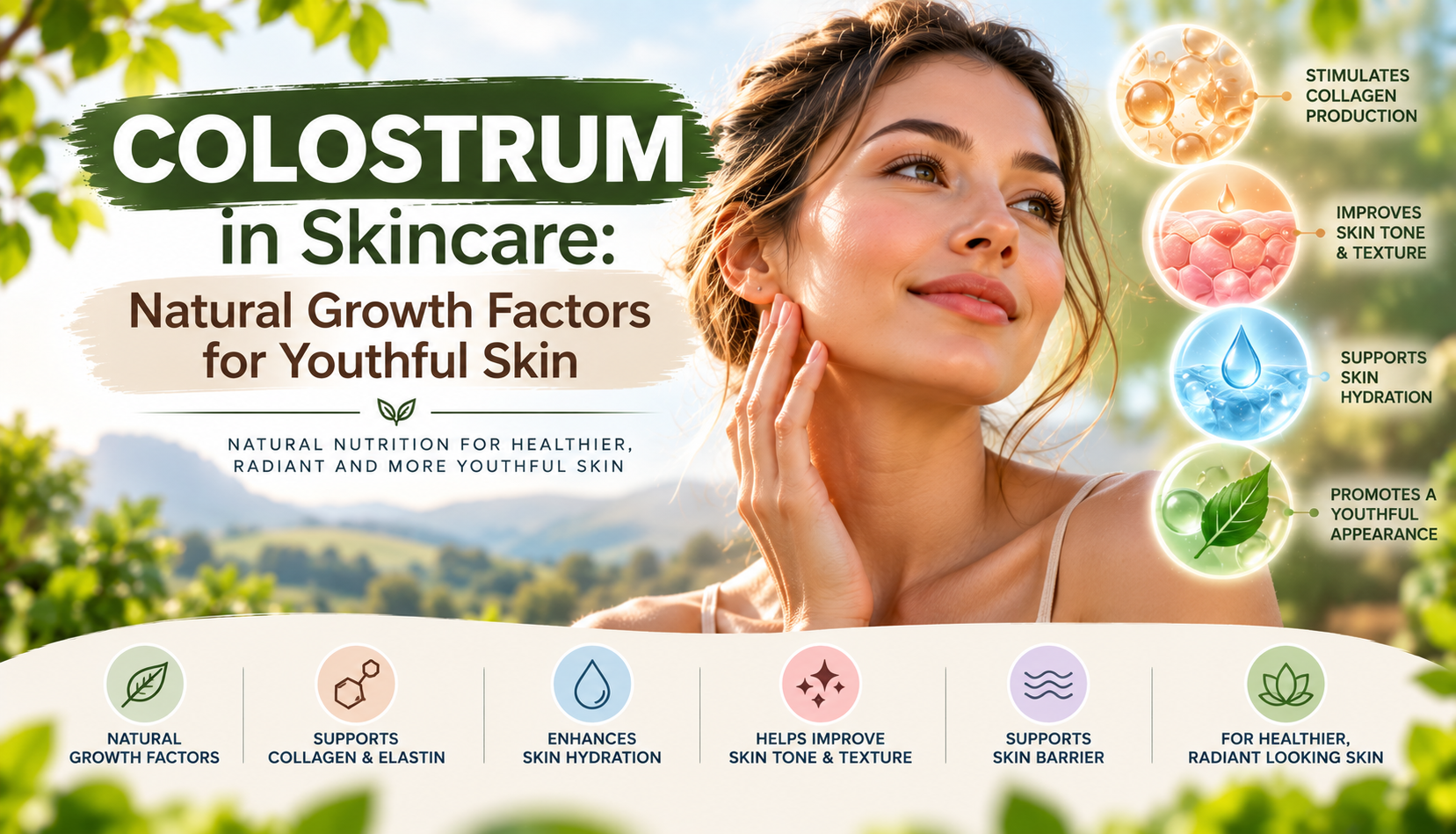
Colostrum in skincare has attracted interest because of its naturally occurring proteins, peptides, growth factors, immunoglobulins, vitamins, minerals and other skin supporting nutrients. Colostrum is produced by mammals during the first days after birth and is naturally rich in bioactive compounds.
In skincare formulations, colostrum may be found in serums, moisturisers and balms. Its nutritional composition has encouraged interest in how these ingredients may complement everyday skin care routines focused on moisture, skin quality and a youthful appearance.
At the same time, it is important to distinguish topical skincare from procedures involving injections. Natural growth factor injections and platelet-rich plasma or PRF treatments are separate approaches and should not be considered equivalent to applying colostrum to the skin.
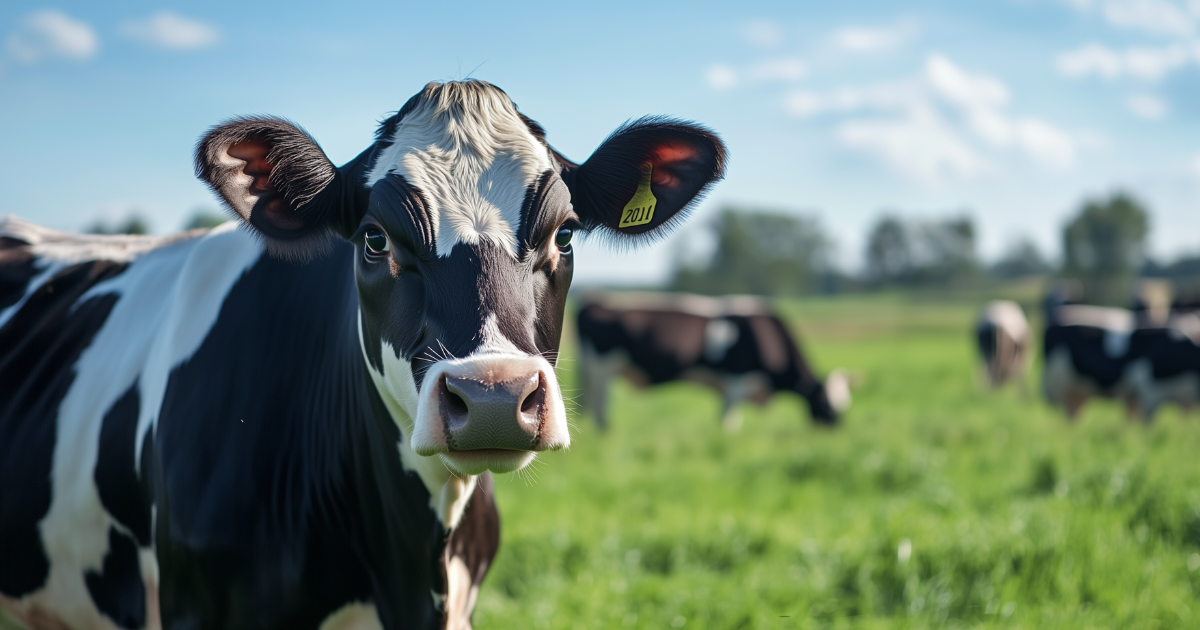
Colostrum is the first form of milk produced by mammals after birth. It is collected immediately after birth, when concentrations of several naturally occurring components are particularly high. IgG antibodies are also found at high concentrations during this early period.
The composition includes proteins, peptides, immunoglobulins, lactoferrin, vitamins, minerals and other nutrients. Because of this combination, colostrum has been explored as an ingredient in different forms of skin care.
Proper processing is important because it can help preserve naturally occurring bioactive components. Rapid cooling after collection can also support quality preservation, while good hygiene during collection helps minimise contamination. Quality control throughout the supply chain is therefore an important consideration when colostrum is used in skincare formulations.
The growing interest in colostrum in skincare is largely associated with its naturally occurring growth factors and bioactive peptides. These compounds are being studied for their potential role in supporting normal skin processes.
Colostrum contains growth factors that have been associated with collagen and elastin synthesis. Collagen contributes to the structural properties of skin, while elastin is associated with elasticity. Current research suggests that these naturally occurring components may have an emerging role in maintaining skin quality.
Colostrum also contains immunoglobulins, including IgG, and lactoferrin. These components have attracted interest because of their interaction with the skin environment.
However, topical colostrum should not be presented as a guaranteed way to rejuvenate skin or reverse signs of ageing. Individual responses can vary depending on skin type, formulation, frequency of use and other aspects of a person's overall health and skin care routine.
Growth factors are naturally occurring signalling proteins involved in various processes within the body. In skincare discussions, they are often associated with the body's natural healing process and normal tissue maintenance.
Some research has examined how growth factors may support collagen production and skin structure. Colostrum naturally contains several growth related compounds, which is one reason it has become an ingredient of interest.
Collagen production naturally changes with ageing. This can contribute to visible changes such as reduced elasticity, fine lines and changes in skin texture. Supporting a consistent skin care routine may help maintain the appearance of healthy looking skin, although no single ingredient can guarantee a more youthful appearance.
Natural growth factor injections represent a different category of aesthetic procedure. These approaches aim to utilise the body's own biological materials or healing mechanisms. Similarly, PRF treatments use a person's blood sample to create a preparation containing platelets and naturally occurring growth factors.
Some information on PRF suggests that treatments may improve skin tone and texture over time and may reduce the appearance of fine lines and wrinkles. Reported results can sometimes last up to 12 months or longer, although outcomes and duration vary between individuals.
Topical applications of colostrum are used in formulations designed to target different layers of the skin surface. Colostrum can contribute moisture-supporting components and may help enhance moisture retention within the skin barrier.
Its bioactive peptides are also being investigated for their relationship with cellular repair and regeneration. Some formulations use colostrum because of its naturally occurring antimicrobial properties, while lactoferrin has been studied for its anti-inflammatory activity.
These characteristics have contributed to interest in colostrum for concerns involving dryness, redness, blemishes, uneven-looking skin tone and general skin quality. However, research findings should be interpreted carefully, as the composition and concentration of colostrum can vary between formulations.
A skincare product containing colostrum may therefore be best viewed as one part of a wider routine rather than a standalone solution for specific concerns.
Moisture plays a vital role in maintaining the appearance and feel of healthy skin. When the skin barrier is well supported, it can help maintain moisture and contribute to a smoother, more comfortable appearance.
Colostrum contains proteins and other naturally occurring compounds that have encouraged research into moisture retention and barrier support. Some skincare formulations combine colostrum with moisturising ingredients, allowing users to incorporate it into a broader approach to skin care.
Regular cleansing, appropriate moisturising, sun protection and a balanced diet can also contribute to maintaining skin health. Nutrients obtained through food provide the body with proteins, vitamins, minerals and other compounds required for normal functions.
Colostrum is only one ingredient being explored for maintaining skin quality. Other commonly discussed ingredients include retinol, moisturising agents, peptides and antioxidant compounds.
Retinol is known for accelerating cell turnover and improving the appearance of skin texture. Colostrum, meanwhile, contains naturally occurring growth factors, proteins and peptides that have generated interest in cellular regeneration and collagen-related processes.
These ingredients work within different skincare contexts, so they should not automatically be considered interchangeable. A suitable routine depends on individual skin characteristics, existing products and specific concerns.
For someone dealing with dark spots, uneven looking skin tone, dryness, blemishes or visible signs of ageing, personalised guidance can help determine which ingredients may fit their routine.
A natural beauty routine does not necessarily need to contain a large number of products. Consistency, gentle skin care and attention to moisture can be important foundations.
Colostrum may be incorporated through a serum, moisturiser or balm depending on the formulation. Its naturally occurring proteins, growth factors, immunoglobulins and other nutrients make it an interesting ingredient for people exploring newer approaches to skin care.
Healthy looking skin is also influenced by factors beyond topical products. Sleep, hydration, food choices, physical activity, stress, environmental exposure and overall health can all influence how the skin looks and feels.
This broader perspective is useful because skin quality is influenced by multiple processes rather than one individual ingredient.
The term natural growth factor injections generally refers to aesthetic procedures designed around naturally occurring biological materials and growth factors. These procedures are different from topical colostrum products.
PRF treatments, for example, involve taking a blood sample and processing it to create a preparation containing platelets and growth related components. Discussions around PRF often focus on skin tone, texture, elasticity and the appearance of fine lines and wrinkles.
Some reports describe results lasting up to 12 months or longer, but duration can differ considerably. A treatment plan tailored to an individual's needs may also involve multiple considerations, including skin condition, targeted areas and personal goals.
These procedures should therefore be discussed with an appropriately qualified professional rather than viewed as equivalent to everyday skin care.
When considering colostrum in skincare, it can be useful to take a closer look at the complete formulation rather than focusing on one ingredient.
Consider factors such as:
It is also worth remembering that natural does not automatically mean suitable for everyone. Patch testing may be appropriate for new topical products, particularly when someone has sensitive skin.
A dermatologist or other appropriately qualified professional can provide personalised guidance when there are persistent or specific skin concerns.
The potential benefits of colostrum in skincare should be considered within the broader context of skin health and general wellness. Skin naturally undergoes processes involving regeneration, moisture balance, collagen and elasticity throughout life.
A balanced diet supplies proteins, vitamins, minerals and other nutrients needed for normal body functions. Adequate hydration and sleep can also support general wellbeing, while everyday skin care can help maintain moisture and comfort.
Colostrum's naturally occurring growth factors, peptides, proteins and immunoglobulins make it an interesting ingredient for modern skincare formulations. However, research is still developing, and the effects of topical formulations can depend on how the ingredient is processed, formulated and used.
Colostrum in skincare is receiving attention because it naturally contains growth factors, proteins, peptides, immunoglobulins and other bioactive compounds. These components have been investigated in relation to collagen production, moisture retention, skin barrier support and general skin quality.
Colostrum is found in different forms, including serums, moisturisers and balms, making it possible to incorporate the ingredient into everyday skin care routines. Its naturally occurring lactoferrin, IgG antibodies and peptides add to the interest surrounding its use.
At the same time, claims surrounding collagen, cellular regeneration, wrinkles, blemishes and youthful appearance should be interpreted cautiously. Natural growth factor injections and PRF treatments are separate procedures and should not be confused with topical colostrum.
A consistent routine, balanced nutrition and personalised guidance can all have a role in maintaining healthy looking skin. Colostrum may be one ingredient worth exploring as part of that broader approach to natural beauty and wellness.
Disclaimer: This article is provided for educational and general informational purposes only. It does not replace professional advice, personalised guidance or an individual assessment of skincare needs. Research into colostrum and its uses in skincare continues to develop, and individual experiences may vary.
Join The Hub community. Subscribe today and receive a monthly email with our newest blogs and articles on health, wellness, and nutrition to keep you informed and inspired.
By signing up you agree to our User Agreement and Privacy Policy & Cookie Statement


Newsletter
By signing up you agree to our User Agreement and Privacy Policy & Cookie Statement
By accessing, browsing, or using this website (the “www.newimage.world/thehub”), you acknowledge and agree to the terms of this Disclaimer. The Website, including its blogs, podcasts, videos, and any other content (collectively, the “Content”), is operated by New Image™ International (“the Company,” “we,” “our,” or “us”).
All Content made available on this Website is provided strictly for general informational and educational purposes only. The Content does not constitute, and should not be relied upon as, medical advice, diagnosis, treatment, prescription, or professional health consultation of any kind.
The Company makes no representations or warranties regarding the accuracy, completeness, reliability, or timeliness of the Content. The Content may include information collected from external or third-party sources, and we do not independently verify such information. Accordingly, no nutritional, health, or wellness claims are endorsed, warranted, or guaranteed by the Company.
To the fullest extent permitted by applicable law:
Your use of the Website does not establish any doctor–patient, nutritionist–client, or other professional relationship between you and the Company or any of its representatives.
The Website may include references, links, or access to third-party websites, podcasts, or resources. The Company does not control, endorse, or assume any responsibility for such third-party content and shall not be held liable for any damages arising from your use of or reliance on it.
By clicking “Accept” on the Website’s pop-up disclaimer, you expressly acknowledge that you have read, understood, and agreed to be bound by this Disclaimer. Your continued use of the Website constitutes ongoing acceptance of these terms. If you no longer agree with this Disclaimer, you must immediately discontinue use of the Website.
Join The Hub community. Subscribe today and receive a monthly email with our newest blogs and articles on health, wellness, and nutrition to keep you informed and inspired.
By signing up you agree to our User Agreement and Privacy Policy & Cookie Statement












.webp)
.webp)