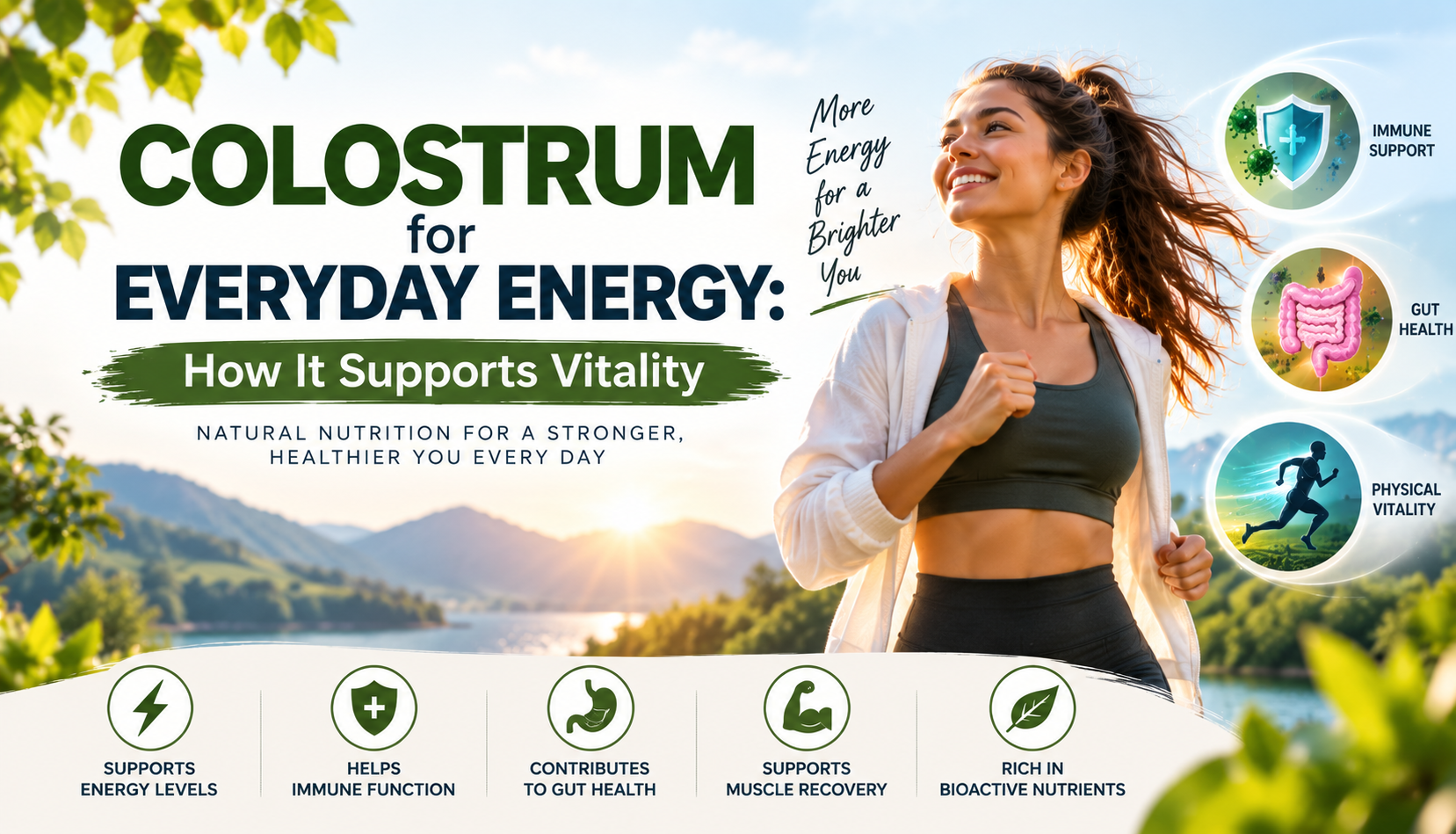
Everyday energy is influenced by many factors, including nutrition, sleep, movement, hydration, stress, meal patterns and overall lifestyle. For people looking to build a consistent wellness routine, dietary supplements are sometimes considered alongside a balanced diet and other healthy habits.
One supplement that has attracted significant interest is bovine colostrum. Often described as the “first milk”, colostrum is produced by female mammals shortly after giving birth. Bovine colostrum comes from dairy cows and has a distinctive nutritional composition containing proteins, immunoglobulins, growth factors, oligosaccharides, vitamins, minerals and other bioactive compounds.
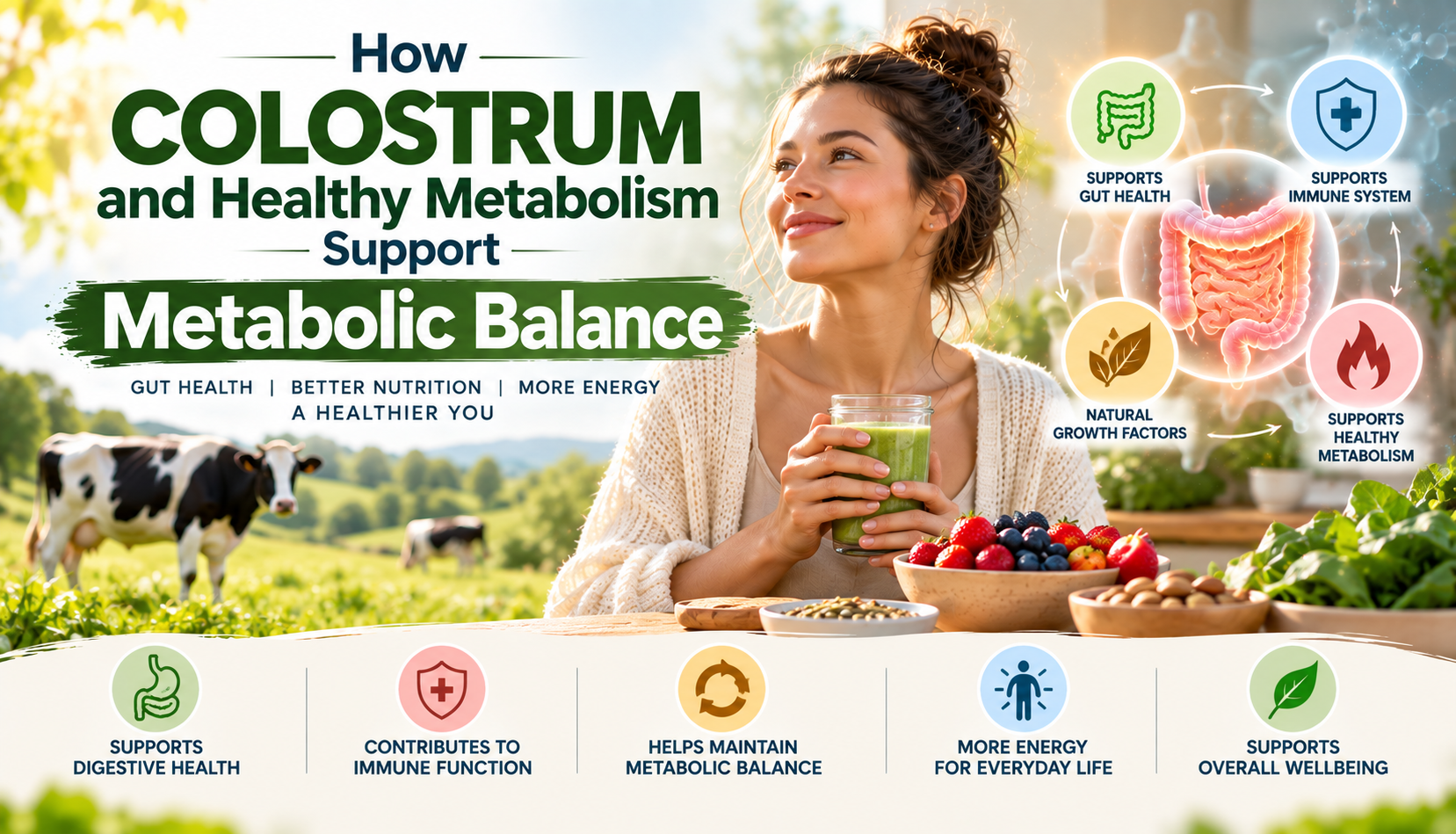
The phrase colostrum for everyday energy does not mean that colostrum acts as a direct energy source in the same way as carbohydrates or dietary fats. Instead, research has explored whether its nutrients and bioactive compounds may complement areas connected with gut health, immune function, exercise recovery and general wellbeing.
Current research suggests that some adults may experience potential benefits from bovine colostrum supplementation, but findings vary. Colostrum should therefore be viewed as one possible part of a broader nutrition and lifestyle approach rather than a replacement for nutritious meals, adequate sleep or regular physical activity.
Bovine colostrum is the first milk produced by dairy cows after giving birth. It is naturally different from regular cow's milk and mature milk because its nutritional composition changes considerably during the early stages of lactation.
Colostrum is particularly rich in proteins and contains high concentrations of immunoglobulins, especially immunoglobulin G, or IgG. It also contains lactoferrin, growth factors, complex oligosaccharides, vitamins, minerals and other bioactive compounds.
In newborn calves, this nutrient-dense first milk plays an important nutritional role during the early stages of life. Calves receive colostrum shortly after birth because their early nutritional requirements differ from those of mature animals.
For adults, bovine colostrum is generally consumed as a dietary supplement rather than as a replacement for regular dairy products.
The term “first milk” refers to the milk produced shortly after giving birth.
Mammals naturally produce colostrum during this period. Its composition is particularly concentrated in certain proteins and immune-related components.
As lactation continues, the milk gradually changes towards mature milk. This explains why colostrum and regular cow's milk have different nutritional profiles.
Colostrum contains substantially more protein than regular milk. Some descriptions report up to approximately 150 grams of protein per litre, although the actual nutritional composition can vary according to collection time and other factors.
It is also reported to be around three to four times richer in protein than regular milk.
The nutritional profile of bovine colostrum is one reason it has attracted interest in nutrition research.
It contains:
Colostrum is particularly notable for its high concentration of immunoglobulins, especially IgG.
It also contains vitamins such as A, D and E and minerals that contribute to normal nutritional function.
However, the amount of each nutrient can differ between samples and supplements. Factors such as the time of collection, processing and storage can influence the final nutritional composition.
It is important to distinguish between supporting everyday wellbeing and providing immediate energy.
Carbohydrates, fats and protein provide dietary energy. Colostrum can contribute protein and other nutrients, but it should not be viewed as an instant energy source.
When discussing colostrum for everyday energy, the more relevant question is whether its nutritional components may support areas that influence how people feel throughout the day.
For example, maintaining adequate nutrition, digestive comfort, normal immune function and recovery from physical activity can all form part of a wider approach to maintaining energy levels.
Current research into bovine colostrum has explored these areas, but evidence does not establish that colostrum directly increases energy in every adult.
The digestive system plays an important role in nutrition because it is responsible for processing food and absorbing nutrients.
A healthy dietary pattern provides protein, carbohydrates, healthy fats, vitamins, minerals and other nutrients. Efficient digestion and nutrient absorption are therefore relevant to overall wellbeing.
Bovine colostrum contains oligosaccharides and bioactive proteins that have been studied for their relationship with the intestinal environment.
Research suggests that these compounds may interact with the gut microbiome and intestinal barrier.
This is one reason gut health is frequently discussed alongside colostrum supplementation.
Intestinal permeability refers to the movement of substances across the intestinal lining.
Physical stress, including strenuous exercise, can temporarily influence gastrointestinal function in some individuals.
Bovine colostrum has been investigated for its potential relationship with intestinal permeability. Some research involving athletes has reported changes in measures of gut barrier function following supplementation.
One study involving athletes reported that 500 mg of colostrum daily was associated with reduced intestinal permeability.
These findings are interesting but should be interpreted within the context of the specific study. A result observed in athletes under particular conditions does not necessarily mean the same effect will occur in every adult.
Further studies are needed to understand the relevance of these findings to everyday wellness.
The gut microbiome contains a large community of microorganisms living throughout the digestive tract.
Bovine colostrum contains complex oligosaccharides that may act as prebiotics. Prebiotic compounds provide substrates that can be used by certain beneficial gut bacteria.
Research has therefore explored whether colostrum may influence the gut microbiome.
A balanced diet containing fibre-rich plant foods remains an important source of prebiotic nutrition. Vegetables, fruits, legumes and whole grains provide dietary fibre that can complement a varied nutritional pattern.
Colostrum should be considered an additional dietary supplement rather than a replacement for these foods.
Some research has examined bovine colostrum in relation to gastrointestinal comfort, particularly among physically active people.
Athletes taking colostrum have reported less gastrointestinal distress in some studies, while other research has produced more mixed findings.
Colostrum contains proteins and other bioactive compounds that have been investigated for their relationship with the intestinal environment.
Research has also examined whether bovine colostrum may influence gastrointestinal inflammation.
However, people with existing GI conditions, including inflammatory bowel disease, should not use colostrum as a substitute for professional guidance or an established dietary approach.
The immune system is another major area of research surrounding bovine colostrum.
Immunoglobulins are naturally occurring proteins involved in immune processes. Bovine colostrum contains high concentrations of immunoglobulins, particularly IgG.
Lactoferrin is another compound found in colostrum that has attracted research interest because of its antimicrobial properties.
Some studies have investigated whether colostrum supplementation can help maintain aspects of immune function during periods of heavy physical training.
A meta-analysis has also reported a reduction in upper respiratory infections among certain study participants using colostrum.
However, research results differ between studies, and these findings should not be interpreted as a guarantee of protection from illness.
Regular exercise is an important part of physical health and overall wellbeing. People who exercise frequently also need adequate food, fluids, sleep and recovery time.
Bovine colostrum has been studied as part of sports nutrition, particularly in relation to recovery following strenuous exercise.
Some clinical studies have explored outcomes including muscle recovery, gastrointestinal comfort, lean body mass and exercise-related responses.
Research suggests that colostrum may influence certain recovery measures in some athletic populations, although findings are not uniform.
A balanced diet remains the foundation for supporting recovery.
Muscle recovery depends on several factors, including protein intake, carbohydrate availability, hydration, sleep and training load.
Colostrum contains protein and bioactive compounds that have attracted interest in relation to muscle-related outcomes.
Some studies have reported improvements in lean body mass among athletes taking bovine colostrum supplementation.
Other research has examined muscle thickness, upper body strength and muscle power.
For example, studies have reported changes in muscle power among athletes and strength measures in older adults participating in resistance training.
These findings are promising areas of research, but they do not establish that colostrum will produce the same results for every person.
Maintaining lean body mass is relevant to physical health and body composition.
Protein is an essential nutrient for maintaining and building muscle tissue. Bovine colostrum provides protein alongside other bioactive compounds.
Some research involving athletes has reported improvements in lean body mass with colostrum supplementation.
However, muscle-related outcomes are also strongly influenced by resistance training, total protein intake, energy intake, sleep and age.
Therefore, colostrum for everyday energy should not be considered a substitute for a protein-rich diet or a suitable exercise routine.
Some studies have investigated whether bovine colostrum supplementation is associated with changes in muscle thickness.
These studies are of interest because maintaining muscle can support physical function and everyday movement.
However, study populations are often relatively small, and the supplementation protocols can vary.
A person who wants to maintain muscle should focus first on adequate protein, resistance exercise, sufficient energy and recovery.
Colostrum may be considered as an optional addition rather than the primary strategy.
Athletic performance is another area where bovine colostrum has been researched.
Some studies have reported changes in measures such as muscle power, recovery or exercise-related gastrointestinal responses.
Other studies have not observed significant improvements in every performance measure.
This variation illustrates why individual responses and study conditions matter.
For everyday adults, physical activity does not need to be high intensity to contribute to wellbeing. Walking, resistance training, cycling, swimming and other suitable activities can all form part of a balanced lifestyle.
During intense physical activity, blood flow and other physiological responses can change. Some athletes experience temporary gastrointestinal discomfort during prolonged or demanding exercise.
Researchers have therefore explored whether bovine colostrum may influence increased intestinal permeability associated with physical stress.
Some findings suggest possible changes in intestinal barrier measures, while other studies require further confirmation.
For people who exercise recreationally, maintaining adequate hydration, eating suitable meals and allowing enough recovery time remain important.
A healthy digestive system supports the body's ability to absorb nutrients from food.
Protein, iron, calcium, magnesium, vitamins and other nutrients all depend on normal digestion and absorption.
Research into bovine colostrum has explored whether its bioactive compounds may support aspects of intestinal function.
If gut health is supported, this may complement the body's normal ability to obtain nutrients from a balanced diet.
However, this should not be interpreted as meaning that colostrum automatically improves nutrient absorption for everyone.
One distinctive component of bovine colostrum is its complex oligosaccharide content.
These carbohydrates are not primarily discussed as a direct source of energy. Instead, they can interact with the gut environment and may provide substrates for certain gut bacteria.
This prebiotic characteristic is one reason researchers are investigating colostrum and the microbiome.
A diet containing whole grains, vegetables, fruits and legumes remains an important source of naturally occurring dietary fibre and prebiotic compounds.
Lactoferrin is an iron-binding protein naturally present in milk and colostrum.
Bovine colostrum contains relatively high concentrations of lactoferrin compared with mature milk.
Research has explored its antimicrobial properties and its relationship with immune and gastrointestinal function.
Again, laboratory findings do not necessarily translate directly into guaranteed effects from taking a dietary supplement.
The research remains an area of continuing interest.
Bioactive proteins in bovine colostrum have been investigated for their potential relationship with the body's inflammatory response.
Some research suggests that colostrum may influence inflammatory markers, particularly in situations involving physical stress.
Studies involving high-intensity training have examined whether supplementation may be associated with recovery-related changes.
Some findings have suggested that bovine colostrum may help reduce aspects of systemic inflammation associated with strenuous training.
However, inflammation is a complex biological process, and research findings should not be interpreted as evidence that colostrum treats inflammatory conditions.
Everyday wellbeing is influenced by more than one nutrient or supplement.
A holistic approach includes:
A new supplement can complement these habits, but it should not become the foundation of a wellness routine.
For someone interested in colostrum for everyday energy, the supplement should ideally fit into an already balanced lifestyle.
Instructions can vary between products.
Many people take colostrum supplements on an empty stomach because they believe this may support absorption. However, there is no universal requirement that applies to every formulation.
Some people may find supplements easier to tolerate alongside food.
Following the serving instructions for the specific product is therefore important.
Anyone unsure about timing, serving size or suitability can discuss the supplement with a healthcare professional.
Heat is relevant because colostrum contains delicate proteins and bioactive compounds.
High heat can break down or alter certain immunoglobulins and growth factors.
This is one reason processing methods can matter when evaluating bovine colostrum products.
Some products are processed using controlled drying techniques intended to preserve particular components.
Consumers should follow product storage and preparation instructions rather than exposing colostrum unnecessarily to high temperatures.
A healthy diet should provide most of the nutrients needed for everyday wellbeing.
Useful food groups include:
Colostrum can provide protein and other nutrients, but it is not nutritionally complete enough to replace a varied diet.
The broader dietary pattern is likely to have a much larger influence on everyday energy levels and wellbeing.
Both bovine colostrum and whey protein come from milk, but they have different nutritional profiles.
Whey protein is primarily valued as a concentrated protein source. Colostrum contains protein but also provides immunoglobulins, growth factors, lactoferrin, oligosaccharides and other bioactive compounds.
The two therefore serve different purposes within nutrition.
Someone choosing between them should consider their specific health goals and overall dietary intake rather than assuming that one is universally appropriate.
People who primarily eat plant based foods may obtain protein from beans, lentils, peas, soy foods, nuts, seeds and other plant sources.
Bovine colostrum is derived from dairy cows, so it does not fit a fully plant-based diet.
People following particular dietary patterns should consider whether a bovine-derived supplement aligns with their preferences.
A varied diet can provide protein from many different foods.
Colostrum contains minerals and proteins that have generated research interest in relation to bone and body composition.
However, maintaining bone health involves many nutrients and lifestyle factors, including adequate calcium, vitamin D, protein and physical activity.
The term bone resorption describes a natural process involved in bone remodelling. Research into colostrum and bone-related processes remains limited.
It would therefore be inappropriate to view colostrum as a standalone strategy for skeletal wellbeing.
Older adults may be particularly interested in maintaining muscle, strength and everyday physical function.
Some research has investigated bovine colostrum supplementation during resistance training in older adults.
One study reported improvements in strength measures, although individual study findings should not be generalised to all older adults.
Adequate protein, resistance exercise, balanced meals and sufficient energy remain important foundations.
A healthcare provider can also help older adults determine whether a new supplement fits their nutritional needs and existing routine.
The composition of bovine colostrum can vary because of several factors.
These include:
The earliest colostrum generally contains particularly high concentrations of immunoglobulins and other bioactive compounds.
Processing can then influence the composition of the final supplement.
Research into bovine colostrum is growing, but studies are not identical.
Different trials may use different:
Some studies focus on athletes, while others examine older adults or general populations.
Consequently, one study may report a significant change while another does not.
This is why phrases such as “research suggests” or “some studies have found” are more appropriate than universal claims.
Current research suggests that bovine colostrum may influence certain aspects of immune function, particularly during physical stress.
Its high concentration of immunoglobulins and lactoferrin makes it biologically interesting.
A meta-analysis has reported a reduction in upper respiratory infections in certain populations using colostrum supplementation.
However, results across individual clinical studies are not completely consistent.
Colostrum should therefore be regarded as a supplement being investigated for potential immune-related benefits rather than as a guaranteed way to avoid illness.
Some athletes take colostrum because of research examining upper respiratory symptoms during periods of intensive training.
Heavy exercise can temporarily place additional stress on the body, and some studies have examined whether bovine colostrum may help maintain immune defences under these circumstances.
The findings are one reason colostrum has attracted interest in sports nutrition.
For the general population, however, more research is needed to determine how relevant these findings are to everyday seasonal health.
Not everyone should take bovine colostrum supplements.
People with cow's milk allergies or significant dairy allergies should avoid colostrum supplements unless a qualified healthcare professional specifically advises otherwise.
Because bovine colostrum comes from dairy cows, it is not an appropriate option for someone who needs to avoid milk proteins.
Some people may also experience mild digestive effects such as bloating, nausea or gastrointestinal discomfort.
Dietary supplements can interact with medicines.
There is particular consideration around possible interactions between colostrum and immunosuppressant medications.
Anyone taking prescription medicines, managing a health condition or using multiple supplements should seek advice from a healthcare professional before introducing bovine colostrum supplementation.
Research on the use of bovine colostrum supplements during pregnancy and nursing remains limited.
Pregnant or nursing women should consult a doctor or another appropriate healthcare professional before using a new supplement.
This is particularly important because nutritional requirements can change during these life stages.
Colostrum supplements are dietary supplements rather than medicines. They are not regulated by the FDA in the same way as pharmaceutical medicines.
The practical point is simply that consumers should evaluate supplement quality carefully.
Look for clear information about ingredients, serving size, source, processing and storage.
A supplement routine should be simple enough to maintain.
For example, someone might associate taking colostrum with an existing morning habit, such as breakfast preparation or another established routine.
However, the timing should follow the specific product instructions.
The goal should be consistency without creating unnecessary complexity.
A sustainable wellness routine might look like:
Morning: hydration, nutritious breakfast and normal daily supplements.
Daytime: balanced meals, movement and adequate fluids.
Exercise period: suitable pre- and post-exercise nutrition.
Evening: balanced dinner, relaxation and adequate sleep.
Colostrum can fit into this structure if it is appropriate for the individual.
No supplement should replace a healthy diet.
Colostrum contains protein and several bioactive compounds, but it does not provide everything the body needs.
Whole grains provide carbohydrates and fibre. Fruit and vegetables provide a wide range of vitamins, minerals and plant compounds. Protein-rich foods provide amino acids, while healthy fats contribute essential fatty acids.
For everyday energy, a balanced dietary pattern is much more important than relying on a single supplement.
The phrase colostrum for everyday energy is best understood as part of a wider wellness conversation.
Colostrum is not a conventional energy drink and does not provide an instant energy boost.
Instead, its nutritional composition has generated interest in areas that may indirectly relate to how people feel and function, including:
If these areas are supported through a broader healthy lifestyle, a person may be better positioned to maintain consistent energy and wellbeing.
That does not mean colostrum itself guarantees higher energy levels.
For someone considering a new supplement, it can be helpful to start with the basics.
Skipping meals can make it harder to meet energy and nutrient needs.
Protein from dairy, eggs, fish, lean meat, beans, pulses, plant based protein and other sources supports normal muscle maintenance.
Whole grains can provide carbohydrates, fibre and other nutrients.
A varied selection provides a broad range of vitamins, minerals and plant compounds.
Fluid intake contributes to normal physical and cognitive function.
Walking, resistance training and other forms of physical activity support physical health.
Adequate sleep is an important part of maintaining energy and emotional stability.
Stress can influence sleep, appetite, energy levels and daily habits.
These foundations remain relevant whether or not a person chooses to take colostrum.
If someone decides that bovine colostrum supplementation fits their needs, several practical factors can be considered.
Look for transparent information about the source of the bovine colostrum.
Information about protein and immunoglobulin concentration can help consumers understand the nutritional profile.
Processing methods may influence delicate bioactive compounds.
Review the full ingredient list rather than focusing only on the word colostrum.
Follow the recommended serving and storage instructions.
Consider allergies, dietary preferences, medications and individual health needs.
There is no established timeframe in which every person will notice an effect from bovine colostrum.
Some people may report subjective changes in digestive comfort or general wellbeing, while others may notice no obvious difference.
Clinical studies often measure specific outcomes over several weeks rather than immediate sensations.
Energy levels are also influenced by many factors, including sleep, food intake, physical activity, stress and workload.
For this reason, immediate results should not be expected or used as the only measure of whether a supplement is appropriate.
Nutrition is highly individual.
Two people taking the same supplement can have different experiences because of differences in diet, activity, digestion, age, body composition and lifestyle.
A person who already consumes adequate protein and follows a varied diet may have different nutritional priorities from someone whose diet is more limited.
This is why personalised advice can be useful when introducing a new supplement.
Although bovine colostrum has been researched in areas such as immune function, gut health, exercise recovery and body composition, the evidence base continues to develop.
Further studies may help clarify:
Research in athletes and specific populations should not automatically be generalised to everyone.
Energy is not determined by one nutrient.
A person's energy levels can change according to sleep, nutrition, hydration, stress, physical activity, workload and emotional wellbeing.
This is why a holistic approach is useful.
A supplement can be one small part of a routine, but sustainable habits usually provide the broader foundation.
For someone exploring colostrum for everyday energy, the most sensible perspective is to consider how it fits alongside nutritious food, regular exercise, sufficient rest and other healthy habits.
Colostrum for everyday energy is an emerging area of interest within nutrition and wellness.
Bovine colostrum is the first milk produced by dairy cows after giving birth and contains a distinctive combination of protein, immunoglobulins, lactoferrin, growth factors, oligosaccharides, vitamins and minerals.
Research suggests several potential areas of interest:
Bovine colostrum is a nutrient-dense form of first milk with a distinctive nutritional composition. Its high concentrations of immunoglobulins, proteins, growth factors, lactoferrin and oligosaccharides have generated significant research interest.
For adults interested in colostrum for everyday energy, the potential relevance is less about an immediate energy boost and more about how colostrum may complement areas such as gut health, immune function, physical recovery and overall nutrition.
At the same time, research in human adults is still developing. Some clinical studies and meta-analyses have reported promising findings, particularly in athletic populations, but outcomes are not uniform.
The strongest foundation for everyday vitality remains a varied diet, adequate protein and other nutrients, regular physical activity, good sleep, hydration and manageable stress levels.
Colostrum supplements may be considered as an optional addition to that foundation, provided they are appropriate for the individual.
People with cow's milk or dairy allergies should avoid bovine colostrum supplements. Anyone who is pregnant or nursing, taking immunosuppressant medication, managing a health condition or considering a new supplement should seek advice from an appropriate healthcare professional before use.
This article is intended for general educational and informational purposes only. It does not replace personalised medical, nutritional or healthcare advice. Research into bovine colostrum supplementation in human adults is ongoing, and individual responses can vary. The information presented should not be interpreted as a guarantee of any specific health or wellness outcome.

Join The Hub community. Subscribe today and receive a monthly email with our newest blogs and articles on health, wellness, and nutrition to keep you informed and inspired.
By signing up you agree to our User Agreement and Privacy Policy & Cookie Statement


Newsletter
By signing up you agree to our User Agreement and Privacy Policy & Cookie Statement
By accessing, browsing, or using this website (the “www.newimage.world/thehub”), you acknowledge and agree to the terms of this Disclaimer. The Website, including its blogs, podcasts, videos, and any other content (collectively, the “Content”), is operated by New Image™ International (“the Company,” “we,” “our,” or “us”).
All Content made available on this Website is provided strictly for general informational and educational purposes only. The Content does not constitute, and should not be relied upon as, medical advice, diagnosis, treatment, prescription, or professional health consultation of any kind.
The Company makes no representations or warranties regarding the accuracy, completeness, reliability, or timeliness of the Content. The Content may include information collected from external or third-party sources, and we do not independently verify such information. Accordingly, no nutritional, health, or wellness claims are endorsed, warranted, or guaranteed by the Company.
To the fullest extent permitted by applicable law:
Your use of the Website does not establish any doctor–patient, nutritionist–client, or other professional relationship between you and the Company or any of its representatives.
The Website may include references, links, or access to third-party websites, podcasts, or resources. The Company does not control, endorse, or assume any responsibility for such third-party content and shall not be held liable for any damages arising from your use of or reliance on it.
By clicking “Accept” on the Website’s pop-up disclaimer, you expressly acknowledge that you have read, understood, and agreed to be bound by this Disclaimer. Your continued use of the Website constitutes ongoing acceptance of these terms. If you no longer agree with this Disclaimer, you must immediately discontinue use of the Website.
Join The Hub community. Subscribe today and receive a monthly email with our newest blogs and articles on health, wellness, and nutrition to keep you informed and inspired.
By signing up you agree to our User Agreement and Privacy Policy & Cookie Statement















.webp)
.webp)