Obesity has become one of the most widely discussed public health concerns in modern society. The growing prevalence of obesity has encouraged researchers, healthcare providers, and public health organisations to examine why body weight increases and why maintaining a healthy weight can be difficult for many people.
Current research suggests that obesity develops through a complex interaction between genetic predisposition, environmental factors, lifestyle habits, mental health, social influences, and daily behaviours. Rather than having a single cause, obesity is now understood as a multifactorial condition influenced by both biological and environmental contributors.
The World Health Organization defines overweight and obesity using body mass index measurements. Adults with a body mass index of 25 or above are classified as overweight, while a BMI of 30 or above is used to define obesity. However, body mass index does not directly measure body fat percentage, which means some individuals may have a higher BMI without carrying excess body fat.
Understanding obesity requires looking beyond appearance or body size. Excess body fat may influence energy levels, mobility, sleep quality, mental health, and overall wellbeing. It may also contribute to increased risk factors associated with chronic disease and long-term health outcomes.
Today, obesity rates continue to rise across different age groups, including childhood obesity and adult obesity. The global costs of overweight and obesity are predicted to reach trillions annually within the coming decades, highlighting the growing need to address obesity through supportive environments, healthy eating patterns, physical activity, and long-term lifestyle changes.
To define obesity, healthcare professionals often use body mass index, commonly shortened to BMI. BMI compares a person's weight to their height to estimate whether body weight falls within a recommended range.
BMI=weight (kg)height (m)2BMI = \frac{\text{weight (kg)}}{\text{height (m)}^2}BMI=height (m)2weight (kg)
According to the World Health Organization:
Additional classifications may include:
Although BMI is widely used to diagnose obesity, it has limitations. It cannot directly measure body fat percentage or body composition. Muscular individuals may have a higher BMI without carrying excess body fat.
Waist circumference is another useful measurement when understanding obesity risk. Excess fat around the abdominal area may be associated with increased risk of cardiovascular disease, metabolic syndrome, and other health conditions.
Current evidence suggests that body fat distribution matters as much as total body weight. Excess body fat stored around organs may influence blood glucose regulation, blood pressure, and overall metabolic function.
The prevalence of obesity has increased significantly over recent decades. Public health researchers now recognise obesity as a global health challenge affecting adults, adolescents, and children.
Current estimates suggest that one in eight individuals worldwide are now living with obesity. Obesity prevalence has increased alongside changes in food intake patterns, sedentary lifestyle habits, urban living, and reduced physical activity.
The World Obesity Federation has highlighted concerns regarding the rapid rise in overweight and obesity rates, especially among younger populations.
The effects of obesity extend beyond physical health. The financial impact associated with obesity includes healthcare costs, workplace productivity losses, and social challenges.
Research has estimated that obesity-related medical costs represent a significant percentage of healthcare expenditure. Obesity-related absenteeism and disability leave may also reduce productivity and increase workplace costs.
In addition, obesity stigma may contribute to discrimination, social isolation, and reduced confidence in daily life. Individuals living with obesity may experience challenges related to mobility, emotional wellbeing, and access to supportive environments.
Genetics can play a significant role in understanding obesity. Some individuals may inherit genes that influence appetite regulation, energy expenditure, metabolism, and body fat storage.
Current research suggests that genetic predisposition may affect:
Certain inherited traits may increase obesity risk even when individuals follow similar lifestyle habits to others.
Obesity occurs when energy intake consistently exceeds energy expenditure over time. This imbalance may lead the body stores to accumulate excess fat.
Energy Intake>Energy Expenditure\text{Energy Intake} > \text{Energy Expenditure}Energy Intake>Energy Expenditure
Genes may influence how the brain regulates hunger cues and satiety. Some individuals may naturally feel hungry more often or may require more food to feel satisfied.
Current evidence also suggests that genetics may influence how the body responds to high calorie food, energy dense foods, and sugar sweetened beverages.
Obesity often appears within families, although this does not necessarily mean genetics alone are responsible. Families may also share similar food environments, eating habits, activity levels, and lifestyle routines.
This overlap between inherited traits and environmental factors makes understanding obesity more complex. Researchers now recognise that both genetic and environmental influences interact continuously throughout life.
Environmental factors strongly contribute to obesity rates. Many people now live in environments where highly processed and energy dense foods are widely available.
Ultra-processed diets are often characterised by foods high in:
These foods may encourage higher energy intake because they are easy to consume quickly and may not provide long-lasting fullness.
At the same time, healthier food options such as vegetables, legumes, fruits, and whole grains may be less accessible or less convenient in some areas.
A sedentary lifestyle is another major contributing factor associated with overweight and obesity.
Many modern routines involve:
Lower daily movement reduces energy expenditure, making weight gain more likely over time.
Current guidance often recommends aiming for at least 150 minutes of moderate-intensity physical activity each week as part of managing weight and supporting general health.
Modern daily life can influence obesity risk in several ways. Busy schedules, limited time for healthy eating, reduced sleep, stress, and limited access to physically active recreation may all contribute to excess weight.
Environmental conditions can also influence whether individuals feel safe and motivated to remain physically active regularly.
Social and economic conditions may shape food intake patterns and opportunities for healthy living.
Some individuals may have limited access to:
These factors can influence an individual's weight over time.
Work-related stress and irregular schedules may also contribute to obesity increases. Chronic stress can affect eating behaviours and may encourage greater consumption of comfort foods.
Research suggests that elevated cortisol levels linked to stress may influence abdominal fat accumulation and appetite regulation.
Sleep deprivation is another important factor. Sleeping fewer than seven hours regularly may disrupt hormones linked to hunger and fullness.
Childhood Obesity continues to increase globally.
Children may be influenced by:
Current evidence suggests that supportive home environments may help encourage healthier long-term habits.
Certain medical conditions may influence body weight by affecting metabolism or appetite.
Examples may include:
Some individuals may gain weight more easily because their energy balance is altered by underlying biological factors.
Certain medications may also contribute to weight gain in some people. These effects can vary depending on the individual and the type of medication involved.
Healthcare providers sometimes consider multiple contributing factors when discussing obesity management and overall health outcomes.
Mental health and obesity appear to share a complex relationship.
Current research suggests that obesity may be associated with:
At the same time, stress, depression, and emotional strain may influence food intake and physical activity habits.
Obesity stigma can negatively affect emotional wellbeing and quality of life. People living with obesity may experience judgement, discrimination, or social isolation.
This can sometimes reduce motivation to participate in physical activity or seek support from healthcare professionals.
Supportive communication and non-judgemental approaches may encourage more positive health discussions.
Excess adipose tissue may contribute to chronic low-grade inflammation throughout the body.
Current evidence suggests that excess body fat may influence:
The clinical impact of obesity may involve both metabolic and mechanical pathways.
Obesity may be associated with increased risk factors related to cardiovascular disease and heart disease.
Higher body weight may place additional strain on the heart and circulation system. Research has also linked obesity with high blood pressure and metabolic syndrome.
Obesity may influence breathing patterns and sleep quality.
Sleep Apnoea is more commonly observed among individuals carrying excess weight around the neck and upper body.
Sleep hygiene, including obtaining seven to eight hours of quality sleep nightly, may support balanced hunger hormones and overall wellbeing.
Excess body fat may also influence liver and kidney function over time.
Steatotic Liver Disease has been associated with higher levels of body fat in some individuals.
Kidney Disease risk factors may also increase alongside obesity and metabolic changes.
Current evidence suggests that obesity increases the likelihood of several chronic disease risk factors.
These may include:
Research estimates that higher-than-optimal BMI contributed to millions of deaths associated with noncommunicable diseases in recent years.
Metabolic Syndrome involves a combination of risk factors that may include elevated blood glucose, increased waist circumference, and high blood pressure.
Current research suggests that excess body fat may influence insulin sensitivity and blood sugar regulation.
Although genetics may increase obesity risk, inherited traits do not guarantee a specific outcome.
Environmental conditions, healthy eating habits, physical activity, sleep quality, and stress management may all influence body weight over time.
Researchers increasingly emphasise that genes load the possibility, while environment influences whether those tendencies become more noticeable.
Sustainable weight management focuses on long-term routines rather than short-term restrictions.
Balanced nutrition alongside regular physical activity remains widely recommended for maintaining a healthy weight and supporting overall health.
Lifestyle changes may include:
Tracking daily food intake and body weight may also help some individuals maintain consistency in managing weight.
Current dietary guidance often encourages prioritising:
Reducing intake of sugar sweetened beverages and highly processed high calorie food may help support balanced energy intake.
Weight gain often develops gradually when more calories are consumed than expended over time.
Stored Body Fat∝Calories Consumed−Calories Used\text{Stored Body Fat} \propto \text{Calories Consumed} - \text{Calories Used}Stored Body Fat∝Calories Consumed−Calories Used
Energy dense foods may contribute to higher calorie intake without providing lasting fullness.
Learning to recognise hunger cues and portion awareness may support healthier eating patterns.
Physical activity plays an important role in obesity management and general wellbeing.
Regular movement may support:
Current evidence suggests that combining dietary changes with physical activity provides stronger long-term success compared with relying on a single strategy alone.
Incorporating resistance exercise may help maintain lean muscle mass and support bone density during weight loss efforts.
Activities may include:
Maintaining muscle mass may help support overall metabolism and daily function.
Becoming more physically active does not always require intense exercise programmes.
Simple strategies may include:
Small changes maintained consistently may contribute to healthier long-term routines.
Sleep affects hormones involved in hunger regulation.
Sleeping fewer than seven hours regularly may increase appetite and cravings for energy dense foods.
Current research suggests that poor sleep may also reduce energy levels, making physical activity more difficult.
Stress can influence food intake patterns and emotional wellbeing.
Some individuals may consume more comfort foods during periods of stress or fatigue. Chronic stress may also influence cortisol levels and abdominal fat distribution.
Stress management strategies may include:
Early life experiences may shape long-term attitudes toward food, movement, and health.
Childhood obesity may be influenced by:
Encouraging balanced routines during childhood may support healthier habits later in life.
Conversations around weight should remain supportive and respectful.
Focusing on healthy eating, enjoyable movement, sleep quality, and emotional wellbeing may create more positive environments for children and families.
Public health experts increasingly recognise that obesity is not solely an individual responsibility.
Environmental and social systems may influence:
Supportive environments may help address obesity more effectively across populations.
The World Health Assembly has established nutrition targets aimed at slowing the rise of obesity and diabetes.
Current public health approaches often encourage:
Sustainable weight loss generally focuses on long-term habits rather than restrictive short-term approaches.
Current evidence suggests that modest weight loss may still support positive health outcomes. Losing approximately 5% to 10% of body weight has been associated with improvements in several obesity-related risk factors.
Maintaining a healthy weight often requires consistent routines rather than perfection.
Helpful strategies may include:
Long-term consistency may be more sustainable than extreme dietary changes.
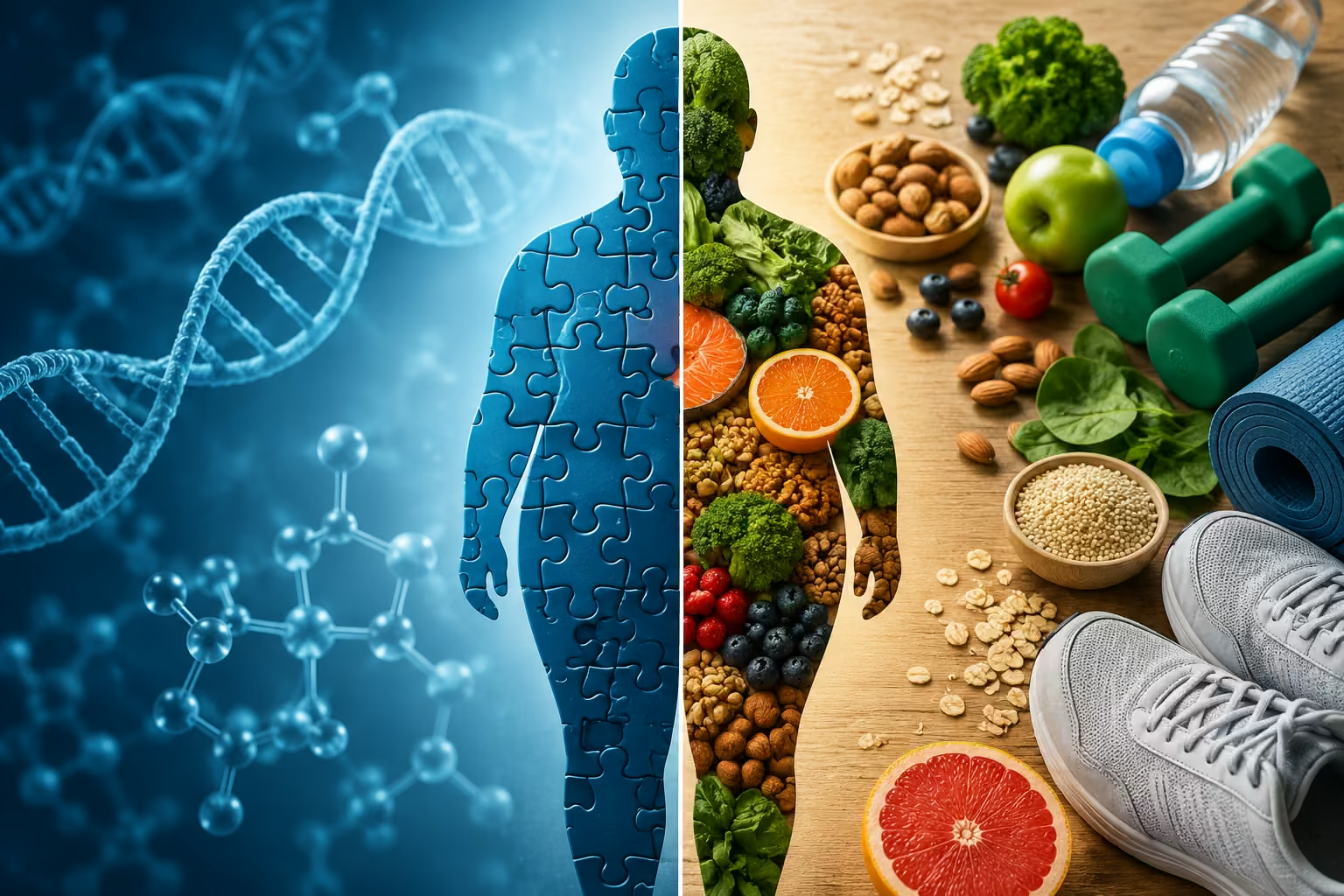
Understanding obesity requires recognising that both genetics and environment matter.
Genetic factors may influence appetite, metabolism, body fat storage, and obesity risk. However, environmental factors such as food intake, sedentary lifestyle habits, stress, sleep quality, and access to healthy food options also play a significant role.
Current evidence suggests that obesity develops through the interaction of:
Rather than asking whether obesity is genetic or environmental, researchers increasingly focus on how these factors interact together.
Living with obesity can affect many aspects of health and daily life. However, supportive approaches focused on balanced nutrition, regular physical activity, sleep quality, emotional wellbeing, and sustainable lifestyle changes may help individuals work toward healthier routines.
Understanding obesity with compassion and evidence-informed awareness may encourage more constructive conversations and supportive public health strategies.
Obesity is a complex and multifactorial condition influenced by genetics, environment, lifestyle habits, emotional wellbeing, and social circumstances. Current research suggests that no single factor fully explains why overweight and obesity develop.
Genetic predisposition may influence appetite, metabolism, and body fat storage, while environmental conditions such as sedentary lifestyle patterns, ultra-processed diets, stress, and limited physical activity opportunities may also increase obesity risk.
Understanding obesity requires moving beyond blame and recognising the wide range of contributing factors involved. Sustainable weight management generally focuses on long-term healthy eating habits, regular physical activity, quality sleep, stress management, and supportive environments rather than short-term solutions.
As obesity prevalence continues to rise globally, supportive public health strategies and balanced lifestyle habits may play an important role in promoting overall health, wellbeing, and quality of life.
This article is intended for general educational and informational purposes only. It does not provide medical, nutritional, or professional advice and should not replace guidance from a qualified healthcare professional. Individual health needs and circumstances vary, and readers should seek personalised support where appropriate.

Join The Hub community. Subscribe today and receive a monthly email with our newest blogs and articles on health, wellness, and nutrition to keep you informed and inspired.
By signing up you agree to our User Agreement and Privacy Policy & Cookie Statement


Newsletter
By signing up you agree to our User Agreement and Privacy Policy & Cookie Statement
By accessing, browsing, or using this website (the “www.newimage.world/thehub”), you acknowledge and agree to the terms of this Disclaimer. The Website, including its blogs, podcasts, videos, and any other content (collectively, the “Content”), is operated by New Image™ International (“the Company,” “we,” “our,” or “us”).
All Content made available on this Website is provided strictly for general informational and educational purposes only. The Content does not constitute, and should not be relied upon as, medical advice, diagnosis, treatment, prescription, or professional health consultation of any kind.
The Company makes no representations or warranties regarding the accuracy, completeness, reliability, or timeliness of the Content. The Content may include information collected from external or third-party sources, and we do not independently verify such information. Accordingly, no nutritional, health, or wellness claims are endorsed, warranted, or guaranteed by the Company.
To the fullest extent permitted by applicable law:
Your use of the Website does not establish any doctor–patient, nutritionist–client, or other professional relationship between you and the Company or any of its representatives.
The Website may include references, links, or access to third-party websites, podcasts, or resources. The Company does not control, endorse, or assume any responsibility for such third-party content and shall not be held liable for any damages arising from your use of or reliance on it.
By clicking “Accept” on the Website’s pop-up disclaimer, you expressly acknowledge that you have read, understood, and agreed to be bound by this Disclaimer. Your continued use of the Website constitutes ongoing acceptance of these terms. If you no longer agree with this Disclaimer, you must immediately discontinue use of the Website.
Join The Hub community. Subscribe today and receive a monthly email with our newest blogs and articles on health, wellness, and nutrition to keep you informed and inspired.
By signing up you agree to our User Agreement and Privacy Policy & Cookie Statement















.webp)
.webp)