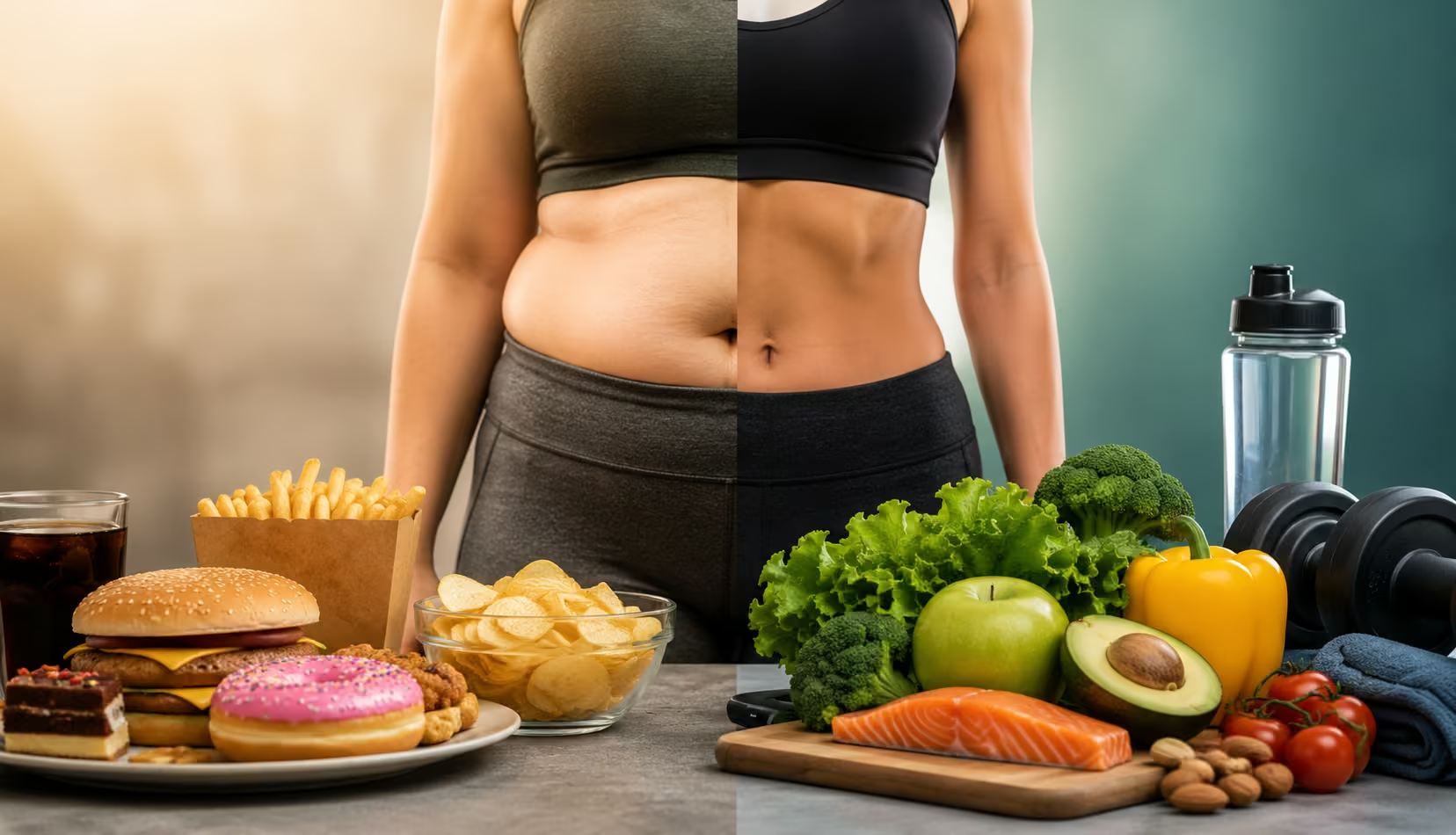
Many people begin a weight loss and fat loss journey with one simple goal: to lose weight. However, the number on the scale does not always tell the full story. While weight loss may seem like the ultimate measure of progress, it often includes changes in water, muscle, and body fat rather than fat alone.
Understanding the difference between weight loss and fat loss helps create realistic expectations and supports a healthier approach to improving overall health. Rather than focusing solely on reducing body weight, many people benefit from paying attention to body composition, which reflects the balance between muscle, fat, bone, and water.
Current research suggests that focusing on fat loss while maintaining muscle mass may support a stronger, more sustainable approach to achieving a healthy weight and long-term wellbeing.
Weight loss refers to a reduction in total body weight. This decrease may come from several components within the human body, including:
When people first lose weight, a considerable portion of the change may be water rather than fat. This explains why rapid changes often occur during the first few weeks of a new diet or exercise routine.
The scale simply measures total weight, not where the reduction comes from.
Fat loss specifically refers to reducing stored body fat (adipose tissue). During weight loss, fat cells typically become smaller as stored fat is used for energy, while preserving lean tissue and muscle mass is an important goal.
Since muscle is metabolically active, maintaining it helps support normal metabolic rate, physical function, and long-term overall health.
Many health professionals generally view fat loss as a more meaningful goal than simply trying to lose weight, because body composition often provides a clearer picture of progress.
Although these terms are often used interchangeably, they describe different outcomes.
Someone may experience little movement on the scale while successfully lose body fat because increased muscle mass offsets reductions in fat.
Instead of relying solely on the scale, tracking body composition provides a more complete understanding of progress.
Body composition measures the proportion of:
Reducing body fat while maintaining muscle generally reflects positive changes in physical fitness and overall health.
This is why photographs, measurements, strength improvements, and how clothes fit can sometimes provide better indicators than scale weight alone.
One of the most important principles behind fat loss is calorie balance.
To lose fat, calorie consumption must be lower than calorie expenditure.
This is known as a calorie deficit.
Many nutrition professionals suggest aiming for approximately 300 to 500 calories below maintenance needs each day. This moderate deficit is generally considered more sustainable than severe restriction.
Cutting too many calories may increase the likelihood of muscle loss, reduce energy levels, and make long-term adherence more difficult.
People often ask how many calories they should consume. The answer varies depending on:
Rather than choosing extremely low calorie diets, many individuals benefit from gradual adjustments that support sustainable weight loss.
One of the biggest differences between successful fat loss and simple weight loss is preserving muscle mass.
When calorie intake becomes extremely low, the body responds by breaking down muscle for energy alongside fat.
Maintaining muscle helps:
Higher protein intake, combined with resistance training, plays an important role in reducing muscle loss during a calorie deficit.
Current evidence suggests protein intake may range between 1.2 and 2.2 grams per kilogram of body weight during periods focused on fat reduction. General daily requirements are often around 0.8 grams per kilogram of body weight for adults without specific fat-loss goals.
Protein may also increase feelings of fullness, helping people naturally eat fewer calories throughout the day.
Many people believe endless cardio is the only way to lose fat.
In reality, weight training and resistance training are essential components of a balanced fat-loss strategy.
Strength training helps:
Current evidence suggests combining resistance training with aerobic exercise offers benefits for improving body composition.
Some research has also observed that regular exercise may help retain substantially more muscle during weight loss compared with calorie restriction alone.
Although strength training is valuable, aerobic exercise also contributes to fat loss.
Walking, cycling, jogging and swimming help:
Current understanding suggests that after approximately 30 to 60 minutes of continuous moderate activity, the body begins relying more heavily on fat as a fuel source.
Adults are commonly encouraged to complete around 150 minutes of moderate exercise weekly alongside muscle-strengthening activities.
Regular exercise also supports long-term maintenance following successful weight loss.
Many people hope that performing exercises for one body area will reduce fat in that location.
Current research does not support this idea.
For example:
Instead, fat reduction occurs across the body according to individual genetics and overall energy balance.
A calorie deficit combined with regular physical activity remains the most effective overall approach.
Good eating habits contribute significantly to long-term success.
A balanced healthy eating plan usually includes:
Choosing more healthy foods and reducing heavily processed foods may naturally lower calorie intake without extreme restriction.
Examples of nutritious snacks include:
Many people also benefit from replacing foods such as white bread, white rice, sugary snack foods, and meals high in added sugar with more nutrient-dense options.
Healthy fat sources such as olive oil, nuts and seeds can be included in moderate amounts within a balanced eating pattern.
Many fad diets promise rapid results.
However, extremely restrictive plans often become difficult to maintain and may increase the chance of weight gain after returning to previous eating patterns.
A more practical eating plan focuses on:
Many balanced dietary patterns naturally include vegetables, fruit, legumes, whole grains, healthy fats and minimally processed foods.
These approaches may support sustainable weight loss while providing adequate nutrition.
Nutrition and exercise are only part of the picture.
Several daily habits also affect progress.
Current evidence suggests 7 to 9 hours of sleep each night supports healthy energy regulation and normal fat metabolism.
Poor sleep may influence appetite, recovery and exercise performance.
Adequate fluid intake supports many normal body processes involved in metabolism.
Regular consumption of alcoholic drinks may increase intake of extra calories, making it more challenging to maintain a calorie deficit.
Increasing everyday movement through walking, climbing stairs and standing more often contributes to additional calorie expenditure alongside structured exercise.
Many people wonder where fat actually goes.
Stored fat consists mainly of carbon, hydrogen and oxygen.
As fat is metabolised, these components are converted into:
The carbon dioxide is released through breathing, while water leaves the body through normal bodily processes.
Regular exercise increases oxygen intake, supporting these natural metabolic processes.
The scale is only one measurement.
Other useful indicators include:
These measures often reflect improvements even when body weight changes slowly.
For those aiming to lose weight and keep it off while improving body composition, consider these practical habits:
Small improvements maintained consistently often contribute more to long-term success than rapid changes.
Many people unintentionally slow progress by:
A balanced approach generally supports better long-term outcomes.
Understanding the difference between weight loss and fat loss helps create realistic expectations and healthier long-term habits.
While weight loss simply reflects a reduction in total body weight, fat loss focuses specifically on reducing stored body fat while preserving valuable muscle tissue.
A moderate calorie deficit, balanced nutrition, regular exercise, adequate protein, sufficient sleep, and consistent lifestyle habits all contribute to gradual improvements in body composition. Rather than chasing rapid changes on the scale, focusing on sustainable routines may help support energy, physical function, and overall wellbeing over time.
This article is provided for general educational and informational purposes only. It is not intended to replace personalised advice from a qualified healthcare professional. Individual nutritional needs, physical activity levels, and health goals vary, so seek appropriate professional guidance before making significant changes to your eating plan, exercise habits, or lifestyle.

Join The Hub community. Subscribe today and receive a monthly email with our newest blogs and articles on health, wellness, and nutrition to keep you informed and inspired.
By signing up you agree to our User Agreement and Privacy Policy & Cookie Statement


Newsletter
By signing up you agree to our User Agreement and Privacy Policy & Cookie Statement
By accessing, browsing, or using this website (the “www.newimage.world/thehub”), you acknowledge and agree to the terms of this Disclaimer. The Website, including its blogs, podcasts, videos, and any other content (collectively, the “Content”), is operated by New Image™ International (“the Company,” “we,” “our,” or “us”).
All Content made available on this Website is provided strictly for general informational and educational purposes only. The Content does not constitute, and should not be relied upon as, medical advice, diagnosis, treatment, prescription, or professional health consultation of any kind.
The Company makes no representations or warranties regarding the accuracy, completeness, reliability, or timeliness of the Content. The Content may include information collected from external or third-party sources, and we do not independently verify such information. Accordingly, no nutritional, health, or wellness claims are endorsed, warranted, or guaranteed by the Company.
To the fullest extent permitted by applicable law:
Your use of the Website does not establish any doctor–patient, nutritionist–client, or other professional relationship between you and the Company or any of its representatives.
The Website may include references, links, or access to third-party websites, podcasts, or resources. The Company does not control, endorse, or assume any responsibility for such third-party content and shall not be held liable for any damages arising from your use of or reliance on it.
By clicking “Accept” on the Website’s pop-up disclaimer, you expressly acknowledge that you have read, understood, and agreed to be bound by this Disclaimer. Your continued use of the Website constitutes ongoing acceptance of these terms. If you no longer agree with this Disclaimer, you must immediately discontinue use of the Website.
Join The Hub community. Subscribe today and receive a monthly email with our newest blogs and articles on health, wellness, and nutrition to keep you informed and inspired.
By signing up you agree to our User Agreement and Privacy Policy & Cookie Statement















.webp)
.webp)