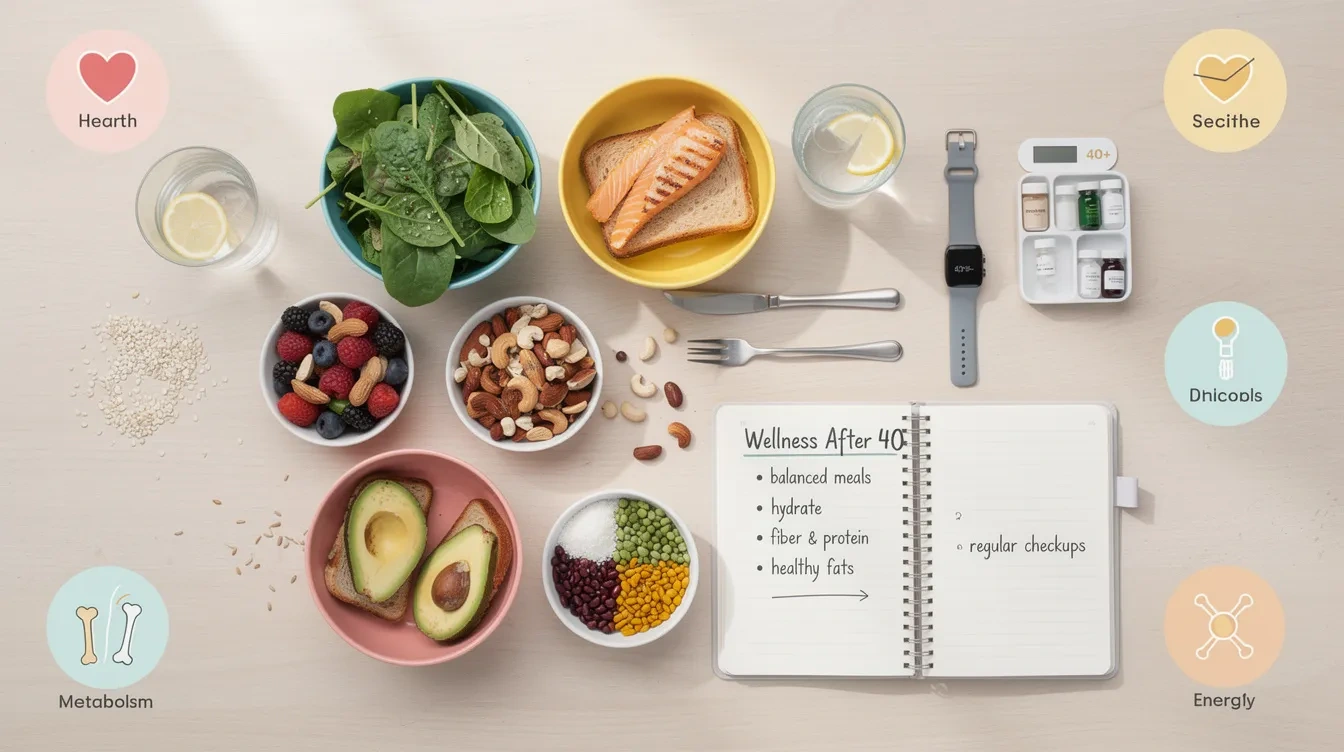
Maintaining good health after the age of 40 often involves paying closer attention to everyday nutritional habits after 40. As people move through different stages of life, natural changes in the body, including shifts in metabolism, muscle mass, and hormonal patterns, can influence energy needs and overall wellbeing. While these changes are a normal part of ageing, adopting positive eating habits and consistent healthy habits may help support daily energy, mood, and long-term wellness.
Current research suggests that nutritional habits after 40 should focus on a balanced diet that provides a wide range of nutrients, including protein, fibre, healthy fats, vitamins, and minerals. Rather than following restrictive eating plans, many nutrition professionals encourage a varied diet built around whole foods, regular meals, and appropriate hydration.
As metabolism slows, some people notice gradual weight gain, changes in body composition, or reduced muscle mass. Hormonal changes may also influence appetite, energy levels, and the way the body uses nutrients. These natural changes highlight the importance of consistent healthy eating, regular physical activity, and quality sleep as part of an overall healthy lifestyle.
This guide explores practical nutritional habits after 40, including meal planning, hydration, healthy nutrition, movement, and lifestyle practices that may help you stay healthy while supporting overall health and wellbeing.
Many adults notice that maintaining a healthy weight becomes more challenging during midlife. One contributing factor is that metabolism slows naturally with age, meaning the body may require fewer calories than before while still needing the same—or sometimes greater—amount of essential nutrients.
Current research suggests that hormonal changes, gradual reductions in muscle mass, and changes in daily activity levels all contribute to this shift. A slower metabolism may also increase the likelihood of gaining excess weight, particularly around the abdominal area.
Although these changes are common, they do not mean that maintaining good health becomes impossible. Instead, they highlight the value of adopting sustainable lifestyle habits, including:
Following a balanced diet
Practising regular healthy eating
Including moderate physical activity
Prioritising quality sleep
Managing daily stress
Remaining consistent with healthy routines
Small, long-term improvements in eating habits often provide greater benefits than short-term restrictive diets.
One of the most valuable nutritional habits after 40 is maintaining a balanced diet.
A balanced eating pattern provides the body with carbohydrates, protein, healthy fats, vitamins, minerals and fibre needed to support normal daily functions. Rather than eliminating entire food groups, aim to include a variety of nutrient-dense foods throughout the day.
Current guidance commonly recommends:
At least five servings of fruits and vegetables each day
Regular servings of whole grains
Lean protein
Healthy fats
Calcium-rich foods
Plenty of water
Brightly coloured fruits and vegetables naturally contain a range of vitamins, minerals and plant compounds. Current research suggests these foods contribute to overall healthy nutrition as part of a varied diet.
Examples include:
Berries
Carrots
Peppers
Tomatoes
Spinach
Leafy greens
Citrus fruits
Certain vegetables, including Brassica varieties such as broccoli, cauliflower and cabbage, have attracted research interest regarding normal hormonal processes. Current evidence suggests they may form a useful part of a varied eating pattern for women, although further research continues.
Maintaining muscle mass becomes increasingly important after 40.
Current research suggests that age-related loss of muscle tissue, commonly known as sarcopenia, occurs gradually as people grow older. Including protein regularly throughout the day may help support normal tissue building and repair while contributing to muscle maintenance.
A practical goal is adding protein to every meal.
Examples of high-quality protein sources include:
Eggs
Greek yoghurt
Cottage cheese
Lean poultry
Fish
Beans
Lentils
Tofu
Low-fat dairy products
Protein contributes to the maintenance of muscle tissue, while adequate daily intake may also support a healthy metabolism.
Rather than consuming most daily protein in one meal, many nutrition professionals encourage spreading protein intake evenly across breakfast, lunch and dinner.
Maintaining bone health becomes increasingly important after the age of 40.
Current research suggests that bone density gradually decreases with age, making healthy lifestyle choices increasingly valuable. Supporting healthy bones involves combining good nutrition with regular movement.
Important nutrients include:
Aim for approximately three servings of dairy or calcium-rich alternatives daily where appropriate.
Examples of calcium rich foods include:
Milk
Natural yoghurt
Cheese
Leafy green vegetables
Canned fish with edible bones
Fortified plant-based alternatives
Vitamin D contributes to the maintenance of healthy bones and is naturally present in foods such as eggs and oily fish.
Some people may also use vitamin D supplements during winter months where appropriate, depending on individual advice.
Current guidance commonly highlights both calcium and vitamin D as important nutrients for supporting skeletal integrity throughout later adulthood.
Not all fats are the same.
A balanced eating pattern includes moderate amounts of healthy fats, which contribute to overall nutrition while supporting normal body functions.
Good sources include:
Olive oil
Nuts
Seeds
Avocados
Oily fish
Current research suggests that including foods naturally containing omega-3 fatty acids as part of a balanced diet may support overall heart health and general wellbeing.
Guidance commonly recommends eating two portions of fish each week, with one serving being oily fish where suitable.
At the same time, it is sensible to limit foods high in saturated fat, salt and added sugars, particularly heavily processed foods.
Fibre becomes increasingly important as people age.
Current research suggests that fibre rich foods support digestive health while contributing to normal cholesterol metabolism and helping maintain stable blood sugar levels as part of a balanced diet.
Examples include:
Whole grains
Oats
Beans
Lentils
Apples
Pears
Berries
Vegetables
Seeds
Digestive health also benefits from adequate hydration, making water intake another important part of healthy nutrition.
Eating plenty of plant foods alongside fibre-rich carbohydrates supports a varied diet while providing additional vitamins and minerals.
Consistency often matters more than perfection.
One of the most effective healthy habits involves maintaining regular eating patterns throughout the day rather than frequently skipping meals.
Current research suggests that eating regular meals may help support a healthy metabolism, while skipping meals may make it more difficult for some people to manage appetite and weight loss goals.
Eating whole foods instead of highly processed foods may also help maintain a healthy weight.
Simple strategies include:
Planning meals ahead
Eating breakfast where appropriate
Limiting foods high in added sugars
Choosing fresh ingredients more often
Including protein with meals
Eating plenty of fruits and vegetables
Drinking water regularly
Building these sustainable eating habits can contribute to better daily energy levels, support healthy body composition, and encourage long-term wellness.
Good nutritional habits after 40 work best alongside regular movement. While healthy eating provides the nutrients the body needs, physical activity helps maintain strength, mobility and overall wellbeing throughout life.
Current research suggests that adults should aim for at least 150 minutes of moderate exercise weekly. Activities do not have to be complicated. Consistency is often more important than intensity.
Examples of moderate physical activity include:
Brisk walking
Cycling
Swimming
Dancing
Gardening
Recreational sports
Regular physical activity may help support healthy weight management, contribute to positive energy levels, and complement a balanced diet. It also plays an important role in maintaining body composition as metabolism slows with age.
One of the most valuable healthy habits after 40 is incorporating strength training into your weekly routine.
Current research suggests that gradual reductions in muscle mass, often referred to as sarcopenia, become more noticeable with increasing age. Maintaining muscle tissue supports everyday movement and contributes to overall physical function.
Strength-based activities may include:
Bodyweight exercises
Resistance bands
Free weights
Weight machines
Functional movement exercises
When combined with adding protein across meals and a balanced diet, strength training supports normal tissue building and maintenance.
Regular exercise may also help maintain a healthy metabolism, supporting the body's natural ability to use energy efficiently throughout the day.
Making thoughtful food choices each day is another important aspect of nutritional habits after 40.
Current research suggests that a dietary pattern rich in healthy fats, whole grains, fruits and vegetables forms part of a balanced lifestyle that supports overall cardiovascular wellbeing.
Practical choices include:
Cooking with olive oil
Eating two portions of fish each week, including one serving of oily fish
Choosing whole grains
Including plenty of fibre rich foods
Limiting foods high in saturated fat, salt and added sugars
Dietary fibre has been associated with supporting normal cholesterol metabolism while helping maintain stable blood sugar levels.
Bananas naturally provide potassium, while leafy green vegetables such as kale contain nutrients including lutein and zeaxanthin that contribute to overall eye health as part of a varied diet.
Maintaining a balanced eating pattern alongside regular movement may also support healthy weight management, which is an important consideration because excess weight around the abdomen has been associated with an increased risk of heart disease and cardiovascular disease.
Current evidence suggests that these daily lifestyle habits work together to support overall health rather than relying on any single food.
Hydration becomes increasingly important as we age.
Current research suggests that adults over 40 may become less aware of thirst, making it useful to drink fluids consistently throughout the day rather than waiting until feeling thirsty.
Water supports many normal body functions, including:
Cellular function
Nutrient transport
Temperature regulation
Digestive processes
Skin hydration
Digestive health also benefits from combining adequate fluid intake with fibre rich foods.
Simple hydration habits include:
Carrying a reusable water bottle
Drinking water with meals
Including fluids during physical activity
Choosing water more often than sugary drinks
Maintaining hydration supports overall healthy nutrition while complementing other positive eating habits.
A balanced diet does not require completely avoiding favourite foods, but moderation remains important.
Current research suggests that limiting foods high in added sugars, salt and saturated fat supports overall wellbeing as part of a varied eating pattern.
Highly processed foods often provide large amounts of calories while contributing relatively few essential nutrients.
Replacing these foods more frequently with whole foods may help support a healthy weight while encouraging improved overall dietary quality.
Examples of nutrient-dense choices include:
Fresh fruit
Vegetables
Beans
Whole grains
Lean protein
Nuts
Seeds
Natural yoghurt
Current evidence also suggests that reducing reliance on heavily processed foods may contribute to maintaining healthy blood sugar levels as part of an overall balanced lifestyle.
Hormonal changes are a natural part of ageing and may influence appetite, metabolism, body fat distribution and energy levels.
Current research suggests that these changes contribute to why metabolism slows after 40.
Rather than following restrictive diets, many nutrition professionals recommend focusing on:
A balanced diet
Consistent meal timing
Adequate protein
Plenty of fruits and vegetables
Regular hydration
Healthy sleep habits
A plant based diet rich in legumes, vegetables, fruits, nuts and whole grains may also contribute valuable vitamins, minerals and fibre while supporting overall healthy nutrition.
Certain foods naturally provide B vitamins, which play important roles in normal energy-yielding metabolism.
These include:
Whole grains
Eggs
Dairy products
Leafy greens
Legumes
Current research suggests that a nutrient-rich dietary pattern supports normal hormonal balance as part of a healthy lifestyle.
Nutrition is only one part of wellbeing after 40.
Quality sleep plays an equally important role in supporting daily energy levels, mood and recovery.
Many adults benefit from aiming for seven to nine hours of sleep each night, although individual needs may vary.
Helpful sleep habits include:
Maintaining consistent bedtimes
Limiting screen use before bed
Creating a comfortable sleeping environment
Managing caffeine intake later in the day
Following regular evening routines
Both sleep duration and good sleep contribute to feeling refreshed and prepared for daily activities.
Getting enough sleep also complements healthy eating habits and regular physical activity, forming part of a balanced lifestyle.
Long-term wellbeing is influenced by more than food alone.
Persistent or chronic stress may affect daily routines, appetite, sleep patterns and overall quality of life.
Practical ways to manage stress include:
Walking outdoors
Relaxation exercises
Spending time with family and friends
Mindfulness practices
Enjoyable hobbies
Regular physical activity
Building positive routines around nutrition, movement and rest helps create sustainable healthy habits that support overall wellbeing.
Current research suggests that combining healthy lifestyle habits may help people maintain consistent routines throughout midlife and beyond.
Healthy living after 40 also includes paying attention to regular wellbeing assessments.
Routine health checks may include monitoring:
Blood pressure
High blood pressure where appropriate
Cholesterol levels
Body weight
General health discussions with a healthcare professional
Current research suggests that regular monitoring supports awareness of personal health and allows individuals to make informed lifestyle choices.
Preventive wellbeing approaches often combine:
Healthy nutrition
Regular physical activity
Good sleep
Balanced eating habits
Routine preventive care
Together, these practices contribute to supporting long-term health and wellbeing.
Even with the best intentions, some everyday habits may make it more difficult to maintain a healthy weight, support muscle mass, or sustain good energy levels. Small adjustments to daily routines can make a meaningful difference over time.
Some common habits include:
Regular eating supports a healthy metabolism. Current research suggests that skipping meals may make it more challenging for some people to manage appetite and weight loss goals while also affecting daily energy.
Focusing mainly on convenience foods may reduce the variety of nutrients consumed. A varied diet that includes fruits, vegetables, whole grains, lean protein, and healthy fats helps provide essential vitamins and minerals.
Protein intake becomes increasingly important after 40. Including adding protein to each meal supports the maintenance of muscle tissue and contributes to normal tissue building and repair.
Hydration supports digestion, nutrient transport and everyday body functions. Adults over 40 may notice that thirst signals become less obvious, making regular fluid intake an important part of healthy nutrition.
Rather than restrictive eating plans, current research suggests focusing on nutritional habits after 40 that are practical, enjoyable and sustainable over the long term.
Healthy eating after 40 does not need to be complicated. Building meals around nutrient-dense foods can help create consistent healthy habits.
Eggs on whole grains toast
Greek yoghurt with berries and seeds
Porridge topped with fruit and nuts
Including protein at breakfast helps spread intake across the day.
Mixed salad with lean chicken or beans
Wholegrain sandwich with tuna
Vegetable soup with wholegrain bread
Aim to include plenty of colourful vegetables and healthy fats, such as olive oil in dressings.
Grilled oily fish with roasted vegetables
Lean poultry with brown rice
Lentil curry with mixed vegetables
These meals provide protein, fibre and a variety of important nutrients.
Fruit
Unsalted nuts
Natural yoghurt
Vegetable sticks with hummus
Choosing whole foods more often than highly processed snacks supports a balanced diet and helps maintain a healthy weight.
Developing positive nutritional habits after 40 is about consistency rather than perfection.
Simple actions include:
Eat at least five servings of fruits and vegetables daily.
Include protein in every meal.
Choose whole grains more often.
Aim for three servings of dairy or calcium-rich alternatives each day.
Eat two portions of fish weekly, including one serving of oily fish.
Limit foods high in fat, salt and added sugars.
Drink water regularly to stay hydrated.
Stay active with at least 150 minutes of moderate physical activity each week.
Include strength training exercises regularly.
Prioritise quality sleep, aiming for seven to nine hours where possible.
Practise manage stress techniques as part of daily life.
Arrange routine wellbeing checks with a healthcare professional when appropriate.
These sustainable routines support overall healthy nutrition while fitting into everyday life.
Nutritional science continues to evolve, and recommendations are regularly refined as new evidence becomes available.
Current research suggests that:
Metabolism slows naturally after 40 due to age-related and hormonal changes.
Consistent protein intake supports the maintenance of muscle mass.
Age-related muscle loss is commonly known as sarcopenia.
A slower metabolism may increase the likelihood of weight gain, particularly around the abdomen.
Eating regular meals supports a healthy metabolism.
Whole foods may help maintain a healthy weight.
Calcium rich foods and vitamin D contribute to maintaining healthy bones.
Bone density gradually declines with age, making bone-supporting nutrition increasingly important.
Weight-bearing activities and strength training complement good nutrition for bone health.
Dietary fibre supports digestive health while helping maintain healthy cholesterol metabolism and stable blood sugar levels.
Omega-3-rich foods, including oily fish, form part of a balanced eating pattern that supports overall heart wellbeing.
Routine checks for blood pressure and cholesterol become increasingly valuable after 40.
Positive lifestyle habits, including regular physical activity, quality sleep, balanced nutrition, and hydration, work together to support overall health.
Although no single food determines long-term wellbeing, consistent daily choices may contribute to maintaining energy, mobility and general wellness throughout later adulthood.
As metabolism slows and muscle mass gradually changes with age, consistent nutritional habits after 40 help ensure the body continues receiving essential nutrients needed for everyday wellbeing and maintaining a healthy weight.
Individual requirements vary depending on activity level, body composition, and overall diet. Current guidance generally encourages including protein with every meal using foods such as eggs, yoghurt, lean meats, beans, lentils and fish.
A balanced diet containing calcium rich foods, vitamin D, dairy or suitable alternatives, leafy green vegetables and oily fish contributes to maintaining healthy bones as part of an overall healthy lifestyle.
Current research suggests that regular meals, adequate hydration, balanced nutrition, and sufficient sleep may help support consistent energy levels throughout the day.
Yes. Regular physical activity, including brisk walking, moderate physical activity, and strength training, complements healthy eating by supporting muscle mass, mobility and overall wellbeing.
Developing positive nutritional habits after 40 does not require drastic changes. Small, consistent improvements in eating habits, healthy nutrition, hydration and daily routines can support overall health and wellbeing as the body naturally changes with age.
Choosing a balanced diet rich in fruits, vegetables, whole grains, lean protein, healthy fats, and calcium rich foods provides essential nutrients that contribute to maintaining muscle mass, bone health, and steady energy levels. Combining these food choices with regular physical activity, strength training, effective ways to manage stress, and quality sleep creates a practical foundation for lifelong wellness.
Current research suggests that focusing on sustainable healthy habits, rather than short-term diets, supports maintaining a healthy weight, adapting to changes as metabolism slows, and encouraging overall wellbeing. By making thoughtful choices each day, adults can build routines that fit naturally into everyday life and continue supporting their health in the years ahead.
This article is provided for general educational and informational purposes only. It is not intended to replace personalised advice from a qualified healthcare professional or nutrition expert. Individual nutritional needs vary according to age, lifestyle, activity level and personal circumstances. If you have questions about your diet, health or nutritional requirements, seek guidance from an appropriately qualified professional.

Join The Hub community. Subscribe today and receive a monthly email with our newest blogs and articles on health, wellness, and nutrition to keep you informed and inspired.
By signing up you agree to our User Agreement and Privacy Policy & Cookie Statement


Newsletter
By signing up you agree to our User Agreement and Privacy Policy & Cookie Statement
By accessing, browsing, or using this website (the “www.newimage.world/thehub”), you acknowledge and agree to the terms of this Disclaimer. The Website, including its blogs, podcasts, videos, and any other content (collectively, the “Content”), is operated by New Image™ International (“the Company,” “we,” “our,” or “us”).
All Content made available on this Website is provided strictly for general informational and educational purposes only. The Content does not constitute, and should not be relied upon as, medical advice, diagnosis, treatment, prescription, or professional health consultation of any kind.
The Company makes no representations or warranties regarding the accuracy, completeness, reliability, or timeliness of the Content. The Content may include information collected from external or third-party sources, and we do not independently verify such information. Accordingly, no nutritional, health, or wellness claims are endorsed, warranted, or guaranteed by the Company.
To the fullest extent permitted by applicable law:
Your use of the Website does not establish any doctor–patient, nutritionist–client, or other professional relationship between you and the Company or any of its representatives.
The Website may include references, links, or access to third-party websites, podcasts, or resources. The Company does not control, endorse, or assume any responsibility for such third-party content and shall not be held liable for any damages arising from your use of or reliance on it.
By clicking “Accept” on the Website’s pop-up disclaimer, you expressly acknowledge that you have read, understood, and agreed to be bound by this Disclaimer. Your continued use of the Website constitutes ongoing acceptance of these terms. If you no longer agree with this Disclaimer, you must immediately discontinue use of the Website.
Join The Hub community. Subscribe today and receive a monthly email with our newest blogs and articles on health, wellness, and nutrition to keep you informed and inspired.
By signing up you agree to our User Agreement and Privacy Policy & Cookie Statement














.webp)
.webp)