
Working towards realistic weight loss goals is often less about following restrictive diets and more about developing sustainable eating habits that can fit comfortably into everyday life. One nutritional change that may be worth considering is increasing your intake of fibre-rich foods.
Fibre is naturally found in vegetables, fruits, whole grains, beans, lentils, nuts and seeds. Including these foods within a balanced diet can make meals more satisfying while providing a range of nutrients that contribute to general health and wellbeing.
Current research suggests that dietary fibre may support weight loss efforts in several ways, particularly when it replaces highly processed foods and forms part of an overall healthy lifestyle. Rather than focusing only on calorie intake, adding more fibre can encourage healthier food choices and more balanced eating patterns.
This guide explains how fibre fits into weight loss goals, practical ways to increase intake, and how to create realistic habits that can support a sustainable weight loss journey.
Fibre is a type of carbohydrate found primarily in plant foods. Unlike many other carbohydrates, much of it passes through the digestive system without being fully broken down.
Fibre-rich foods include:
Vegetables
Fruits
Whole grains
Beans
Lentils
Peas
Nuts
Seeds
There are different types of fibre, and different foods contain different combinations. Including a varied diet is therefore a practical way to obtain a broad range of fibre and other nutrients.
When people want to lose weight, they often focus on reducing calories. While overall calorie intake matters, the quality and composition of meals can also influence how satisfying they feel.
Fibre-rich foods can add volume and texture to meals while contributing relatively few calories compared with many energy-dense processed foods.
For example, replacing a highly processed snack with fruit, vegetables or a small portion of nuts may help create a more nutrient-dense eating pattern.
Current research suggests that fibre can be a useful part of a weight loss plan, particularly when combined with balanced meals and regular physical activity.
One reason fibre is often associated with weight loss is its relationship with meal satisfaction.
Fibre-rich foods can take longer to chew and may contribute to feelings of fullness. This can make it easier for some people to maintain appropriate portion sizes and avoid unnecessary snacking.
A meal containing vegetables, whole grains and a source of protein can provide a combination of nutrients that supports a satisfying eating pattern.
This does not mean fibre automatically makes someone lose body fat. Instead, it can be one practical component of an overall approach that supports appropriate food intake.
A sustainable weight loss journey does not have to involve eliminating entire food groups.
Instead, consider choosing more whole or minimally processed foods.
Useful options include:
Oats
Brown rice
Wholegrain bread
Beans
Lentils
Apples
Pears
Berries
Broccoli
Carrots
Peas
Leafy vegetables
These foods provide fibre alongside vitamins, minerals and other nutrients.
Making these foods regular parts of meals can support healthier eating patterns without requiring complicated dietary rules.
Vegetables are among the easiest ways to increase fibre intake while adding variety to meals.
A practical goal mentioned in dietary guidance is around five servings of vegetables and two servings of fruit daily, although individual nutritional requirements vary.
Try adding vegetables to:
Breakfast omelettes
Lunch salads
Sandwiches
Soups
Stir-fries
Pasta dishes
Evening meals
Adding an extra serving to a familiar meal can be a simple healthy habit that requires little disruption to your usual routine.
Whole grains contain the bran, germ and other components of the original grain.
Examples include:
Oats
Brown rice
Wholegrain bread
Barley
Wholegrain pasta
Quinoa
Choosing whole grains more often can increase fibre intake while providing complex carbohydrates and other nutrients.
Rather than completely changing your diet, you could start by replacing one refined grain food with a wholegrain alternative each day.
Small lifestyle changes can eventually make a big difference when they become consistent habits.
Beans and lentils are particularly versatile foods because they contain fibre and plant-based protein.
They can be added to:
Soups
Curries
Salads
Stews
Wraps
Grain bowls
Including beans or lentils in balanced meals can make it easier to create filling dishes without relying heavily on highly processed ingredients.
Snacking habits can influence overall calorie intake.
Instead of automatically reaching for processed foods, consider healthier snacks such as:
Fresh fruit
A small handful of nuts
Vegetable sticks with hummus
Natural yoghurt with berries
Oat-based snacks
The aim is not to stop eating between meals if you are genuinely hungry. Instead, choosing more nutrient-dense options can help create a more balanced eating pattern.
A calorie deficit occurs when energy intake is lower than energy expenditure over time. This concept is often discussed in relation to weight loss.
However, reducing calories does not necessarily mean eating as little as possible.
Fibre-rich foods can help create meals that contain fewer calories while still providing volume and nutrients.
For example, adding vegetables to a meal may increase its volume without adding as many calories as an equivalent amount of highly energy-dense processed food.
Current research suggests that sustainable weight management is better approached through realistic dietary patterns rather than aggressive restriction.
Fad diets may promise rapid changes, but highly restrictive approaches can be difficult to maintain.
Aggressive goals may also contribute to burnout and repeated cycles of restrictive eating and weight gain.
A sustainable approach focuses on:
Realistic goals
Balanced meals
Regular physical activity
Fibre-rich foods
Appropriate portions
Enough sleep
Stress management
The objective is to develop eating habits that can continue beyond the first few weeks of a weight loss programme.
Setting concrete, achievable short-term goals can make weight loss efforts easier to manage.
A useful approach is to focus on actions you can control.
For example:
Eat vegetables with lunch and dinner.
Include whole grains regularly.
Walk for 30 minutes.
Prepare healthier snacks.
Drink water instead of sugary drinks.
Reduce alcoholic drinks.
Include strength training twice weekly.
These behavioural goals are often more practical than focusing exclusively on a number on the scales.
The SMART framework provides a structured way to create realistic goals.
SMART goals are:
Specific
Measurable
Attainable
Realistic
Timely
For example, rather than saying "I want to lose weight", a more specific goal might be to gradually lose around one stone over 12 months while improving eating and exercise habits.
Another example is aiming to lose approximately 1–2 pounds per week, where appropriate. A commonly discussed gradual rate is around 0.5–2 pounds per week, although suitable targets vary between individuals.
A healthcare professional can help determine appropriate goals based on personal circumstances.
Small goals can help you stay focused without creating unnecessary pressure.
Examples include:
Add one serving of vegetables daily.
Replace one refined grain with a wholegrain option.
Choose water instead of a sugary drink.
Take a brisk walk after work.
Prepare healthier snacks in advance.
Once one habit becomes comfortable, another can be introduced.
This gradual approach can make healthy lifestyle changes easier to maintain.
Tracking can help maintain motivation during a weight loss journey.
Instead of focusing on daily fluctuations, consider looking at broader trends over several weeks.
Weight can naturally change because of:
Water retention
Food intake
Hormonal changes
Salt consumption
Physical activity
Apps or simple charts can help track weight trends. Some people may also monitor waist or hip measurements, clothing fit, activity levels or energy.
The purpose is to identify patterns rather than become focused on every daily change.
Nutrition is only one part of a healthy lifestyle.
Current guidance commonly recommends around 150 minutes of moderate physical activity each week for general health.
Activities such as:
Brisk walking
Cycling
Swimming
Dancing
Bodyweight exercises
Resistance training
can help you stay active.
Strength training can also be included alongside aerobic activity. Simple exercises such as squats, lunges and push ups can be adapted to different fitness levels.
Enough sleep and effective stress management can complement healthy eating habits.
People who regularly feel tired may find it more difficult to maintain consistent exercise and food choices.
Aiming for approximately 6–8 hours of sleep may support general wellbeing, although individual sleep needs vary.
Managing stress can also help people become more aware of emotional eating and habitual snacking.
Useful approaches include:
Walking
Breathing exercises
Quiet time
Mindfulness
Reading
Spending time with friends
Relaxation techniques
Drinks can contribute additional calories without necessarily making a person feel as satisfied as solid food.
Reducing sugary drinks may therefore be a practical step for people working towards their weight loss goals.
Similarly, cutting back on alcoholic drinks can reduce additional calorie intake while supporting broader healthy lifestyle choices.
Water, sparkling water and unsweetened drinks can provide alternatives.
Intermittent fasting is one approach some people use to structure their eating patterns.
However, it is not necessary for everyone.
Current research suggests that different approaches can work for different people, depending on eating preferences, lifestyle and ability to maintain the routine.
A balanced eating pattern that includes fibre-rich foods may be more practical for someone who finds restrictive eating schedules difficult to sustain.
Changes in body weight are only one way to monitor progress.
Other measures may include:
Waist measurement
Fitness levels
Energy
Strength
Eating habits
Sleep
Daily activity
A person may experience changes in body composition without large changes in scale weight.
Focusing on broader markers of wellbeing can make the weight loss journey more balanced and sustainable.
Adding fibre does not require complicated healthy recipes.
Try combinations such as:
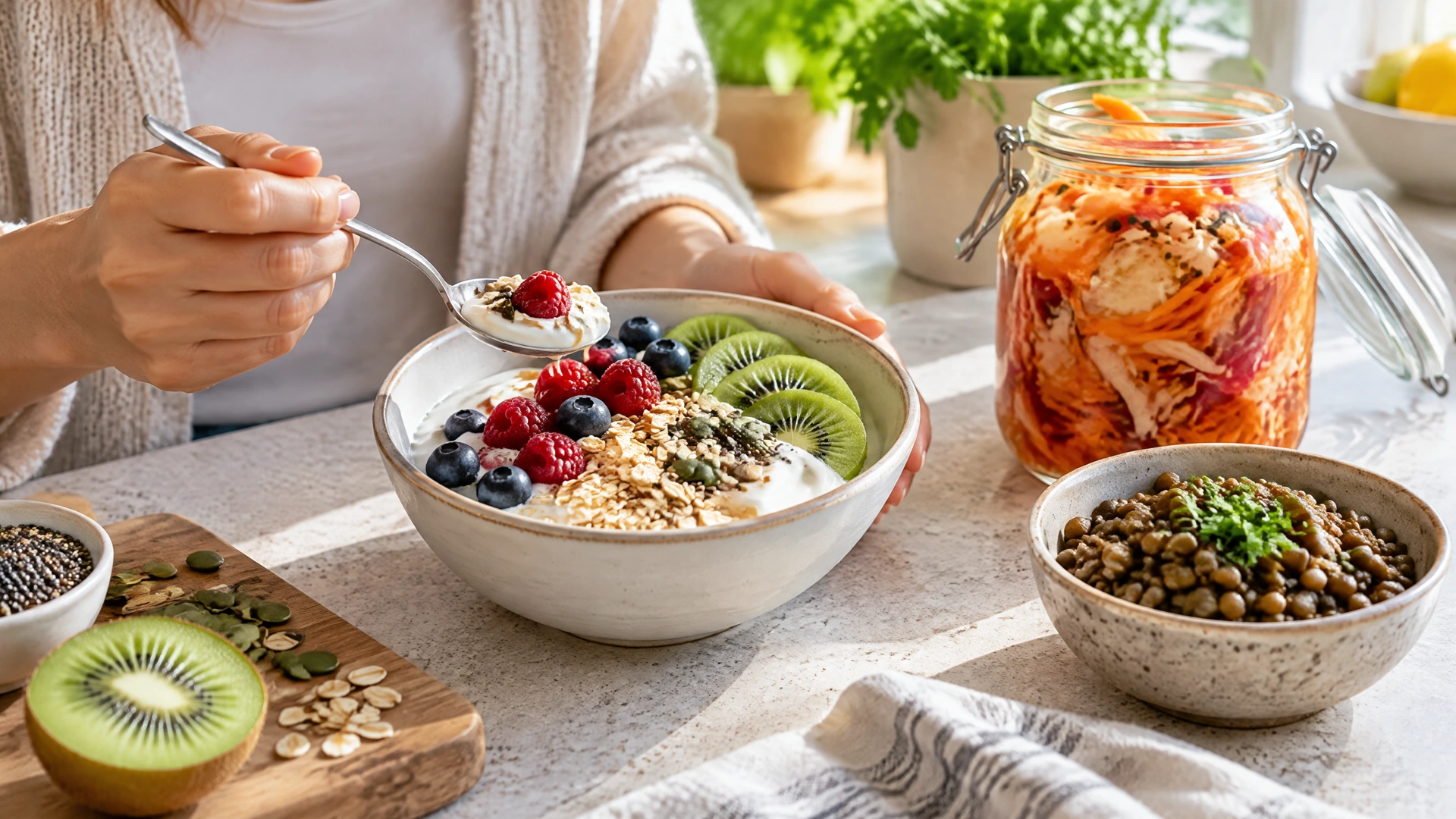
Oats with berries, seeds and natural yoghurt.
A lentil and vegetable soup with wholegrain bread.
Grilled chicken or beans with brown rice and roasted vegetables.
An apple with a small serving of nuts.
These meals combine fibre with protein, carbohydrates and other nutrients.
Some habits can make weight management more difficult.
Avoid relying on:
Unrealistic goals
Severe calorie restriction
Fad diets
Skipping meals unnecessarily
Frequent highly processed foods
Excessive sugary drinks
Too little sleep
Little physical activity
Instead, focus on sustainable healthy choices that fit your normal routine.
If you are considering a structured weight loss plan, particularly when you have existing health considerations, discussing your goals with a healthcare professional can be helpful.
A healthcare provider can consider factors such as:
Current weight
Body composition
Dietary habits
Physical activity
Lifestyle
Individual nutritional needs
Medical guidance may be particularly useful before making significant dietary changes or considering approaches such as weight loss surgery.
Adding more fibre can be a practical part of working towards realistic weight loss goals. Fibre-rich foods such as vegetables, fruits, beans, lentils and whole grains can contribute to satisfying, nutrient-dense meals while fitting naturally into a balanced diet.
Current research suggests that successful weight loss is more likely to be supported by sustainable lifestyle changes than by extreme restrictions. Combining appropriate food choices with regular physical activity, enough sleep, stress management and realistic goals creates a more balanced approach.
Rather than asking only how much weight you should lose, consider which habits you can consistently maintain. Adding vegetables, choosing whole grains, preparing healthier snacks and staying active are small steps that can support your weight loss journey and contribute to better general health over time.
This article is provided for general educational and informational purposes only. It does not replace personalised advice from a qualified healthcare professional. Individual nutritional needs, activity requirements and appropriate weight-management goals vary. If you are considering a structured weight loss programme or significant lifestyle changes, seek appropriate professional guidance.

Join The Hub community. Subscribe today and receive a monthly email with our newest blogs and articles on health, wellness, and nutrition to keep you informed and inspired.
By signing up you agree to our User Agreement and Privacy Policy & Cookie Statement


Newsletter
By signing up you agree to our User Agreement and Privacy Policy & Cookie Statement
By accessing, browsing, or using this website (the “www.newimage.world/thehub”), you acknowledge and agree to the terms of this Disclaimer. The Website, including its blogs, podcasts, videos, and any other content (collectively, the “Content”), is operated by New Image™ International (“the Company,” “we,” “our,” or “us”).
All Content made available on this Website is provided strictly for general informational and educational purposes only. The Content does not constitute, and should not be relied upon as, medical advice, diagnosis, treatment, prescription, or professional health consultation of any kind.
The Company makes no representations or warranties regarding the accuracy, completeness, reliability, or timeliness of the Content. The Content may include information collected from external or third-party sources, and we do not independently verify such information. Accordingly, no nutritional, health, or wellness claims are endorsed, warranted, or guaranteed by the Company.
To the fullest extent permitted by applicable law:
Your use of the Website does not establish any doctor–patient, nutritionist–client, or other professional relationship between you and the Company or any of its representatives.
The Website may include references, links, or access to third-party websites, podcasts, or resources. The Company does not control, endorse, or assume any responsibility for such third-party content and shall not be held liable for any damages arising from your use of or reliance on it.
By clicking “Accept” on the Website’s pop-up disclaimer, you expressly acknowledge that you have read, understood, and agreed to be bound by this Disclaimer. Your continued use of the Website constitutes ongoing acceptance of these terms. If you no longer agree with this Disclaimer, you must immediately discontinue use of the Website.
Join The Hub community. Subscribe today and receive a monthly email with our newest blogs and articles on health, wellness, and nutrition to keep you informed and inspired.
By signing up you agree to our User Agreement and Privacy Policy & Cookie Statement














.webp)
.webp)