Modern wellness routines are increasingly moving towards simple, sustainable habits that support different aspects of everyday life. Rather than focusing on one area alone, people are paying attention to physical health, mental health, nutrition, movement, sleep, stress management and social connections as interconnected parts of overall wellbeing.
Within this broader approach, interest in nutrition and functional foods has also grown. Colostem is becoming part of some wellness routines as people explore nutritional options that may complement a balanced lifestyle. However, it is important to view any nutritional product as one element of a wider routine rather than as a replacement for nutritious food, regular exercise, adequate sleep or healthy social interactions.
The modern approach to wellness is less about constant optimisation and more about creating realistic habits that fit into everyday life. A routine that can be followed consistently may be more practical than one filled with complicated targets.
Modern wellness routines bring together several everyday practices that support overall wellness and personal well being.
These may include:
Nutritious meals
Regular physical activity
Consistent sleep
Hydration
Stress management
Mindfulness practices
Social connections
Time outdoors
Personal reflection
Appropriate nutritional support
Current research suggests that effective wellness relies on consistent and sustainable behaviours rather than constant optimisation.
This means a wellness routine does not need to occupy hours each day. Simple actions, such as taking a few minutes for breathing exercises, walking outdoors, preparing a balanced meal or writing in a gratitude journal, can become an integral part of daily life.
The modern wellness movement reflects changing attitudes towards health and lifestyle. The global wellness market is estimated at around $2 trillion, while younger generations are increasingly open to diverse wellness options.
Research also suggests that around 56% of Gen Z consumers identify fitness as a core aspect of their identity, while nearly half of consumers purchase functional nutrition products.
These trends show that wellness is no longer limited to traditional exercise. People are exploring nutrition, mindfulness, fitness classes, wellness travel, outdoor activities and other approaches that fit their individual preferences.
Wellness travel is also growing as consumers seek immersive experiences that combine relaxation, physical activity, food and personal reflection.
Despite this variety, the underlying principle remains simple: wellness should support everyday life rather than make it more complicated.
A holistic approach recognises that mental, physical, emotional and social wellbeing can influence one another.
For example, poor sleep quality may affect energy levels during the day. A stressful schedule may make it harder to prepare nutritious meals. Limited physical activity may influence mood and energy. At the same time, strong social connections can provide emotional support.
This is why modern wellness routines increasingly combine:
Physical well being
Mental well being
Emotional health
Social wellness
Nutrition
Sleep
Relaxation
Movement
A routine should therefore be personalised around real lifestyle needs rather than copied from someone else.
Nutrition remains an essential part of overall health.
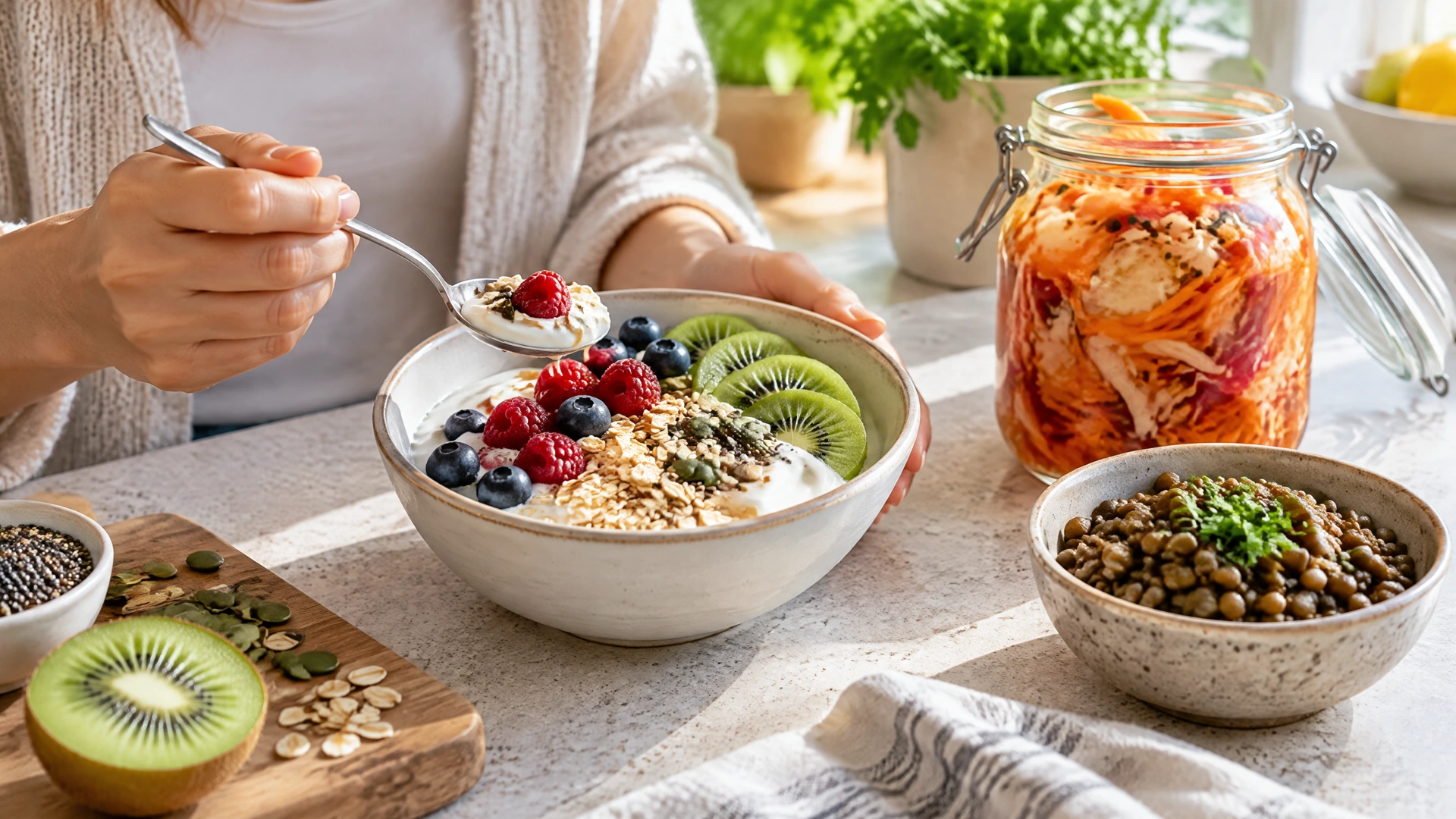
A balanced diet should generally provide a variety of foods containing protein, carbohydrates, healthy fats, vitamins, minerals and fibre.
Nutritious eating can focus on minimally processed foods such as:
Vegetables
Fruits
Whole grains
Beans and lentils
Eggs
Fish
Nuts and seeds
Healthy fats
Protein-rich foods
Complex carbohydrates provide an important source of energy, while protein contributes to normal tissue maintenance. Healthy fats also provide essential fatty acids and help make meals satisfying.
A balanced diet can therefore support daily energy levels, concentration and general wellbeing.
Functional foods and nutritional products have become increasingly popular within modern wellness routines. These products are often chosen because they contain nutrients or naturally occurring compounds beyond basic calorie content.
Examples may include foods containing:
Protein
Fibre
Omega-3 fatty acids
Vitamins
Minerals
Naturally occurring bioactive compounds
Colostem may be included within this broader conversation around functional nutrition, particularly by people interested in adding nutritional variety to their routines.
However, functional nutrition should remain part of a balanced approach. It should not replace a varied diet or be presented as a guaranteed solution for specific health concerns.
For people considering Colostem as part of their routine, consistency and context are important.
A practical wellness routine could include:
Start the day with water to rehydrate after sleep. A short morning walk can provide gentle physical activity while exposure to natural light may help establish a regular day/night rhythm.
Breakfast can include protein, complex carbohydrates, fruit or vegetables and healthy fats.
Regular movement can be incorporated into work and daily activities. Walking meetings, short movement breaks and outdoor time can help break up prolonged sitting.
A quieter evening routine can include relaxation techniques, mindful practices, reading, journalling or breathing exercises.
Turning off screens around 30 to 60 minutes before bedtime may support sleep quality by reducing exposure to blue light and creating a clearer transition towards sleep.
Colostem, where used, can therefore sit within a broader routine rather than becoming the entire focus of wellness.
Regular exercise is an integral part of modern wellness.
General activity guidance commonly encourages adults to accumulate around 150 to 300 minutes of moderate aerobic activity each week, alongside muscle-strengthening activities.
This does not necessarily mean spending hours in a gym.
Practical options include:
Daily walking
Cycling
Swimming
Dancing
Fitness classes
Resistance exercises
Recreational sports
A simple routine could involve walking daily and strength training twice a week, adjusted according to individual ability and preferences.
Regular physical activity supports cardiovascular health, muscle function, energy and mood while contributing to overall physical well being.
Modern lifestyles often involve long periods of sitting.
Breaking up sitting with movement is therefore an important wellness habit.
Simple options include:
Walking during phone calls
Taking short movement breaks
Using stairs where practical
Walking meetings
Stretching between tasks
Spending time outdoors
These small actions can be easier to maintain than relying exclusively on longer exercise sessions.
A few minutes of movement throughout a busy day can help integrate physical activity into normal daily life.
Mental health and mental well being are important parts of a balanced wellness routine.
Mindfulness does not necessarily require a long meditation session. Integrating 2 to 5 minutes of mindfulness into the day may provide a simple opportunity to pause, focus and reset.
Useful mindfulness practices include:
Breathing exercises
Quiet reflection
Body awareness
Guided meditation
Gratitude practice
Mindful eating
Some research suggests that around ten minutes of daily meditation may support stress management, although individual experiences vary.
Mindfulness practices may also support mental clarity and help people create a clearer separation between work and personal time.
Modern schedules can involve work demands, family responsibilities, digital communication and constant notifications.
Learning to manage stress can therefore become an important part of sustainable wellness.
Useful stress management techniques include:
Breathing exercises
Walking outdoors
Mindfulness
Meditation
Quiet reflection
Journalling
Relaxation techniques
Spending time in nature
Current research suggests that spending time in nature may support mood and reduce feelings of stress.
A wellness routine does not need to eliminate every source of stress. Instead, it can create regular opportunities for recovery and relaxation.
Digital devices are an important part of modern life, but excessive screen exposure can make it harder to create boundaries between work, entertainment and rest.
Setting boundaries around screen time can preserve energy for personal growth, social interaction, exercise and relaxation.
A digital detox day or shorter periods without unnecessary notifications may provide opportunities for:
Reading
Walking
Conversation
Hobbies
Mindfulness
Outdoor activities
Quiet reflection
Reducing screen exposure in the evening can also complement a consistent sleep routine.
Quality sleep is foundational to overall wellbeing.
Maintaining a consistent sleep schedule helps support the body's natural sleep cycle and daily rhythm. Adults have different sleep requirements, but maintaining regular sleep and wake times is generally considered an important healthy habit.
Practical strategies include:
Going to bed at a consistent time
Reducing blue light exposure before bed
Turning off screens 30–60 minutes before bedtime
Keeping the bedroom comfortable
Avoiding unnecessary late-night stimulation
Practising relaxation techniques
Writing down thoughts before bed may also help create mental space and reduce late-night rumination.
Good sleep supports energy, mood, cognitive function and general wellbeing.
A structured morning routine can influence how the rest of the day feels.
Simple habits can include:
Drinking water after waking.
Spending time in natural sunlight.
Taking a short morning walk.
Eating a nutritious breakfast.
Including protein in the first meal.
Taking a few minutes for mindfulness.
Starting the day with water helps rehydrate after sleep. Natural sunlight can support the body's day/night rhythm and contribute to alertness.
A morning walk may also provide a combination of physical activity, outdoor exposure and quiet time before a busy day begins.
Mindful eating encourages people to pay attention to meals rather than eating automatically while distracted.
This may involve:
Eating slowly
Noticing hunger and fullness
Paying attention to flavours and textures
Limiting distractions during meals
Choosing foods based on nutritional needs
A balanced meal might include vegetables, a protein source, complex carbohydrates and healthy fats.
For example, a meal could combine grilled fish, vegetables, whole grains and olive oil. Another could include beans, vegetables, whole grains and seeds.
Nutrition is central to sustaining energy levels throughout everyday life, making food choices an important part of any modern wellness routine.
Wellness is not only individual.
Social connections can provide emotional support and contribute to a sense of belonging. Maintaining relationships with friends, family members, colleagues and community groups can form an important part of social wellness.
Practical ideas include:
Regular meals with friends
Group exercise
Fitness classes
Community activities
Volunteering
Walking with friends
Regular phone calls
Group yoga sessions, for example, can create opportunities for movement and social interaction. Community volunteering days may strengthen team bonds and morale.
Current research suggests that meaningful social connections are associated with emotional wellbeing and longevity.
Wellness routines can also be integrated into professional environments.
Simple workplace practices include:
Walking meetings
Hydration challenges
Short mindfulness sessions
Movement breaks
Outdoor meetings
Regular employee check-ins
Community volunteering
Mindfulness sessions may help employees manage workplace stress, while regular check-ins can provide opportunities to discuss wellbeing.
Walking meetings combine productivity with physical activity and can offer a change of environment during a busy day.
These practices work best when they are realistic, voluntary and sustainable.
Effective wellness routines should be sustainable.
Trying to introduce ten new habits at once can make a routine difficult to maintain. Instead, choose one or two simple habits and build gradually.
For example:
Week 1: Drink water after waking.
Week 2: Add a 10-minute morning walk.
Week 3: Introduce two short strength sessions.
Week 4: Add five minutes of mindfulness.
This gradual approach gives each new habit time to become part of everyday life.
Personalised plans can also account for work schedules, family commitments, fitness levels and personal preferences.
There is no single routine that works for everyone.
Some people enjoy fitness classes, while others prefer walking. Some people find meditation useful, while others prefer quiet reflection or time in nature.
A personalised approach can consider:
Available time
Energy levels
Fitness
Food preferences
Sleep schedule
Social needs
Stress levels
Personal wellbeing goals
The goal is not perfection. The goal is creating a routine that can realistically become part of daily life.
As interest in functional nutrition grows, products such as Colostem may become part of some people's modern wellness routines.
The important consideration is context.
Colostem should not be viewed as a substitute for:
Nutritious meals
Regular exercise
Adequate sleep
Hydration
Stress management
Social connections
Mindfulness
Professional guidance where appropriate
Instead, if someone chooses to include it, it can be considered alongside other nutritional and lifestyle practices.
The broader modern wellness approach focuses on sustainable habits rather than relying on one product or activity to address every aspect of wellbeing.
Even positive habits can become unhelpful when they become overly complicated.
Common mistakes include:
Wellness should not become another source of pressure. Sustainable practices are usually easier to maintain than constantly changing routines.
Exercise and nutrition cannot fully replace adequate sleep. Maintaining a consistent sleep schedule should remain a priority.
A wellness routine should support mental health, emotional health and social wellbeing alongside physical health.
Starting with a few realistic habits can make a routine easier to maintain.
Setting boundaries around digital activity can preserve time for movement, relationships and personal reflection.
A practical routine could look like this:
Morning
Water after waking
Natural sunlight
Short walk
Nutritious breakfast
Two to five minutes of mindfulness
Daytime
Balanced meals
Regular hydration
Movement breaks
Outdoor time
Social interaction
Evening
Light physical activity where appropriate
Relaxation techniques
Gratitude journal
Reduced screen exposure
Consistent bedtime
This structure can be adapted around individual schedules.
Modern wellness is increasingly centred on sustainable, realistic behaviours.
The most important principles include:
Build a routine around overall wellness, not constant optimisation.
Combine physical activity, nutrition, sleep, stress management and social connection.
Aim for approximately 150–300 minutes of moderate aerobic activity each week alongside muscle-strengthening activities.
Walk regularly and include strength-based exercise.
Prioritise a balanced diet containing minimally processed foods.
Include protein, complex carbohydrates and healthy fats in balanced meals.
Drink water consistently.
Use mindfulness practices for short periods during busy days.
Protect sleep quality with a consistent sleep cycle.
Limit unnecessary screen exposure.
Spend time outdoors and in natural light.
Maintain meaningful social connections.
Introduce new habits gradually.
Consider functional nutrition products, including Colostem, as part of a broader lifestyle rather than as a standalone solution.
Modern wellness routines are becoming more personalised, practical and focused on sustainable habits. The modern approach recognises that physical health, mental health, emotional wellbeing, nutrition, sleep and social connections are interconnected.
Adding a few simple practices to everyday life—such as walking, strength training, mindfulness, nutritious eating, hydration, outdoor time and consistent sleep—can create a balanced routine without making wellness feel overwhelming.
Colostem may be included within this wider interest in functional nutrition, but it should remain one element of a broader approach to wellbeing. A nutritious diet, regular exercise, effective stress management, good sleep and meaningful social connections remain important foundations.
Ultimately, successful wellness is not about achieving a perfect routine. It is about creating sustainable behaviours that fit your daily life, support your energy and mood, and contribute to overall wellbeing over time.
This article is provided for general educational and informational purposes only. It does not replace personalised advice from a qualified healthcare or nutrition professional. Individual nutritional and lifestyle needs vary, and any dietary or wellness changes should be considered in the context of personal circumstances. Colostem and other nutritional products should not be considered substitutes for a balanced diet, regular physical activity, adequate sleep or appropriate professional guidance.

Join The Hub community. Subscribe today and receive a monthly email with our newest blogs and articles on health, wellness, and nutrition to keep you informed and inspired.
By signing up you agree to our User Agreement and Privacy Policy & Cookie Statement


Newsletter
By signing up you agree to our User Agreement and Privacy Policy & Cookie Statement
By accessing, browsing, or using this website (the “www.newimage.world/thehub”), you acknowledge and agree to the terms of this Disclaimer. The Website, including its blogs, podcasts, videos, and any other content (collectively, the “Content”), is operated by New Image™ International (“the Company,” “we,” “our,” or “us”).
All Content made available on this Website is provided strictly for general informational and educational purposes only. The Content does not constitute, and should not be relied upon as, medical advice, diagnosis, treatment, prescription, or professional health consultation of any kind.
The Company makes no representations or warranties regarding the accuracy, completeness, reliability, or timeliness of the Content. The Content may include information collected from external or third-party sources, and we do not independently verify such information. Accordingly, no nutritional, health, or wellness claims are endorsed, warranted, or guaranteed by the Company.
To the fullest extent permitted by applicable law:
Your use of the Website does not establish any doctor–patient, nutritionist–client, or other professional relationship between you and the Company or any of its representatives.
The Website may include references, links, or access to third-party websites, podcasts, or resources. The Company does not control, endorse, or assume any responsibility for such third-party content and shall not be held liable for any damages arising from your use of or reliance on it.
By clicking “Accept” on the Website’s pop-up disclaimer, you expressly acknowledge that you have read, understood, and agreed to be bound by this Disclaimer. Your continued use of the Website constitutes ongoing acceptance of these terms. If you no longer agree with this Disclaimer, you must immediately discontinue use of the Website.
Join The Hub community. Subscribe today and receive a monthly email with our newest blogs and articles on health, wellness, and nutrition to keep you informed and inspired.
By signing up you agree to our User Agreement and Privacy Policy & Cookie Statement














.webp)
.webp)